Disaster Rally

  • Natural Disasters
    • Earthquakes
    • Hurricanes
    • Tornadoes
    • Fires
    • Floods
    • Tsunamis
    • Other
  • Man-Made Disasters
    • Nuclear
    • Pollution
    • War
    • Other
  • Prepare
    • Plan
    • Supplies
  • Disaster Resources
    • Agencies
    • Aid
    • Medical
    • Rescue
    • How To Help
    • People in need
  • Contact
  • About Us: Disasterrally

Top 5 Disaster Recovery Companies and Their Services

You may have heard of disaster recovery companies quite often lately, but you may be unsure of what they actually do. Many people even confuse disaster recovery with disaster relief (organizations helping communities recover from disasters, like the Red Cross and so on). While the disaster relief is a term which refers to these humanitarian organizations and their activity, disaster recovery is mainly referring to helping businesses get back on their feet after major disruptive events.
Disaster Recovery Companies

As the world of business has become more and more reliant on information technology (IT), companies have also started to realize how much more vulnerable they became to disasters. These disasters can mean everything from natural disasters (earthquakes, tornados, really bad storms, floods, etc.) to mad-engineered disasters (like a cyber-attack or bombings in the local area). If company records and day to day operations are more and more reliant on the company’s computers, then the occurrence of any disaster can affect the business so much that it may even not recover afterward.

What Does Disaster Recovery Mean?

Disaster recovery is a service that started to be offered by specialized companies in the 70s, becoming more popular by the beginning of the 80s. Disaster recovery companies offer services that help other companies become better protected against the major strains which comes with disastrous events. The more general field of activity for helping businesses recover after such events is actually named business continuation services, and out of these, disaster recovery services are only a smaller part. Business continuation refers to the preservation and recovery of all aspects a business requires (including the actual work environment, physical materials and so on), while disaster recovery refers first and foremost to the more volatile parts (IT data, programs, know-how, sensitive data, etc.)
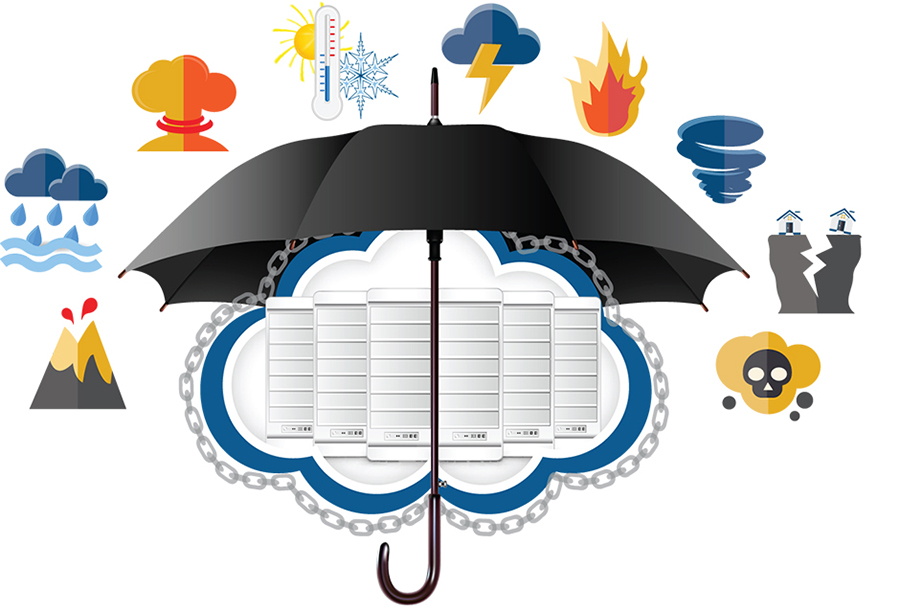
Disaster Recovery Companies

That means that disaster recovery companies are specialized in helping you pick up your business activity as soon as possible after a bad event. After all, you need to keep making money as much as possible though a time so trying (and financially trying as well). Usually, the best disaster recovery companies offer all of these:

  • Cloud storage for all your business data, including procedures and company records, and organized through different access levels for the top members of your management hierarchy etc.;
  • A team of special intervention experts that can show you how to pick up your activity as soon as possible, council you through this difficult time and diagnose the potential security breach (if any);
  • The temporary use of office space for a few members of your team, so that the business activity can be picked up right away, at least partially (presuming that your former headquarters can’t be used at the time);
  • All disaster recovery companies will also help you formulate a disaster recovery plan (and checklist) to initiate in case anything goes wrong, as well as counselling through every step of the plan, should it come to that necessity.

The Top 5 Disaster Recovery Companies

Now that we understand better what disaster recovery companies do, at least along general lines, we should also present you with just a few suggestions of companies to look into.

Disaster Recovery Companies

1. Acronis Disaster Recovery

The disaster recovery service from Acronis Backup is a super-specialized cloud storage service specially designed for companies, allowing them to be able to resume activity. You may be already familiar with their widely known online backup service, so you can definitely trust their expertise with disaster recovery as well.

2. Sungard Disaster Recovery

The complete name of this disaster recovery service pack from Sungard is RAAS, standing for Recovery-as-a-Service Solutions, and it’s one of the most popular service packs for big and small businesses alike. The main and declared purpose of Sungard is to strengthen your business’s resilience before the dreaded disastrous event even occurs, so that you will be best prepared and ready. This accent on preparedness and training is one of the best features of this company’s services, since most disaster recovery companies usually settle for only basic cloud storage.

3. Rackspace Disaster Recovery

Another great service you may have already heard of is Rackspace, a well-known company in the field of cloud storage and online backup. Their special pack of disaster recovery services would put many competing services to shame.

4. Quorum IT Solutions

One of the leading disaster recovery companies, the Quorum pack of solutions for business continuation is a highly advanced IT service you could really feel safe with. They use hybrid cloud technology, an appliance that allows the immediate resuming of your activity, continuous synchronization with your cloud and many other impressive features.

5. Iron Mountain Disaster Recovery

Iron Mountain is an all-inclusive disaster recovery company that focuses on a thorough recovery of every aspect of your business. That means that unlike some other disaster recovery companies that mainly offer just cloud storage, this team will also help with on-site audits, inventories, evaluations, creating a personalized disaster recovery plan template, implementing it and so on. You can check out their services pack here.

How to Choose a Good Disaster Recovery Team

Disaster recovery companies that are first and foremost cloud storage companies are the most widely spread and used services in this niche. Their extensive experience with virtualization and cloud storage is obviously a big plus. On the other hand, they are somewhat limited by the fact that they only offer the virtual side of disaster recovery, without the other features we discussed above (some temporary office space etc.) For a more all-inclusive approach, maybe it’s best if you contact some business continuation companies too and see what they can offer. Of course, you can expect them to be slightly more expensive than plain disaster recovery companies, since their services are more varied, and many of them include expenses on their behalf. Still, if you’re still interested in such services, you could try to discuss the matter with your insurance company and see if you can work out some sort of financial arrangement. After all, signing on with a company that can help you recover faster and better after a disaster is in a way a form of insurance for the future.

If the main parts of your business activity take place online anyway, and you’re confident that disaster recovery companies are thus the better choice for you, then feel free to sign up for a solutions pack from any of them. You can choose between any of the top cloud storage and online backup companies that also offers a disaster recovery pack, as long as you make sure their overall reviews in the field are good. Also, as far as features go, maybe it’s wiser to go for some extra additions to your disaster recovery contract with them, even if it means paying a little more yearly. It’s better to be safe than sorry afterwards, and whatever can help your business kick back into money-making gear after an unfortunate event is obviously worth its pennies.

Image sources: 1, 2, 3.

Top Christian Disaster Relief Organizations Active in Emergency Response

Christian disaster relief organizations are actively involved in emergency relief efforts around the world. Some focus on fighting hunger and poverty while others provide emergency aid in the case of a natural disaster. Many organizations become active in emergency situations tackling different aspects of a crisis and helping with humanitarian aid. Whether it’s medical assistance, food products and water, clothing, toiletries, or bedding, Christian disaster relief organizations help supply victims of a disaster with essentials in the aftermath of the event.

Christian Disaster Relief Organizations

Some of these organizations are active in emergency response and will typically become involved in relief efforts immediately after a disaster takes place. The vital efforts that these organizations make help survivors navigate the difficult time following a disaster. Christian disaster relief organizations rely mostly on Christian charity donations to fund their relief efforts and to carry out their activities. Beyond donating money for these organizations, people can volunteer for different actions and help support the relief efforts that they provide.

Top Christian Disaster Relief Organizations

Members and volunteers of these disaster relief organizations work around the clock to gather funds, organize support actions, and gather and distribute emergency supplies. Some of the largest Christian disaster relief organizations working at the moment provide international aid and are prepared to become active in emergency situations world-wide. Here are the top Christian disaster relief organizations that are equipped to intervene and provide aid in the aftermath of a crisis, either in the U.S. or internationally.

Christian Disaster Relief Organizations

1. The Salvation Army

The Salvation Army is perhaps most commonly known for its members’ efforts to help Americans seeking basic necessities such as food, warmth, and shelter. The organization also has disaster relief teams that are permanently prepared to intervene when a community is at risk in the wake of a disaster or a civil disorder. The Salvation Army provides food and water, bedding, shelter, and other essentials to those in need.

This Christian humanitarian aid organization was established by William Booth, and it was originally named The Christian Mission. It became known as The Salvation Army back in 1878, and it has been working to help those in need since its inception. The organization’s disaster relief services adapt to the needs of each situation, but they are primarily focused on providing warm meals and cold drinks to survivors from Salvation Army mobile kitchens.

The organization is also equipped to open disaster relief shelters and provide warmth and shelter for people who have lost their homes and have nowhere to go. It also provides direct financial aid to those in need via a network of casework specialists. During the early stages of a disaster, the Salvation Army will focus, however, on the most pressing needs that survivors have and it will strive to provide food, water, clothing, medical care, and shelter.

As the Salvation Army is a Christian disaster relief organization, it has trained staff members that also provide emotional and spiritual support to survivors via its pastors and ministry. After meeting the survivors’ most urgent needs, the organization also deploys volunteers and members to help in cleaning and rebuilding projects when these are necessary.

Christian Disaster Relief Organizations

2. Samaritan’s Purse

A nondenominational evangelical Christian organization, Samaritan’s Purse provides worldwide physical and spiritual support to victims of natural disasters, war, disease, hunger, and poverty. The organization was founded by Franklin Graham back in 1970, and it has been working to provide aid for people that are suffering in the aftermath of natural disasters or war.

The organization’s name is derived from the biblical story of the Good Samaritan. The story describes how the Samaritan rescued a hurting man that had been ignored by other passers-by. The Samaritan’s Purse organization has international crisis response units as well as U.S. disaster relief teams that are constantly ready to intervene in the wake of a disaster.

Samaritan’s Purse has a network of warehouses strategically located around the world. The organization stores emergency supplies in these locations in order to be ready to act quickly and deploy Disaster Assistance Response Teams in case aid is needed. Samaritan’s Purse provides survivors with food kits that contain staple items such as cooking oil, beans, soy meal, rice, salt, and corn. The organization also sends water purification kits to areas where the local water supplies have been contaminated because of a disaster.

Other disaster relief efforts that the organization is focused on include the deployment of fully equipped mobile medical teams on site to help people that do not have access to medical care during a crisis. Samaritan’s Purse also provides survivors with blankets, tents, and heavy-duty plastic sheeting. In addition to these efforts, the organization sends supplies such as hygiene items, cooking utensils, and other essentials to affected areas.

3. Operation Blessing

Operation Blessing International Relief and Development Corporation (OBI) is a faith-based organization that provides relief to disaster survivors both in the United States and internationally. Its core programs are centered on disaster relief, hunger relief, medical aid, children and orphan care, as well as community development. The organization is currently providing strategic relief in 37 countries around the world and in the United States to alleviate the suffering caused by poverty, hunger, and natural disasters.

Businessman and philanthropist M. G. Robertson founded OBI back in 1978. The organization is currently governed by a national board of directors which includes its founder. The disaster relief efforts that the organization makes are centered on providing victims of natural disasters and refugees in life-threatening conflict with the essentials required in each case. OBI distributes food, safe water, medicine, and other supplies to victims world-wide. The organization also becomes involved in the long-term recovery efforts that survivors need, deploying teams to assist with debris clean-up and repairs.

4 .Catholic Charities USA

Catholic Charities USA is a social service network that expands nationwide. It provides aid and financial support to those in need regardless of their religious, economic, or social backgrounds. Catholic Charities was founded in 1910 under the name National Conference of Catholic Charities, and it has been hard at work ever since providing shelter, food, and relief.

CCUSA is one of the Christian disaster relief organizations in the U.S. that has member agencies who are prepared to provide both immediate and long-term relief when a disaster occurs. CCUSA can immediately deploy food, water, personal care supplies, and financial aid to survivors.

Image Sources: 1, 2, 3.

Top 10 Disaster Relief Organizations and How They Can Help

You may have heard of disaster relief organizations and disaster recovery before, but don’t really know what these terms refer to or how they are different. Our guide on disaster relief organizations will help you understand what they do better, and then proceed to present these top organization in detail and give you extra links and resources you may need. This way, you can find out more about how you can maybe become a volunteer within these organizations, or find out more about your options and how to call for emergency help whenever disaster strikes your community. First of all, let’s take a deeper look at what disaster relief is.

When disasters occur, either from natural causes (hurricanes, tornados, floods, and so on) or human-engineered ones (like terrorist attacks, disastrous cyber-attacks, etc.), specialized teams are ready to intervene and help people come back from these disruptions. There are two main sides to organized response to disastrous events: disaster relief and disaster recovery. Disaster relief refers mainly to interventions from authorities and humanitarian organizations, in order to help the people and communities get medical care, food and shelter, as well as return to their previous state as fast as possible.

Disaster Relief Organizations

What Does a Disaster Relief Organization Do?

Disaster relief work, also known as emergency management, refers to the work and interventions required to help communities recover from disasters. This type of activity requires two main lines of work:

  • Creating plans through which a community can reduce their vulnerability to disasters, plus making some prevention and preparedness work;
  • Intervening in communities hit by disaster and handing out disaster relief help according to the main priorities which occur, plus helping the community get back on its feet and preserving its livelihood post the unfortunate event.

A small part of emergency management work also targets the protection of businesses, although there are also disaster recovery companies which specialize in this, on a smaller scale. Emergency management services for businesses target especially those vital businesses that contribute to a country or area’s overall infrastructure, the kind of companies which, if they fail, could also negatively impact the life of the community. In this broad sense, some disaster relief organizations who deal with helping businesses get back on their feet include the UN (United Nations), the WB (World Bank) and even some governmental macro-organizations like the EU (European Union).

Up until that very high level, though, there is a myriad of small and medium level disaster relief organizations, some of them governmental and some of them non-governmental. In many of these, there are professionals working within them (usually at a management level), and there are also plenty of volunteer workers activating as well. A large part of sustenance for these organizations resides in donations from supporters, as well as this large chunk of volunteering work.

Disaster Relief Organizations

Top 10 Disaster Relief Organizations

Now that we covered a bit more about what disaster relief organizations are and the type of work they do, the best way to further this understanding is to present a few of the top organizations. Here are our top choices in this field and why.

1. FEMA’s Emergency Management Institute

The Emergency Management Institute from FEMA (the Federal Emergency Management Agency) is one of the most important institutions in the U.S., when it comes to disaster relief organizations. While FEMA itself is the agency that activates within disaster relief and organized well-coordinated and governmental backed actions, its institute is the one that trains the best experts and professionals in the field. Basically, most of the successful disaster relief organizations in the U.S. are probably being operated by professionals who have been trained at this institute. They are responsible for preparing the absolute pros for saving the day when things take a wrong turn; what could be more impressive than this? Therefore, FEMA’s Emergency Management Institute definitely deserves the first place in our top of disaster relief organizations.

2. The Red Cross

Everyone heard of the Red Cross, and few other disaster relief organizations are probably as widely spread across the world as the Red Cross is. The American Red Cross benefits from both governmental support and a wide presence of volunteers enrolled in its ranks. In addition to disaster relief work, the organization also handles other areas of activity like collecting and distributing blood from donors, educational programs to promote safety and preparedness, support and comfort for military members and their families, etc. international development and training programs for disaster relief work etc.

Considering the large size of the Red Cross, it’s worth noting that there are plenty of volunteering opportunities within it, as well as actual jobs for people who want to get involved with this line of work on the longer run. We will detail this matter more below, in the ‘How to Get Involved’ section.

3. The Salvation Army

The Salvation Army is one of the disaster relief organizations with a religious background, in this case, a Christian one. Originally founded in the United Kingdom, London, the Salvation Army is highly active in the United States as well, actually being one of the most responsive disaster relief organization in the country. Their fast response times are owed to their large number of members and volunteers, so mobilizing some people to assist with any emergency in almost any area of the country isn’t difficult at all.

4. The Southern Baptist Convention

Another one of the religiously-influenced disaster relief organizations active in the U.S., the Southern Baptist Convention is also distinguished by its large number of members and volunteers, and therefore high responsiveness. One of their special focus areas is the preparation and distribution of food to those in need, so if you do have a penchant for cooking and helping out, maybe check out how you can get involved. They have over 65,000 trained volunteers all over the country, and officially one of the largest disaster relief organizations in the U.S.

5. All Hands Volunteers

A relatively new disaster relief organization, at least when compared to those who can truly be considered historical (like the Red Cross), the All Hands Volunteers (usually known as Hands) surely deserves the 5th place if only for its enthusiasm and energy alone. Its official tagline is ‘Rebuilding Hope’ and considering their emphasis on helping communities not only recover from disasters but also grow stronger and more self-reliant. If that’s not enough to rekindle hope among those who just took a bad hit from events, we don’t know what is. The All Hands Volunteers organization has completed 62 large projects in its 10 years of activity, with the help of 32,000 volunteers for 94 countries.

Disaster Relief Organizations

6. The Lions Club International

The Lions Club is one of the largest humanitarian organizations in the world, with active fronts in multiple areas of community help. It’s not really one of the disaster relief organizations per se, for the simple reason that they activate in many other fields other than disaster relief. They also handle environmental programs, international health programs, children and youth programs, and international relations programs and so on. Their disaster relief organizations are mostly focused on natural disasters, and they are also distinguished for their Foundation which offers other disaster relief organizations grants and funds (over 50 million dollars granted so far).

7. Citizen Corps

The Citizen Corps organization is actually a national program developed by the Department of Homeland Security. It’s one of the disaster relief organizations that most emphasize the importance of citizen participation for preparedness and intervention in bad events. It handles intervention and disaster relief with major citizen volunteer participation, but it also runs plenty of training programs for preparedness, intervention frames and tools, survival and rebuilding etc.

8. UNICEF

You may know of UNICEF (the United Nations Children’s Emergency Fund) as mainly an international organizations that raises funds for kids and helps them, but you may have missed out on the ‘emergency’ part. That means that while many of the organization’s programs are indeed meant to tackle non-emergency issues like literacy of abuse prevention programs, study grants and so on, there is another large part of their activity that targets emergency management. In case of disaster strikes, UNICEF intervenes to help the kids but also the families and the communities of those kids, which makes UNICEF one of the leading international disaster relief organizations.

9. The American Radio Relay League

Among all disaster relief organizations active in the U.S., the ARRL is probably the most useful in case of major disasters. It employs radio operating volunteers that can help people not only ask for the assistance they need, but also to coordinate better for all sorts of community interventions. Considering that we live in a world more and more connected to emergencies and that radio broadcasts can be accessed on any type of device currently in use, from radios to smartphones and computers and even walkie-talkies.

10. The BGCO Disaster Relief

The BGC Oklahoma is one of the most nationally active Baptist disaster relief organizations. Whatever the most recent national emergency, the BGCO volunteers successfully handle the aftermath and get involved in order to restore people’s livelihoods to the state of before. The recent Louisiana floods, for example, have received the intervention of BGCO teams equipped for getting mud out of homes, as well as volunteers who handed out supplies and food to the affected communities.

Disaster Relief Organizations

How to Get Involved

If you’re tempted to lend your spare time and energy to a good cause every now and then, there are plenty of opportunities to do so. You can first do a search for disaster relief organizations in your local area if you want to bolster the emergency management responsiveness of your own community, or look up the big players in this field in order to contribute to something greater. Both approaches are fine and admirable: one makes your own community less reliant on outside help should anything go amiss, while the second one gives you the opportunity of really making an impact.

For the second path, there are lists of major disaster relief organizations who could use every volunteer help they can get. Feel free to browse through this list or this list and make your decision based on the types of causes or activities they support, as well as by the local area in which they mainly run their activities. Also, don’t forget to honestly think about your main skills and what you could truly help with best: perhaps you could make a better trainer than an actual doer, if you’re good at teaching but not in the best physical form, for example. Or the other way around, you’ll figure it out. If you need help with that, the counsellors from the disaster relief organizations you can contact will also be more than happy to describe in greater detail the type of skills they need.

Disaster Relief Organizations

How to Get Help

For the unfortunate situation in which you will be affected by a disaster event, you can get prepared to be able to cope a little better and recover more quickly. This is what you can do in order to be better equipped for facing a disastrous event, or in order to get help to come to you faster.

First of all, you can get trained in preparedness before anything bad happens. Most disaster relief organizations offer courses and seminars on preparedness, including anything from basic medical care from survival lessons. There are even government-backed preparedness lessons for children, too, so the earlier one starts, the better.

Second of all, you will of course still require help from the authorities and whatever disaster relief organizations can reach the area you are in. In order to get help, beyond calling 911, take a look at the governmental Disaster Assistance portal and see how you can apply for receiving humanitarian assistance. You will be surprised of how people can pull through and help people in need, as well as to teach them to help themselves. Good luck, and hopefully you will never really need this info, but it’s better to be safe than sorry.

Image sources: 1, 2, 3, 4, 5.

Disaster Recovery 101: How to Prepare and What to Expect

Disaster recovery is a concept that every business, organization or company should keep in mind at all times. We all hear about terms such as ‘backup’, ‘data protection’, ‘high availability’ or ‘cloud computing’, but what do they really refer to, in the big disaster recovery picture? Our Disaster Recovery 101: How to Prepare and What to Expect guide will walk you through every necessary step involved in the disaster recovery process. Not only will we provide a complete definition of what disaster recovery is, but we will also go through the importance of sticking to these plans through testing and training. We’ll go through what a disaster recovery plan sample or template should look like, as well as the ways in which you can save software, information and other essential IT aspects.

Disaster Recovery 101: How to prepare

Learn how to protect the critical technology and data that companies strive to build up in our full disaster recovery manual below.

Types of Disasters

Before we get into detail about disaster recovery examples, templates or practices, we need to cover potential scenarios. When referring to both businesses and communities, disasters can be identified in two main ways:

  • Natural disasters
    • Wildfires
    • Floods
    • Tornadoes
    • Earthquakes
    • Landslides
    • Hailstorms
    • Tsunamis
    • Avalanches etc.

Disaster Recovery and fire escape

  • Man-made disasters
    • Fires
    • Criminal actions
    • Terrorist attacks
    • Warfare
    • Industrial hazards
    • Rioting, stampedes
    • Radioactive materials
    • IT attacks

As you can see, the example list of disasters is extensive. However, we must be aware that any one of these disasters can take place at any time, even in the center of the largest company or city. Even though you can’t avoid a natural disaster altogether, you can take all the necessary precautions to reduce the damage and general impact of the disaster.

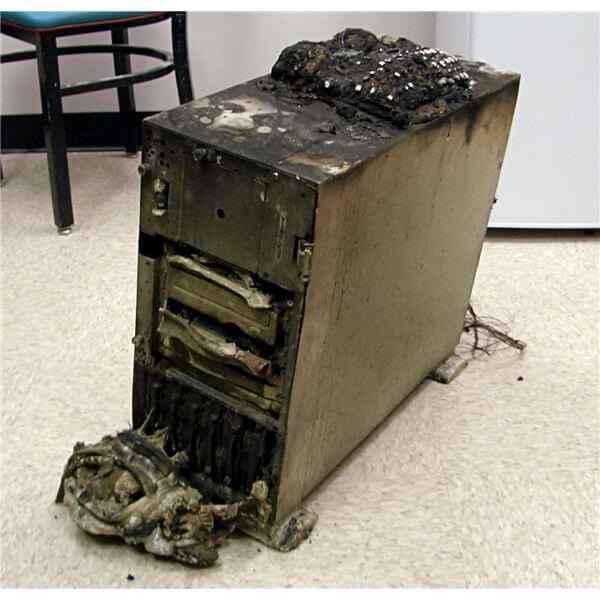
From a business point of view, these natural and man-made disasters can affect the entire evolution of a company. A server can be destroyed, an e-commerce site can be permanently shut down, and every last fundamental document in the office can be damaged beyond repair. A thriving business can die out even after a small incident if discover recovery planning wasn’t carried out beforehand. We can’t stress enough how significant disaster recovery preparation is for a company; this is why we’ll describe a few reasons why you should focus on it below.

Disaster Recovery and Burnt server

Why Focus on Disaster Recovery

Strategy is critical to any company, no matter its size or niche. Nowadays, almost all companies rely on computer technology for data management and business growth. As a result, a business strategy should always contain disaster recovery solutions and planning techniques to prepare for the worst. Unfortunately, quite a few businesses tend to overlook this aspect and end up with irreparable damage after a disaster like the ones we described above. Nevertheless, why is it so important for companies to focus on disaster recovery?

  • Save money – Multiple studies show that preparing for a disaster accordingly will help the company with the disaster recovery costs. Even though it might require an investment in advance, it will save a company much more in case a disaster takes place.
  • Save staff – More importantly than any form of software or business data are the lives that can be affected as a result of a disaster. If a company sets up reliable disaster recovery strategies, the risk of harming staff is considerably reduced.
  • Save the company – In the end, a disaster can lead to the complete termination of a company. No matter how successful the business is prior to the disaster, a lack of preparation will ultimately result in one less company on the market.

Disaster Recovery & Business Continuity

In business, the terms ‘disaster recovery’ and ‘business continuity’ generally go hand in hand. Even though the topics are often discussed separately or even as the same concept, disaster recovery is actually a part of business continuity. The former refers to protecting and managing data, systems and other information technology components, while the latter is about saving the entire company in case of a disaster. In a nutshell, a business continuity plan is basically not complete without disaster recovery options. In numerous cases, the terms are referred to side by side to highlight both the IT essentials of disaster recovery and the general procedure for keeping the company going.

As opposed to disaster recovery, business continuity contains multiple additional aspects, such as:

  • Policy and program
  • Business Continuity / Business Continuity Management plan & planning
  • Management
    • Audit
    • Document
    • Security
    • Change

In turn, business continuity is part of a greater topic, that of risk management. Risk management, on the other hand, falls under the main category of business administration. Even though the description for each of these concepts varies, they all come down to protecting a business in worst case scenarios. Even though disaster recovery may seem like just a tiny slice of the big pie, it is a vital aspect to a company’s well-being that should never be overlooked.

Disaster Recovery

Disaster Recovery Planning for Business

As we have explained, planning for disaster recovery is crucial for maintaining business continuity. The main aspect of disaster recovery planning is having a trustworthy disaster recovery plan put together. While the general plan will be created once, it is imperative that it receives regular updates as the business grows. For example, if a new division is set up, new jobs are created, or a new set of services is launched, the disaster recovery plan needs to be modified accordingly. Even though it may seem pretty simple at first, a disaster recovery strategy contains several factors that need to be considered before you begin the process.

Risk Assessment

To properly identify what your disaster recovery plan should aim for, you need to see what information systems need to be protected. To do so, a complex risk assessment is required. As a company owner or manager, you can reach out to RA service providers or a specialist from an independent institute for your risk assessment. The final report will contain the most important pieces of equipment and technology that need to be regarded for the disaster recovery plan.

RTO vs RPO

Two major terms that always come up when speaking about disaster recovery are RTO (Recovery Time Objectives) and RPO (Recovery Point Objectives). The difference between RTO and RPO is that one refers to the time of disaster recovery, while the other refers to the crucial data involved. To briefly explain, Recovery Time Objectives can appear as a number of hours in which your company can still continue without functioning systems. On the other hand, Recovery Point Objectives can be your company’s fundamental database, such as the time it can continue without a particular set of PDF files.

Prior to creating the best disaster recovery plan for your business, you will also have to outline your core strategies for such situations. Disaster recovery strategies should include answers to questions like:

  • What is the most significant data stored on my company’s servers?
  • Do we only use an internal network or do we depend on external services for our data?
  • How can we move our data to cloud computing services to prevent loss after a disaster?

Disaster Recovery Plan Tips

After consulting risk management specialists, doing an idea exchange with the key management professionals of your company and outlining the main strategies you are prepared to implement, it is your job to define, create and test your disaster recovery plan. You can find plenty of free templates online, but you should always know that a disaster recovery plan should be tailored to your company. There are quite a few factors that can affect a disaster recovery plan:

  • Data storage options
  • Data protection
  • Choice of software
  • Networking technology

When preparing to outline your disaster recovery plan, the following structure can be considered

  • Introduction or Policy Statement
  • Recovery Strategy, Responsibilities
  • Plan Development
  • Incident Response
  • Plan Testing
  • History of Documents
  • Maintenance
  • Inventories and Appendixes

Always make sure that you include a few essential elements about how your workforce can act in case of a disaster. For instance, how to get windows open, how to evacuate the office, how to get to the closest hospital etc.

Solutions for Disaster Recovery

As you can clearly see, preparation is key to any disaster recovery plan. In order to allow your business to continue living after a disaster, you can look into hi-tech solutions and be ready for any type of tragic scenario. As far as information technology is concerned, here are some of the best ways to protect your company’s vital data.

Disaster Recovery

Cloud Computing

There’s a lot of talk going around in recent years about cloud computing, but not everyone knows how it actually works. To put this in a nutshell too, cloud computing means managing data through internet servers instead of relying on a personal server or computer to store information. To help you get a better idea of it, a local server can crash and undergo irreparable damage at any time, while cloud computing solutions keep your data online.

Cyber Security

Preventing cyber attacks is just as important as protecting any of your company’s data through traditional methods. Hacking is becoming more and more of a common problem for small and large companies alike, and one of the only ways to prevent it is by developing a powerful cyber security system. You should always test an information protection system like this beforehand, to see if it can withstand cyber attacks.

How to Recover from Disasters: General Advice & Checklist

Even though disaster recovery refers to businesses that need IT and data protection, we also wanted to include a segment about how individuals can generally prepare and act during disasters. This information not only can be applied by employees of a company, but by anyone who is undergoing a similar situation.

  • Prepare – if you know that the area you live in is prone to certain natural disasters, make sure that you are always prepared accordingly. Stock up on food, water sources and other essential aspects that you will need in case of a disaster.
  • Stay safe – in case of natural disasters, staying safe is of the essence. Make sure that you take cover from windows and try to remain in a sheltered environment. If your home or the building you are in has a basement, seek refuge there.
  • Stay calm – it’s very easy for any situation to get out of hand if a natural disaster is involved. It’s super important that you stay calm at all times and go through the steps you had previously planned. Try to keep any panic at a minimum and act rationally.
  • Evacuation – if the disaster you are experiencing requires you to immediately evacuate the building, consult the evacuation plans you have and proceed with finding the closest exit.

Disaster Recovery

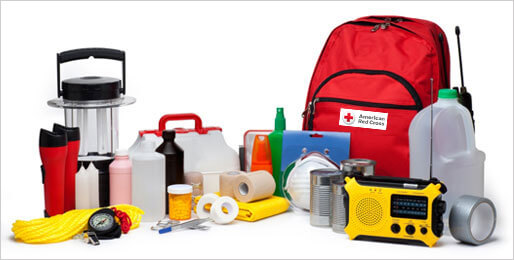
As far as checklists and supplies kits are concerned, you should have access to the following:

  • Food (preferably canned)
  • Water
  • First aid kit
  • Flashlight
  • Whistle
  • Emergency mobile phone

You can download the official Emergency Supplies List issued by the U.S. Department of Homeland Security here.

List of Organizations for Disaster Relief

There are multiple organizations that can aid individuals seeking disaster relief. First and foremost, Red Cross branches can be found all across the United States and are a primary source of help in disastrous situations. To find the closest Red Cross branch in your area, use their online chapter locator.

A complete list of disaster relief organizations includes solutions for:

  • medical attention
  • food and water
  • clothing
  • shelter
  • volunteers
  • bedding etc.

You can find links to disaster relief agencies all over the United States here.

Regardless if you’re preparing for a home or office disaster, it is without a doubt that you need to prepare. Make sure that you have a well-defined plan that is known by all individuals in the location and that you can get organized fast and safely. As for businesses and disaster recovery, investing time and resources into a solid plan can save the future of your company.

Image sources: 1, 2, 3, 4, 5, 6.

Disaster Management 101: Companies, Services and Prevention Tips

Disaster management and emergency preparedness are critical concepts that always need to be kept in mind, to say the least. Having an action and recovery plan can very well save numerous lives in the case of either manmade or natural disasters. We have all witnessed the effects that a crisis can have on a business, community or nation, either on TV or at the scene. While disaster management isn’t directly related to the risk reduction of such situations, learning how to prevent them is just as vital. But when you narrow it all down, what exactly does disaster management cover? Our Disaster Management 101 guide aims to shed light on the meaning of this notion, as well as tips, services, companies, career opportunities and organizations.

Disaster Management

Of course, our guide only serves as an introduction to disaster management. Those who are keen on the process should look into expanding their knowledge through an institute or by getting a master’s degree in the field. In this regard, we will also cover the basics of training for disaster management. Nevertheless, it is encouraged that all individuals have at least this fundamental information about disaster management, with project steps and thorough advice. Choose to be informed and gain basic knowledge of disaster management below.

Definition: What is Disaster Management?

A quick glance at Wikipedia or Google pictures will give you a pretty obvious idea of what disaster management is. To understand the big picture, it helps to break down the concept into two distinct segments: disasters and management. Disasters can be natural (landslides, floods, hurricanes, tornadoes, an earthquake or other situations related to the environment) or manmade (fires, war, terrorism, etc.) As a result, the ‘management’ part refers to handling situations like those mentioned above. The concept applies to both local and global levels, from small businesses to entire countries. As far as companies are concerned, it is estimated that around 60% in the United States currently do not have disaster management plans established.

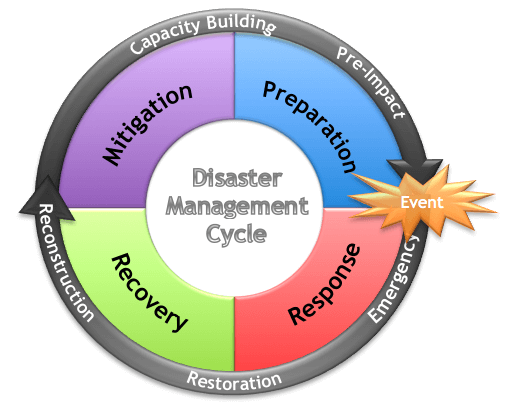
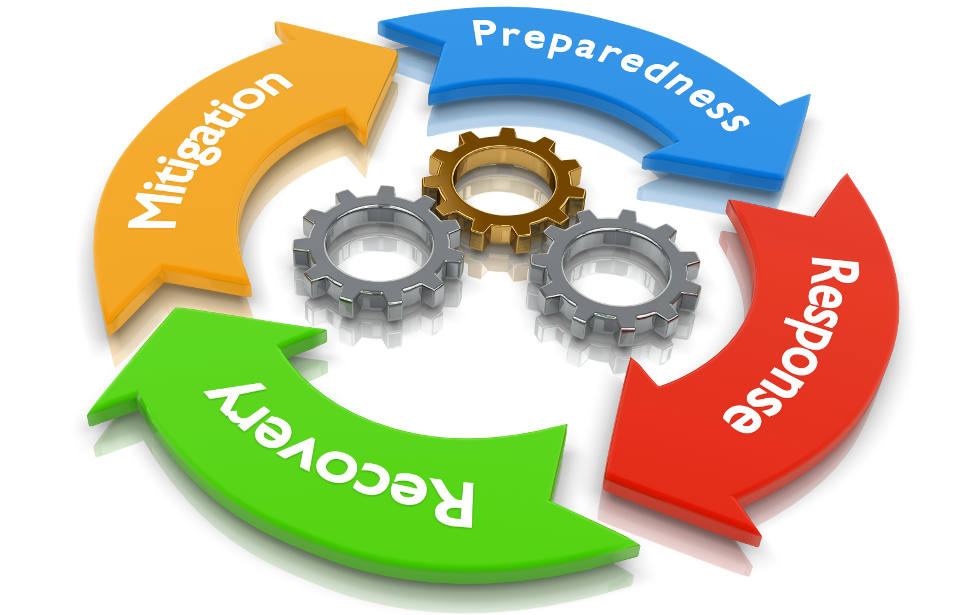
Disaster ManagementThere are several aspects to take into consideration when discussing disaster management, but the four main segments of the cycle are:

  • Mitigation
  • Preparation
  • Response
  • Recovery

This system is also key to the phases of disaster management, which we will speak more about in a dedicated section of our guide.

As you can see, it is essential to prepare for disasters and even take measures to prevent them. It is impossible to prevent all disasters, especially those that occur naturally, but we can prepare accordingly to minimize damage.

Prevention: How to Reduce the Risk of Disasters

When approaching disaster management, it is essential to regard preventative measures. There are plenty of online resources that can point you in the right direction, or you can even visit an information center to learn more. The Disaster Planning provided by UNESCO describes a few tips for preventing disasters:

  • Inspecting buildings
  • Establishing maintenance measures
  • Installing automatic fire and water detection systems
  • Taking precautions during key periods
  • Protecting data through secure power
  • Ensuring key information

On a global scale, governments have adopted a global plan for reducing the risk of natural disasters. The Hyogo Framework for Action spanned across 10 years and was adopted in 2005, at the Second World Conference on Disaster Reduction in Kobe. The HFA covers these 5 main priorities:

  • Prioritizing reduction of disaster risk
  • Early warning and upgrading information on risks
  • Creating resilience and safety culture
  • Key sector risk reduction
  • Reinforcing response preparedness

The Third UN World Conference on Disaster Risk Reduction took place in March 2015 and agreed on the Sendai Framework. The agreement covers 15 years and has similar priorities with the Hyogo Framework, with several additions:

  • Increasing investments in disaster risk reduction
  • Improving awareness and understanding of disaster risk

Phases of Disaster Management

When broadly speaking of disaster management, there are several core phases that have been identified. These phases can be applied to any level of disaster management, from homes, offices and neighborhoods to cities and even countries.

Disaster Management

Almost any agency, office, center or state authority has outlined their disaster management projects based on the following main phases.

1. Prevention or Mitigation

The first phase of disaster management is mitigation or prevention. Its main aim is to prevent disasters and emergencies or try to reduce their impact as much as possible. As a small example, purchasing insurance for a location is considered to be an action of prevention or mitigation.

2. Preparedness

As expected, preparedness refers to the steps taken to prepare for a disaster or emergency. This phase takes place before a disaster and goes hand in hand with mitigation. For instance, establishing a fire escape plan helps individuals be prepared.

3. Response

The response phase of disaster management represents taking the proper, safe measures when a disaster hits. With the resources and plans put together in the mitigation and preparedness phases, individuals should be able to act accordingly in case of an emergency. It is critical that the first two phases are well established, so the response takes place as quick as possible.

4. Recovery

As we can’t prevent all disasters, recovery is a necessary part of any disaster management plan. These include all stages of recovering from disasters, such as rebuilding and repairing damage.

Disaster Management Services

Services for disaster management can be provided either by private companies or international organizations, like the Red Cross. Disaster management services are strongly connected to the four phases of the main plan and should be treated hand in hand. A few examples of disaster management services and products are:

  • Rapid response kits for disasters
  • Disaster management plans
  • Response tools
  • Financial support for disasters
  • Recovery opportunities

Response kits and similar products can be purchased from a wide range of disaster management companies, as well as guidance for disaster management plans. Recovery options and financial support can be obtained from organizations. We’ll go through both of these categories below.

Examples of Disaster Management Companies

As far as disaster management companies are concerned, there are plenty of options for various areas. What is significant when looking into such companies is that you search for one near your building. For example, if you live in the UK, it will be unnecessary to consider companies or hospital options in the United States.

A few popular disaster management companies are:

  • Blake Emergency Services (UK)
    • Emergency planning
    • Security programs
    • Incident response
  • Pinkerton (International)
    • Natural disaster response
    • Recovery possibilities
    • Real-time alerting
  • Early Alert (International)
    • Real-time emergency management
    • Preparedness plan
    • Response and recovery plans

Disaster Management

However, a few companies have shined through the efforts put into rehabilitating communities after disasters. Even though these companies are not based on disaster management, they greatly contributed to the recovery phase for areas in need. On this note, the U.S. Chamber of Commerce Foundation organizes citizen awards for best community resilience and disaster response. Some of the finalists in recent years were:

  • Carlsbad Chamber of Commerce
  • Las Vegas Sands Corporation
  • UPS
  • Citi Foundation
  • Cornerstone OnDemand, Inc.
  • Farmers Group

Disaster Management Planning Tips

Even on an individual level, there are an abundance of steps that you can take for being prepared in case of disaster. These tips can greatly aid you in being prepared for the worst, no matter where you are.

Local Research

No matter how safe your neighborhood might be, there are always disaster risks that you should keep in mind. Do a bit of research in your area and see what the risks are. Is there a history of hurricanes in your city? Were there any tornadoes in recent years? Your preparations will also be based on the types of disasters that your area is prone to.

Stock Up on Supplies

We all know about safety kits and stocks of supplies for disasters, but how many of us really have them ready for any situation? Try to have a response kit and basic supplies nearby. They should already be put together, so you don’t rush around creating the kits when you need to respond to the disaster. A few items that should be among your supplies are:

  • Fresh water
  • Canned food
  • Flashlights
  • Batteries
  • Portable radio
  • First aid kit

The Federal Emergency Management Agency has prepared a full list of supplies for families, which can be accessed here.

Plan for Family & Pets

Not everybody will be able to escape a disaster as quick as you can. Infants, senior citizens, children and pets should all be considered when planning for a disaster. Find the best ways in which you can help them evacuate the building promptly.

Drill

If possible, try to go through your disaster management plan once or twice, with your co-workers or family. For instance, you can carry out a fire drill and see if all your evacuation options are valid and can work for everybody involved. If you spot any weaknesses, do your best to replace them with reliable options.

Courses & Training in Disaster Management

If you want to take disaster management to the next level and truly master it, you can consider training or other educational programs. If you’re on a tight schedule, you can always take an online course. One of the most well-known disaster management courses is the Online Certificate Course on Disaster Management provided by the International Federation of Red Cross and Red Crescent Societies. Those residing in the Netherlands can look into the Disaster Management Course at the Faculty of Geo-Information Science and Earth Observation at the University of Twente.

Disaster Management

Residents of the United Kingdom can benefit from the Risk, Crisis and Disaster Management Course at the University of Leicester. The Institute of International Humanitarian Affairs at Fordham University offers a Disaster Management Training Course. The Asian Disaster Preparedness Center has a thorough training schedule with frequent updates for those who live on this continent.

As you can see, the options for being informed and prepared are numerous. All you have to do is search for the programs and courses in your area and schedule your participation.

Disaster Management Jobs

The most sought-after job in this field of activity is Emergency Management Director. According to the Bureau of Labor Statistics, the median salary in 2014 for this position was $64,360 per year, with roughly $30.94 per hour. An Emergency Management Director requires +5 years of experience in a similar position and, at least, a Bachelor’s degree. As of 2014, there were 10,500 of these jobs in the United States, while the job outlook until 2024 is 6%. A few of the attributions are:

  • Leading disaster response and recovery
  • Maintaining communication with public authorities
  • Keeping in touch with government agencies and nonprofit organizations

Careerealism also points out the following positions related to disaster management:

  • Floodplain management specialist
  • Fire inspector and investigator
  • Technological hazards program specialist

For a more information on this topic, please consult the Emergency Management Job Market Data page provided by FEMA.

National and International Disaster Management Organizations

The good part about disaster management is that there are quite a few organizations (both national and international) that can lend a helping hand in case disaster strikes. Some of the most reputed international organizations are the:

  • International Emergency Management Society
  • International Red Cross and Red Crescent Movement
  • International Recovery Platform
  • International Association of Emergency Managers
  • United Nations
  • International Association for Preparedness and Response

Disaster Management

In the United States, some of the most prominent national disaster management organizations are:

  • Federal Emergency Management Agency (FEMA)
  • Citizen Corps
  • Salvation Army
  • Center for Excellence in Disaster Management and Humanitarian Assistance (COE)

A few other useful lists for disaster management organizations are provided by the World Confederation for Physical Therapy, the Global Corps and the National Association of Independent Schools. You can click on any one of the links provided in this section of our guide for more information about these organizations.

As a final note, please do your best to prepare for any disaster. They usually come when you expect it the least, and you should have everything put in place to keep yourself and your family safe.

Image sources: 1, 2, 3, 4, 5, 6.

  • « Previous Page
  • 1
  • …
  • 4
  • 5
  • 6

5 Safety Tips You Need To Know If You Live Near A Nuclear Power Plant

image source: pixabay.com When purchasing a home, there a lot of things to consider. What area of the United States do you want to live? Do you want to be in the country or in the city? Are you going to rent or own, and will it be an apartment or a house? If you […]

Tornado Warning VS Tornado Watch: What You Need To Know

When it comes to severe weather, nothing is as devastating as a tornado when you consider the inch to inch devastation. Tornados often possess stronger winds than hurricanes, and due to the cyclone shape of a tornado, it increases the damage potential. Tornados are also especially dangerous if you are in its path. A single […]

Long Term Water Storage: The Ultimate Guide

While you hope that a calamity like a water shortage or other emergency will never befall in your lifetime, it is always important to be prepared for the worst while hoping for the best. One of the most important aspects of emergency preparedness is ensuring you have a sufficient stockpile of water to get you […]

10 Best Filter Water Bottle Brands To Use During Emergencies

If there is one thing that all hikers and outdoor enthusiasts have in common, it’s that they all agree you should never blindly drink out of a natural water source. That’s because the unfiltered water, although fresh and natural, contains harmful bacteria and waterborne parasites that would likely go undetected by taste alone. With a […]

14 Deadliest Natural Disasters of All Time

What are the deadliest natural disasters of all time by death toll? Which type of deadliest natural disasters has the greatest death count? More importantly, what are some ways the population was affected by those disasters? Were there things that people did to worsen or better the effects of mother nature angrily smashing her surroundings? […]

4 Frostbite Symptoms And How To Treat Them

With the onset of winter comes the risk of getting frostbite. With all of the outdoor recreation that’s available to us in the winter, it is important to learn how to protect ourselves. Knowing the signs of frostbite in the early stages can help you to avoid permanent damage to your skin and underlying tissues. […]

Fire Escape Plan for Your Family: Our Complete Guide

No one ever thinks a tragedy will happen to them. We see events on the news all the time such as accidents, home invasions, and house fires. We rarely plan for these things because we never think that we will be in such a situation. If you do one thing this coming year, whether you have […]

10 Tips for Living Through Power Outages

Most of us don’t think of power outages until we’re searching for flashlights or candles in the dark. Some think the light on their cellphone will be good enough to make it through power outages. That might work if power outages happen only when your phone is already fully charged. But, what about being prepared […]

How To Tell If A Snake Is Poisonous: Your Ultimate Guide

image source: Pixabay Have you ever been startled by a snake in your yard? Snakes are among the most misunderstood and feared animals on the planet, mainly because of the poisonous and potentially deadly bite a snake can inflict on its target. The truth, however, is that most snakes in the United States are non-venomous and […]

Copyright © 2026 ·Outreach Pro · Genesis Framework by StudioPress · WordPress · Log in