Disaster Rally

  • Natural Disasters
    • Earthquakes
    • Hurricanes
    • Tornadoes
    • Fires
    • Floods
    • Tsunamis
    • Other
  • Man-Made Disasters
    • Nuclear
    • Pollution
    • War
    • Other
  • Prepare
    • Plan
    • Supplies
  • Disaster Resources
    • Agencies
    • Aid
    • Medical
    • Rescue
    • How To Help
    • People in need
  • Contact
  • About Us: Disasterrally

6 Tornado Warning Signs That May Save Your Life

Tornadoes can be irredeemably destructive to any location one strikes. This is why tornado warning signs are extremely important and can often make the difference between life and death. It’s not easy to pick up on the signs of an imminent tornado disaster looming in, but without attention, anyone can be mindful of them and pick some up.
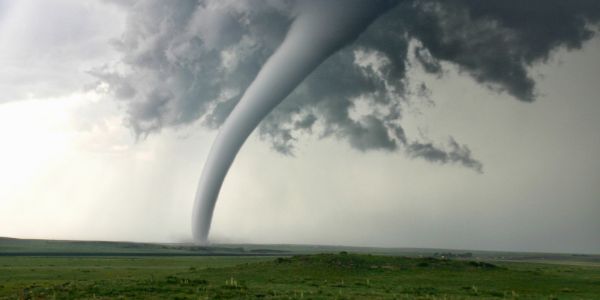
Picture Of Tornado

Source

Thus, for the sake of prevention, we’ve compiled a guide that rounds up the most crucial tornado warning signs you should look out for to avoid any grave life endangering moments.

#1 Listen To The TV

For some, this may sound like an obvious point. For others, this sounds like the beginning of a list of totally pointless tornado warning signs. However, it happens more frequently than you’d believe. Weathermen cast their warnings for approaching tornados and we turn off the TV, perhaps silently hoping that the whirlwind is going to completely circle around us. Couldn’t be more wrong.

Television tornado warnings are usually issued around 13 minutes before a tornado actually strikes a location. Obviously, being a natural disaster and all, it’s not exactly too mindful of hours and minutes, so it tends to hit a certain area significantly sooner. Don’t brush the weather reports off. If you hear a tornado is approaching, barricade yourself. And if it turns out it was a hoax, walk it off and be glad about it.

#2 Funnel-Shaped Cloud

Also from the “obvious tornado warning signs” category, we have the biggest visual cue of them all: the actual process of a tornado beginning to form. As this happens, a funnel-shaped cloud starts gradually approaching the ground. Pretty much all the time, the cloud that it’s formed from is dark and stormy, so you may also look for patches of really dark clouds in the sky.

There’s not really much to go by with this one since it’s as explicit as it gets. You see a funnel starting to swirl from a thunderstorm, you’ll probably need to get as far away from possible from that place. This becomes even more important the harsher the storm is since that intensifies the strength of the tornado too.

#3 Green Skies

If you’re out and about and you notice the sky suddenly turning a morose, dark shade of green then that might be one of the tornado warning signs we’re telling you about. Admittedly, a green sky doesn’t always equate “approaching tornado” but this is why you should always double-check. Whip out your local forecast for information on weather or any possible impending tornados. Also observe the development of the weather conditions. If it’s stormy and windy, it means bad news.

#4 Debris Cloud

You don’t always have the fortune (or misfortune, depending on circumstances) of being around to watch a tornado start to unfold. The best way to tell that a tornado that’s already wreaking havoc in its path is approaching is by keeping an eye out for debris clouds.

Debris clouds are noticeable from afar and they will always mark the fact that there is an upcoming danger closing in on your location.

#5 Calmness After The Storm

This might be a bit of a strange one and sort of add to the confusing delicacy of tornado warning signs. After a mighty storm, you may notice the fact that the atmosphere is oozing of a bizarre (even slightly unsettling) silence. Moreover, the skies may be clear as a blue diamond, but, paradoxically, this might indicate the fact that a tornado might soon start to form.

It’s not exactly easy to interpret this sign, but if you feel like everything around you is too still and calm after a storm, you might need to watch the skies and forecasts.

#6 Strong Noises

Once a tornado has already shaped up, it’s next immediate step is to move across the area and to cause preposterous amounts of damage in its path. As it approaches a zone, a tornado tends to release a series of thundering noises, which even resemble roars, that shake the skies.

Children in particular fear this “tornado roar” the same way they fear the sound of thunders during storm. If a big tornado is closing in, you can hear the sound from a mile away. Also, we can hear a noise caused by the various picked up objects as they crash and hit against each other.

Tornado Safety Measures

You’ve managed to read the tornado warning signs and now it’s time for you to prepare for the imminence of it striking the area you’re at. It’s important to take a look around yourself and consider the location you’re at since it opens different kinds of doors and possibilities.

At Home (With Basement)

If you’re at home when a tornado strikes and your house is equipped with a basement, that’s where you should immediately run off to. Barricade yourself in, but make a mental note of where all the heavy objects are located upstairs. In the eventuality of really strong winds, the floor may collapse and you might risk getting crushed under the weight.

At Home (No Basement)

For homes with no basements, the number one tip we can give you is to avoid windows at all costs. Go to the lowest floor in your house and locate a chamber with no windows such as a hallway. Crouch as close to the floor as possible while making sure to protect your head.

Out In The Open

Having to face a tornado in an open field is a terrifying thought, but don’t lose your rationality. If it’s possible, seek out a close by building (it’s the best if it’s a relatively sturdy one) and take shelter there. Should there be no buildings around you, lay flat down on your stomach and protect your head. Stay away from cars and trees.

Public Area

If you’re at school, follow the protocol procedures and go along with what the supervisors are telling you. For those that are at work, go to the center of the building, find a windowless spot, and engage in the crouched position while protecting your head. In the eventuality of a tornado hit while you’re out on a shopping spree in a mall, locate interior bathrooms and storage rooms. These make fantastic shelters because of their lack of windows.

Conclusion

These windy disasters can strike anywhere, even when you least expect it. This is why you really need to memorize some of these tornado warning signs. A tornado can form surprisingly fast and picking up on what’s happening in time might actually be the deed to save your life. Stay safe and stay wary.
Tornado Safety – How to Keep Yourself Safe at All Times

Tornado safety is very important, as they are nature’s most violent storms. Powerful and destructive, they can cause fatalities in just a few seconds. As a result, you must know what to do in the case of a tornado. We are going to share vital tornado safety tips on how to keep yourself safe during this weather phenomenon.

tornado season traffic sign

Crucial Tornado Safety Tips You Need to Remember

Here is what you must do BEFORE the tornado strikes:

  • Learn the community’s warning system. Each community has different ways of warning the citizens. Consequently, know the siren intended for warning purposes.
  • Pick a safety room. Discuss with your household members what room in your home is best suited in this scenario. It should be a storm cellar, basement, or a room on the lowest which does not have windows.
  • Know the evacuations centers. If you are in a danger zone, you must know the location of the closest evacuation center. In most cases, it is a school, community center, or a city building. Such places can even offer medical attention and supplies.
  • Practice tornado drills. It’s quite likely that some members of your family, and you included, may experience shock when the tornado occurs. This is why you must practice periodic drills. This way, everyone will know exactly what actions they must take.
  • Move dangerous objects. Things like hanging plants, trash cans, and certain furniture must be moved somewhere else if there is a risk of being pickup up by the rotating column of air. Unfortunately, they can become projectiles and harm people.
  • Reinforce the safety room. It’s best if you can reinforce the room you have picked to provide shelter during tornadoes. You can find useful designs on the Federal Emergency Management Agency’s website.
  • Listen to the news and watch for the danger signs. You can stay informed about the weather by listening to the local news, but you can also observe the sky. The danger signs you must look for are dark or greenish clouds, a cloud of debris, wall cloud, funnel cloud, large hail, and roaring noise.
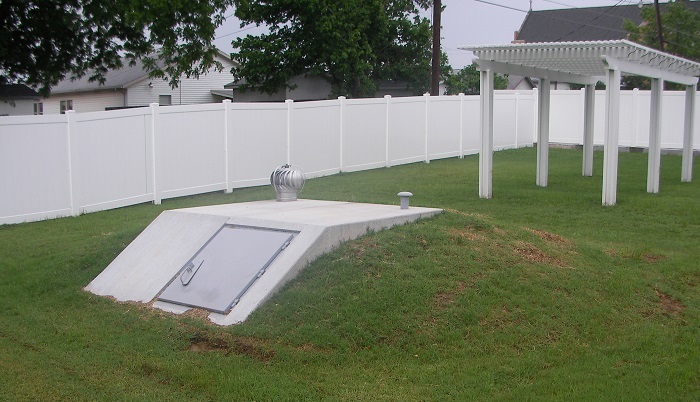
  • Protect your belongings. Place important papers such as insurance policies, medical information, loan or mortgage papers, birth certificates, and more, in a safety deposit box, a safe, or a storm shelter.tornado shelter

DURING the tornado, you must respond by:

  • Driving at right angles. It’s highly risky to the caught in a vehicle during a tornado. Luckily, there are a few things you can do. If the storm is visible and far away, you may succeed in driving out of its path. Simply move at right angles to the tornado and find an underground shelter.

If the tornado is near, the best thing to do is to park the car out of the traffic lanes. Do not leave the vehicle. Stay inside with the seat belt on and put your head down. Cover your head with your hands and a textile material (your coat or a blanket).

Do not, by any means, seek shelter under a bridge. They offer little protection and can create traffic hazards.

  • Going to your safety room. If you are at home, go to the designated safety room. If somewhere else, go to the lowest floor. It can be a bathroom, a closet, a windowless interior hallway, or under a stairwell. Crouch to the floor while facing down, and cover your head with your hands.

Even if you are inside you must cover yourself with a blanket, a mattress, or any type of thick padding. This is key in protecting you against falling debris.

  • Abandoning your mobile home. If you live in a mobile home, get out as soon as possible. Any place is safer than a mobile home, regardless of the fact that it may be tied down. It’s a fact that most tornadoes can destroy even the mobile homes that have been tied down. Rush into a shelter or a sturdy building.
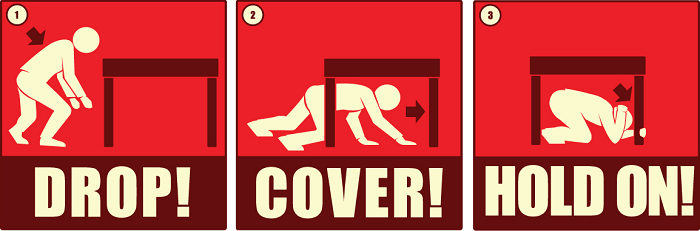
  • Crawling under a table. If the room you are in has a table, a workbench, or a pool table, then you can use them to protect from falling objects. Crawl under it and stay there until the tornado passes.tornado safety tip crawl under a table

Here is how you must act AFTER the storm:

  • Try to return home safely. If you’re somewhere else during the tornado, wait for it to pass and try to return home. Listen to the news to learn about the effects it had on your neighbourhood. Take notice of the advice of the local authorities. Return to your neighbourhood only when the officials say it is safe to do so. Watch out for danger such as fallen power lines.
  • Turn off the main utilities. If your house has experienced damages, turn off your utilities. This also includes natural gas, water main, and electricity. Furthermore, if you smell gas, do not even enter the home. Instead, call 911 immediately.
  • Clean your home with bleach. If your house has seen minimal water damage, then clean it with bleach. Make sure the area is well-ventilated. Wear proper protective equipment: rubber boots, rubber gloves, and eye protection.
  • Use flashlights. When examining you home, do not use candles. You may have a gas leak that you may not have smelled. Only use battery-powered flashlights.
  • Check for injuries. See if you or the people around you have been injured. Provide first aid to anyone in need until the ambulance arrives.
  • Report fallen power lines to the utility company right away. This is one of the most important tornado safety tips because such issues can be life threatening.

We hope you remember these key tornado safety tips on how to keep yourself safe during and after a violent storm. It’s vital you learn by heart what to do before a tornado so that it doesn’t catch you by surprise. Try to remain calm and alert. Listen to any information and instructions given by the emergency crews and the local officials.

If you or your family and friends have experienced a disaster, register on the American Red Cross’ Safe and Well list. This way, you can let everyone know you are safe.

IMAGE SOURCE:1, 2, 3

  • « Previous Page
  • 1
  • 2

5 Safety Tips You Need To Know If You Live Near A Nuclear Power Plant

image source: pixabay.com When purchasing a home, there a lot of things to consider. What area of the United States do you want to live? Do you want to be in the country or in the city? Are you going to rent or own, and will it be an apartment or a house? If you […]

Tornado Warning VS Tornado Watch: What You Need To Know

When it comes to severe weather, nothing is as devastating as a tornado when you consider the inch to inch devastation. Tornados often possess stronger winds than hurricanes, and due to the cyclone shape of a tornado, it increases the damage potential. Tornados are also especially dangerous if you are in its path. A single […]

Long Term Water Storage: The Ultimate Guide

While you hope that a calamity like a water shortage or other emergency will never befall in your lifetime, it is always important to be prepared for the worst while hoping for the best. One of the most important aspects of emergency preparedness is ensuring you have a sufficient stockpile of water to get you […]

10 Best Filter Water Bottle Brands To Use During Emergencies

If there is one thing that all hikers and outdoor enthusiasts have in common, it’s that they all agree you should never blindly drink out of a natural water source. That’s because the unfiltered water, although fresh and natural, contains harmful bacteria and waterborne parasites that would likely go undetected by taste alone. With a […]

14 Deadliest Natural Disasters of All Time

What are the deadliest natural disasters of all time by death toll? Which type of deadliest natural disasters has the greatest death count? More importantly, what are some ways the population was affected by those disasters? Were there things that people did to worsen or better the effects of mother nature angrily smashing her surroundings? […]

4 Frostbite Symptoms And How To Treat Them

With the onset of winter comes the risk of getting frostbite. With all of the outdoor recreation that’s available to us in the winter, it is important to learn how to protect ourselves. Knowing the signs of frostbite in the early stages can help you to avoid permanent damage to your skin and underlying tissues. […]

Fire Escape Plan for Your Family: Our Complete Guide

No one ever thinks a tragedy will happen to them. We see events on the news all the time such as accidents, home invasions, and house fires. We rarely plan for these things because we never think that we will be in such a situation. If you do one thing this coming year, whether you have […]

10 Tips for Living Through Power Outages

Most of us don’t think of power outages until we’re searching for flashlights or candles in the dark. Some think the light on their cellphone will be good enough to make it through power outages. That might work if power outages happen only when your phone is already fully charged. But, what about being prepared […]

How To Tell If A Snake Is Poisonous: Your Ultimate Guide

image source: Pixabay Have you ever been startled by a snake in your yard? Snakes are among the most misunderstood and feared animals on the planet, mainly because of the poisonous and potentially deadly bite a snake can inflict on its target. The truth, however, is that most snakes in the United States are non-venomous and […]

Copyright © 2026 ·Outreach Pro · Genesis Framework by StudioPress · WordPress · Log in