Disaster Rally

  • Natural Disasters
    • Earthquakes
    • Hurricanes
    • Tornadoes
    • Fires
    • Floods
    • Tsunamis
    • Other
  • Man-Made Disasters
    • Nuclear
    • Pollution
    • War
    • Other
  • Prepare
    • Plan
    • Supplies
  • Disaster Resources
    • Agencies
    • Aid
    • Medical
    • Rescue
    • How To Help
    • People in need
  • Contact
  • About Us: Disasterrally

Long Term Food Storage: The Ultimate Guide

Preparing for a rainy day, as some may call it, comes in many forms. For some people, this means buying extra lanterns, heaters, and first aid supplies for a major emergency, whether it be a weather calamity or the breakout of war.

While all these items and more are important, they will all be useless in the long run without proper supplies of food and water. If you recently started researching long term food storage but are not sure where to get started, you are in luck. To access our ultimate guide to long term food storage as part of your emergency preparedness measures, keep reading.

How to Plan Your Emergency Long Term Food Storage
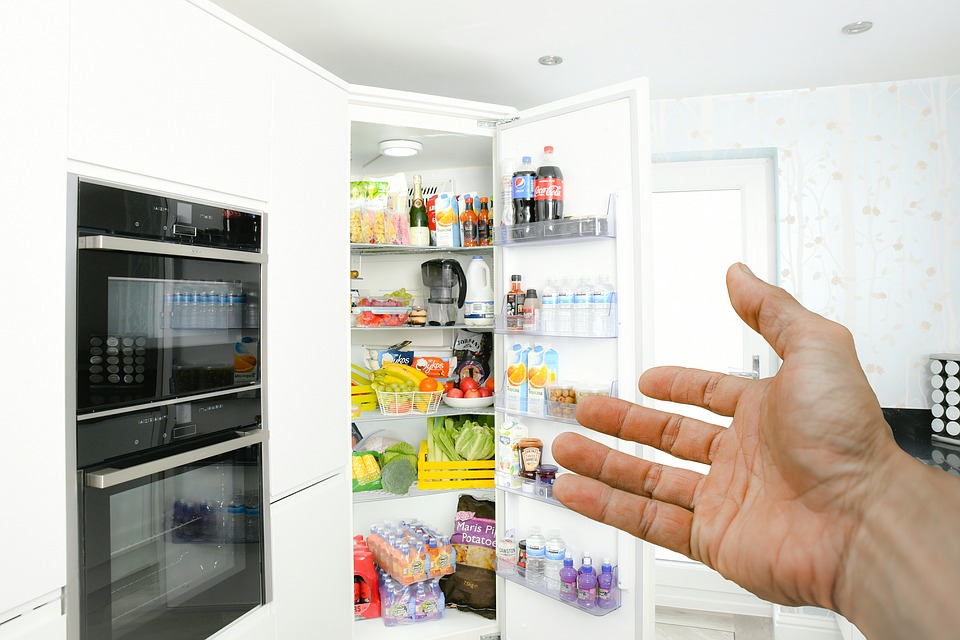
Fridge With Food

IMAGE BY:PIXABAY

Top Benefits To Preparedness

Before delving into the ins and outs of long term food storage, it is important to understand the top benefits associated with emergency preparedness. When you build your supply of long term food storage, you ensure that you are ready for any short or long-lasting emergency that may occur. While you hope such events never take place, it is better to be prepared rather than find yourself lost at sea without a paddle if they do. Even in short term emergencies like a snow storm, it is often difficult to leave the house for a grocery run.

Also, while you may think food shortages are an emergency that happens in third-world countries alone, this is not the case. Food shortages have the potential to occur at any time and place, whether or not an emergency is happening in your specific location. Most grocery stores only have enough food to feed customers for up to 3 days. If an emergency happened, your grocery store’s supply of food would surely dwindle fast.

Another benefit to long term food storage is the ability to save on expenses in the long run. If you have a pantry that allows you enough space to store in bulk, you can buy when sales run and keep plenty of food on hand for whenever you need it. Then, you will not need to go to the grocery store as often, which saves you money on food and gas. When you buy less frequently, it is easier to focus on essential items rather than tempting buys that serve no nutritional purpose.

We would like to add one final note to this point. When you invest in long term food storage, you not only create a security blanket for local emergencies but for family ones too. If someone in your family loses their job, becomes ill, or has financial issues, you have enough food in your pantry to feed everyone. When life gets stressful, it is nice to have one less thing to worry about.

Assess Your Goals

The first step to plan your long-term food storage is to assess your goals. Consider why you want to bulk up your food supply as this will determine exactly how much space you need. For instance, if you want to have a 3-day supply of groceries on hand in case of emergency, you will not need as much storage space as if you wanted a month’s supply of food.

Think about whether you want your pantry to be stocked with all your food essentials or just some extra canned items. Whatever your goals for your long term food storage may be, identify them before you shop.

Consider Your Location

The most ideal location for food to be stored long term is near an outside wall in your basement. This is because that part of your house is one of the coolest and will keep your food fresh for a long time. If you do not have a basement, any cool, dark location like a corner or closet will suffice. If you live in a smaller home or apartment and do not have as much storage capacity, spaces under your bed or the top shelf of your closet can work too.

Make Sure You Have Sufficient Storage Space

If you are unsatisfied with the amount of storage space you have to work with and you can add extra, consider installing wood or wire shelves in your pantry. With a few tools and some time, you can construct your own shelving and increase your capacity for long term food storage.

Begin Shopping

We will get into exactly how to build out your food supply further down, but in the meantime we would like to offer a few tips for when you shop. Begin by grabbing a few extra canned items when you go to the grocery store. Try to use double coupon days and discounts to boost your food supply. Always purchase produce in season to save money. You can even go to pick-it-yourself farms to buy fresh produce to be canned or pickled at home.

Foods To Store In The Pantry

Fruits And Vegetables

IMAGE BY:PIXABAY

The first grocery items to consider when planning out your long term food storage are the items you will keep in your pantry. Whenever you add foods to your pantry, make sure you purchase items you eat and enjoy often.

If you buy foods that are not regular pantry staples in your home and an emergency occurs, your family may be obliged to eat foods they dislike in an already stressful situation. Plus, when you buy foods that everyone enjoys, it makes rotating your grocery items a breeze. It is imperative to rotate your food so it does not expire and become wasted, so choose foods you like and know well.

Dried foods like rice, beans, peas, and lentils are great pantry items to stock up on. Canned soups, fruits, and vegetables, protein bars, mixed nuts, dried fruits, pasta, oats, crackers, pancake mix, cereal, peanut butter and jelly, and beef jerky are all essentials to have on hand. Remember also to store your favorite coffee, tea, or hot chocolate, along with some powdered drink mixes, dried milk, evaporated milk, or condensed milk. You will want to have things like pasta, beef jerky, pickled vegetables, oats, and crackers on hand too.

For any baking needs that may arise with an emergency, consider storing flour, baking soda, salt, yeast, and sugar. If you want to have a few cheat treats like candy bars, chocolate, and cookies, that is never a bad idea either. For hearty meals, pantry items like bouillon cubes, seasonings, sweeteners, spices, packaged goods like macaroni and cheese, and canned meats will do the trick. If you have young children in the house, make sure you buy extra baby food and formula too.

Many of the foods that have the longest shelf life are lacking in the nutritional department. When doing your shopping, try to balance out these processed, packaged foods with healthy canned foods.

Water is another essential you need in your long term food storage. Buy enough water to meet your emergency preparedness goals. So, if you are stocking up 3 day’s worth of food, you need to buy 2 gallons of water for every person in your household for each day. This extra water will suffice for drinking, but also give you extra water for cooking, cleaning, washing, and flushing toilets.

How To Store Fresh Foods

Vegetables And Fruits

IMAGE BY:PIXABAY

You can incorporate fresh fruits and vegetables into your long term storage. To store fresh food and make sure it lasts, you must keep these items in a cool, dark place that has air to keep everything from going bad. You might purchase or build a storage bin with proper circulation to store your fresh food in. Wire bins, plastic bins, and wooden orchard racks are good ones.

If you purchase fresh food, you need to focus on the quality of the fruits and vegetables. If you see fresh produce that is bruised or has dented skin, it will rot in no time flat once you put it into storage. That rotting can even spread to your other foods too. The best way to avoid this is to buy fruits and vegetables with a clean and smooth exterior, purchase locally from a farmer’s market, and purchase in season.

Winter squash, onions, cabbage, and root vegetables are ideal options for long term food storage. Winter squash does best when stored at 50 degrees. You should wrap each squash in a paper towel or newspaper and keep them separate from each other. Onions are perfect for long term food storage because they contain large quantities of sulfur. Put them in a cool, dry place. Funny enough, panty hose are a fantastic way to store your onions. They will stay fresh for as long as 8 months when stored in your pantry properly.

You can incorporate root vegetables into your long term food storage plan if you cure them. Curing is simple. All you have to do is lay out your root vegetables in one layer on paper in an environment with a temperature of 45 to 60 degrees. Leave them that way for 2 weeks. The best way to store root vegetables long term after curing them is by placing them in a cold place with a temperature of 35 to 40 degrees and good humidity. Unheated basements, garages, and root cellars work best. You could also use a wooden crate filled with sawdust or straw if you have a cold area surrounding your house to use.

Cabbage also needs to be stored in a cold, humid place. If you store them right, they will last as long as 3 to 4 months. The best way to store them is to hang them with the head down by their stem or wrap them in newspaper and keep them on the floor.

Storing Frozen Foods

Fishes With Ice

IMAGE BY:PIXABAY

Frozen foods are another great option to weave into your long term storage plan. If you want to make meals ahead of time and store them for as long as a year, put them in a deep freezer and you will have plenty of options to choose from when you need them.

Miscellaneous Items

There are a few other miscellaneous items you will want to include in your long term food storage. Things like a charcoal grill and charcoal, or a propane stove with extra propane, a can opener, storage containers, and disposable dishes and utensils will vastly simplify your cooking endeavors if an emergency strikes.

Check For Expired Foods

Bulking up your food storage for an emergency is always a good plan and can save you money in the long run. That said, if you do not check for expired foods from time to time you could end up losing money. If foods expire, it canbe dangerous or unpoeasant to eat them which is money down the drain. Whenever you add groceries to your pantry, place items with the closest expiration date at the front. Check your pantry every 3 months to rotate items nearing their expiration date.

If you see rust on a can, you need to eat that food right away. If a can is bulging, toss it out, as bacteria could have gotten inside. Always stay away from foods that have a strange feel or aroma.

How to Build Out Your Food Supply

Woman Eating

IMAGE BY:PIXABAY

Start Slow And Steady

When building out your food supply for long term storage, starting slow and steadily building your inventory is the best way to go. You can bulk your food inventory in increments over a period of weeks, months or more. This will help you budget accordingly and allow you to meet your storage goals without issue.

The 1-Month Mark

Start by buying extra food every week when you go grocery shopping. Identify how many groceries your household requires in a week and tack 25% extra on to comprise your extra food for storage. After a month has passed, you will have a full month’s worth of food stored. Be sure to rotate foods close to expiration and eat them so your stored items stay fresh and ready.

The 3-Month Mark

Once you hit the 3 month mark, you can incorporate bulk items. You can keep buying your extra 25% worth of food every week, but buy foods like crackers, milk, fats, grains, and leavening to have on hand.

The 6-Month Mark

Once you have been buying and storing food for 6 months, you should have plenty of options to choose from in case of an emergency. Continue to check and rotate your foods as needed, using any items you have to before they go bad. This is the time where you can add in things other than just survival essentials, like any treats or baking items. Make sure you have plenty of rice, grain, sugar, salt, and so forth.

The 6-Month Mark

It could take you months or even years to build up as much as 1 year’s supply of food, but if that is your goal the effort is well worth it. If you budget wisely and choose your food items with care, this is not a hard goal to achieve. Just increase your long term food storage in increments and choose items with long shelf lives so you do not have to rotate them out too often.

Tips on Using Your Provisions

IMAGE BY:PIXABAY

Avoid Humidity

Allow us to offer a few final tips on keeping and using your provisions for long term food storage. The first thing you need to avoid when using your provisions and keeping them fresh is humidity. While a couple of the foods we mentioned, like root vegetables, do well in a humid environment, they are they exception. Humidity rots and molds most foods, so you need to make sure you keep your foods dry and free of any unwanted moisture.

Oxygen Is Your Enemy

The next thing you need to know is that oxygen is your enemy when storing food long term. Oxygen will reduce the quality of your food, making it unfit for consumption. The best way to avoid this is by using oxygen absorbers and sealing your groceries in food-grade buckets so rodents cannot get in.

Keep Your Food Away from Light

Light poses a real threat to storing your food long term because it alters the taste and appearance of the food. This lessens the flavor and texture of your food while undermining the nutritional content. The best way to avoid this problem is by keeping your food stored in a dark, cool place free of light.

Temperature Is Key

Our final tip for using your provisions is to pay attention to the temperature of your storage area. Most foods keep best at a lower temperature so they do not form bacteria and become inedible. The optimal temperature for storing your food long term is anywhere between 50 and 60 degrees. If you have a cellar or basement, that is the best way to keep your food in a cool, dark place with a regulated temperature.

Conclusion

Learning how to do long term food storage starts with a few simple steps. Identify your goals for storing the food, decide how much you will need, and incrementally increase your grocery supplies. Before you know it, you will have a wide range of food choices to pick from for that rainy day.
10 Best Emergency Car Kits

Are you prepared for emergencies on the road? No, we are not talking about your stash of water bottles and even your 20-piece first aid kit in your glove compartment. Instead, we are talking about lifesaving car kits designed to protect you against the worst hazards our vehicles could face.

From blown tires and dead car batteries to transmission failure and accidents, the essential components inside a well-curated car kit could resolve these troubles and protect us against harm. That is why, when it comes to shopping for a car kit, you should painstakingly review its contents and gauge carefully how useful each component will be. In an emergency, there is no time to deal with ineffective tools and components backed with false promises.

In the following guide, we take the guesswork out of finding the right emergency car kit for your vehicle, as we have reviewed 10 that we think are the best kits on the market today. Read on to find out our number one pick.

COMPARISON TABLE

[amazon box=”B00JHK81X2,B072F28HHK,B00N509LP2,B07MZNM23Q,B07635TT3W,B009M3QD8E,B0006MQJ0M,B00149VP14,B004C16S0O,B00INTQ1TY” template=”table”]

Car Kits FAQ

1. What Is a Car Kit? 

Also known as an emergency car kit, a car kit is a set of tools and components designed to get you back on the road and to protect you against harm.

2. What Does a Car Kit Do? 

A car kit contains tools and components for repairing your vehicle during an emergency.

3. How Does a Car Kit Work? 

A car kit typically contains repair tools for your vehicle, such as an air compressor for your tire, tow ropes, a reflective triangle, and jumper cables. A car kit may also contain emergency food supplies and first aid for treating injuries.

4. Where Can You Buy a Car Kit? 

You can buy a car kit at your local vehicle parts retailer or online at Amazon.com.

How We Reviewed

The following products were reviewed based on the following parameters: Features, Pros & Cons, Price, and Where to Buy. We were mainly concerned with the car kits’ functionality, durability, versatility, ease of use, and ease of storage.

Overall Price Range of This Product (and Similar Products)

Car kits range in price from around average to high price. The higher-priced car kits feature more car tools, including air compressors, jumper cables, fire extinguishers, and emergency hammer for breaking the glass. In addition, some kits contain water and food supplies for multiple persons, which could also explain the higher costs.

Top Gear Premium Roadside Assistance Kit (66-piece)

[amazon box=”B00JHK81X2″ template= “horizontal”]

Features 

The Top Gear Premium Roadside Assistance Kit features a premium selection of emergency essentials for any vehicle. Included in this kit are battery booster cables, designed to get you back on the road. It also features a 14-function multi-tool to get you out of any pickle you may find yourself in. What’s more, this kit also contains a convenient carrying bag, a hand-charged LED flashlight that requires no batteries, a reflective safety vest, 12-hour light sticks, a pair of knit gloves with grippers for performing minor repairs, an emergency rain poncho measuring 50-inch by 80-inch for protection against the elements, a reflective warning triangle, a bungee cord, emergency survival blanket for heat protection, tire pressure gauge, premium first aid kit, and much more.

PROS

  • Great value
  • Top-quality contents
  • Hand-charged LED flashlight
  • Allows for great customizability
  • Carrying bag offers extra space

CONS

  • Missing components for some users
  • Made in China
  • Jumper cable melted for some users

Blikzone Premium Auto Roadside Assistance Emergency Car Kit

[amazon box=”B072F28HHK” template= “horizontal”]

Features 

The Blikzone Premium Auto Roadside Assistance Emergency Car Kit features everything you need to protect against the unexpected. This all-inclusive kit contains a portable mini air compressor, a heavy-duty #8 gauge battery jumper cable, a 19-piece circuit tester tool, a 7-piece tire repair kit, plus tow straps. What’s more, this kit also contains a reflective safety vest as well as other essential tools for emergency situations. With a combined 81 pieces of tools, this kit ranks as one of the largest car kits you can buy today.

PROS

  • Carrying bag keeps everything organized
  • Dual-cylinder portable air compressor kit with digital LCD display
  • Durable flashlight

CONS

  • Too bulky for some users
  • Too heavy for some users
  • Could be pricey

Lifeline 4388AAA AAA Excursion Road and First Aid Kit

[amazon box=”B00N509LP2″ template= “horizontal”]

Features 

The Lifeline 4388AAA AAA Excursion Road and First Aid Kit is another top-quality product among those on our list of the best car kits. This kit features 76 essential components all backed by AAA’s quality assurance. It contains, for example, duct tape, zip ties, heavy-duty jumper cables, premium quality aluminum flashlight, an air compressor, reflective safety triangle, and first aid kit items to keep you protected during emergencies. Also, included with the kit is an ultra-durable carrying case for keeping the emergency components organized while allowing room for extra items.

PROS

  • High-quality air compressor
  • Durable carrying case
  • Jumper cables reinforced with heavy-duty casing

CONS

  • Jumper cables not strong enough for some users
  • Kit has an expiration date
  • Tire compressor became stuck for some users

AutoClubHero Compact Car Emergency Survival Kit

[amazon box=”B07MZNM23Q” template= “horizontal”]

Features 

The AutoClubHero Compact Car Emergency Survival Kit contains over 185 pieces of essential components for any emergency situation, making it one of the largest car kits on the market today. It contains all the important tools for your vehicle, including jumper cables, ice snow scraper, tow strap, 12v tire inflator pump, roadside emergency tools, and emergency hammer for breaking windows. Also, this kit also contains other emergency essentials, including a mylar blanket, emergency water supply, food rations, an LED headlamp, and fire starter. Finally, this kit contains an 85-piece first aid kit for treating minor injuries during emergencies.

PROS

  • Hand-crank LED flashlight
  • Well-made, durable components
  • Carrying bag provides organization and customization

CONS

  • Pricey
  • No pain relievers
  • The fire extinguisher is poorly made according to some

Roadside Assistance Car Emergency Kit – First Aid Kit

[amazon box=”B07635TT3W” template= “horizontal”]

Features 

The Roadside Assistance Car Emergency Kit – First Aid Kit features everything you need to stay safe and protected in case of an emergency. This kit contains a roadside assistance kit featuring a reflective warning triangle, a safety vest, a pair of work gloves with gripping palms, a safety hammer, an LED flashlight, and much more. Like other car kits on our list, this kit also contains essential first aid items such as cold compresses, bandages, and an emergency blanket for protection against the cold. What’s more, this kit features a lightweight carrying bag for convenient storage and organization. Finally, this kit is backed by a 100% satisfaction guarantee for quality assurance.

PROS

  • Nice selection of top-quality items
  • Multi-tool
  • First aid kit
  • Affordable

CONS

  • Feels cheap for some users
  • No air compressor

Mayday AA01 Urban Road Warrior

[amazon box=”B009M3QD8E” template= “horizontal”]

Features 

The Mayday AA01 Urban Road Warrior contains all the necessary tools and components you need during an emergency. Similar to other car kits on our guide, this kit features a pair of leather work gloves for handling minor repairs, an ultimate roadside survival kit containing a reflective safety triangle, repair tools, jumper cables, and a first aid kit for treating injuries. Built to last, this kit features top-quality, durable components for repairing flat tires and tools for survival.

PROS

  • Top-quality, durable components
  • Convenient carrying bag
  • First aid kit
  • Tire repair tools

CONS

  • Could be pricey
  • Fire extinguisher does not work well for some users

Lifeline 4330AAA Black AAA Premium Road Kit

[amazon box=”B0006MQJ0M” template= “horizontal”]

Features 

The Lifeline 4330AAA Black AAA Premium Road Kit features top-quality, AAA-backed emergency essentials for your vehicle. This entry-level kit features 42 essential components for handling any emergency situation. It contains duct tape, zip ties, shop cloth, jumper cables, an aluminum flashlight and a first aid kit for treating bruises and injuries.Also, similar to the other Lifeline product on our list of the best car kits, this kit also features a convenient and durable carrying bag for easy organization and storage.

PROS

  • Great value
  • Durable flashlight
  • Tire compressor
  • Well curated first aid kit

CONS

  • Some components were cheaply made for some users
  • Some components were made in China

Ready America 70385 Deluxe Emergency Kit

[amazon box=”B00149VP14″ template= “horizontal”]

Features 

The Ready America 70385 Deluxe Emergency Kit is a kit designed specifically for use during disasters and emergencies. Unlike other car kits, this kit is approved by the U.S. Coast Guard and contains enough food and water supply for three days. What’s more, it also contains a first aid kit, rain poncho, emergency blankets, hand-crank flashlight, a pair of work gloves for fixing minor repairs, multi-tool, latex gloves, duct tape, whistle, four pairs of safety goggles, and much more.

PROS

  • Durable components
  • Hand-crank flashlight
  • U.S. Coast Guard-approved
  • Food and water supply for four persons for three days

CONS

  • No car repair kit
  • No air compressor
  • No reflective warning triangle
  • Could be pricey

Performance Tool W1555 Deluxe Roadside Emergency Assistance Kit

[amazon box=”B004C16S0O” template= “horizontal”]

Features 

The Performance Tool W1555 Deluxe Roadside Emergency Assistance Kit is an all-in-one kit for your vehicle during emergencies. Featuring 8-foot 10GA jumper cables and a 2-ton 14-foot tow rope, this kit is on par with other top-quality car kits on our guide. What’s more, it also features a Krypton flashlight, pliers, 2-in-1 screwdriver, bungee cords, rain poncho, first aid kit, work gloves, ice and snow scraper, tire gauge, knife, cable ties, and electrical tape. Finally, included with the kit is a durable carrying bag designed for optimal organization and ease of storage in your vehicle.

PROS

  • Durable jumper cables
  • Carrying bag
  • Long tow rope
  • First aid kit
  • Affordable

CONS

  • Some components were cheaply made for some users
  • Flashlight not bright enough for some users

Victor (22-5-65101-8) 36-Piece Ready Emergency Road Kit

[amazon box=”B00INTQ1TY” template= “horizontal”]

Features 

The Victor (22-5-651010-8) 36-Piece Ready Emergency Road Kit is designed for emergencies big and small. Featuring 36 pieces of emergency essentials, this kit is comparable in quality and versatility with other car kits on the market. It features no-slip fasteners for securing itself inside the trunk. Also, it contains booster cables, AA batteries, gas siphon pump, rain poncho, a first aid kit, a flashlight, all more, all placed nicely in a convenient and durable carrying bag.

PROS

  • Quality jumper cables
  • First aid kit
  • Batteries
  • Affordable
  • Carrying bag

CONS

  • No air compressor
  • No food and water rations
  • Not for heavy-duty vehicles

The Verdict

After reviewing all 10 products based on the four parameters, we present our verdict of the best emergency car kit for your vehicle: The Lifeline 4388AAA AAA Excursion Road and First Aid Kit. This 75-piece essential kit has everything you need for getting out of an emergency safely. In addition to durable, top-quality car tools such as an air compressor and jumper cables, it also contains other tools for survival, including a rain poncho, flashlight, first aid components, and much more. In addition, this kit is backed by AAA’s quality assurance. And, the best part is, everything is packed nicely into an easy-to-organize carrying bag for convenient storage inside your vehicle.

11 Survival Gear Items Every Home Should Have

With the recent natural disasters that have been occurring more and more, it is never too late to prepare your home and family for such an emergency. Hurricanes, tornados, flooding, snowstorms, earthquakes, and fire… these events may seem frightening and overwhelming, but with a little education and preparation, we can increase our chance of survival and the ability to cope with whatever emergency may arise. We need to know and have the correct survival gear to help us through.

Surviving in an emergency or natural disaster is 90% psychological, therefore, preparing for these types of situations increases odds of survival. Taking steps like making an emergency plan, stockpiling food and water, and gathering supplies like flashlights, candles, and solar chargers are all simple steps we can take to be more prepared in the event of an emergency.

COMPARISON TABLE

[amazon box= “B00EEIPOOQ,B000YAFS8A,B003A21DQA,B004MIBPVO,B006QF3TW4,B019EN82P8,B00IIOJSX0,B07BTPMGB9,B07981X5XL,B007KAX77G,B01H0UZ92Q” template=”table”]

Product FAQ

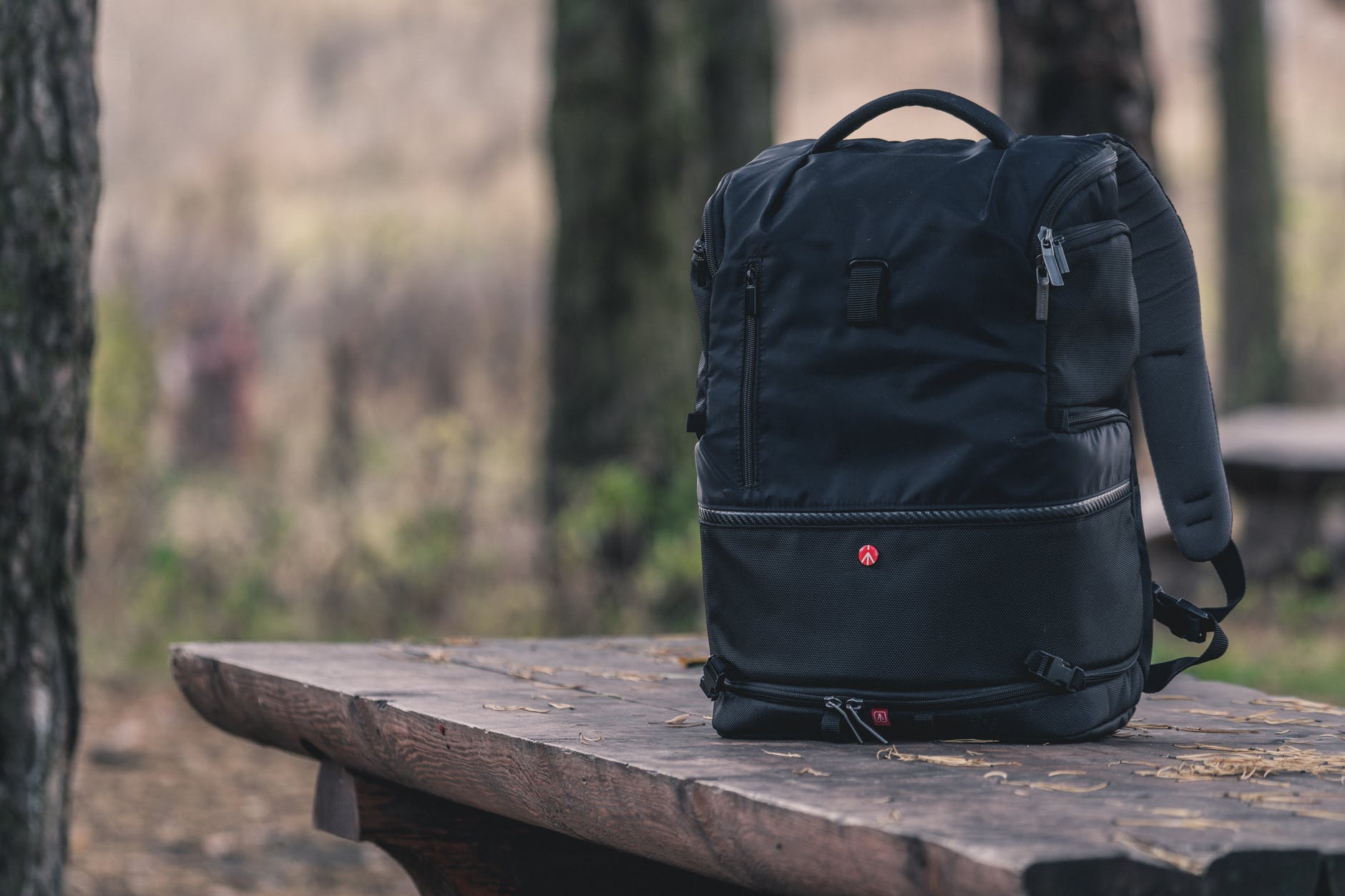
backpack

1. What Is Survival Gear?

Survival gear is a basic device or pack that provides one with essential supplies to get through an emergency or natural disaster. Such emergencies may range from earthquakes, tornados, or even man-made disasters. Survival gear may include water, food, portable chargers, tools, lights, and medical kits.

2. What Does Survival Gear Do? 

Survival gear provides essential items when common luxuries are unavailable such as food, safe drinking water, and power for heat or lights. Preparing survival gear ensures that one is better able to cope if an emergency or natural disaster should arise.

3. How Does Survival Gear Work?  

Survival gear such as dehydrated food and water filters ensure enough food and safe drinking water will be available in the worst case scenario. Items like flashlights and solar-powered chargers provide light and power when these resources are unavailable. Common survival gear tools may include fire-starting devices and all-in-one multifunction tools.

4. Where Can You Buy Survival Gear? 

A wide range of survival gear, and all gear reviewed here, may be found on Amazon.

How We Reviewed

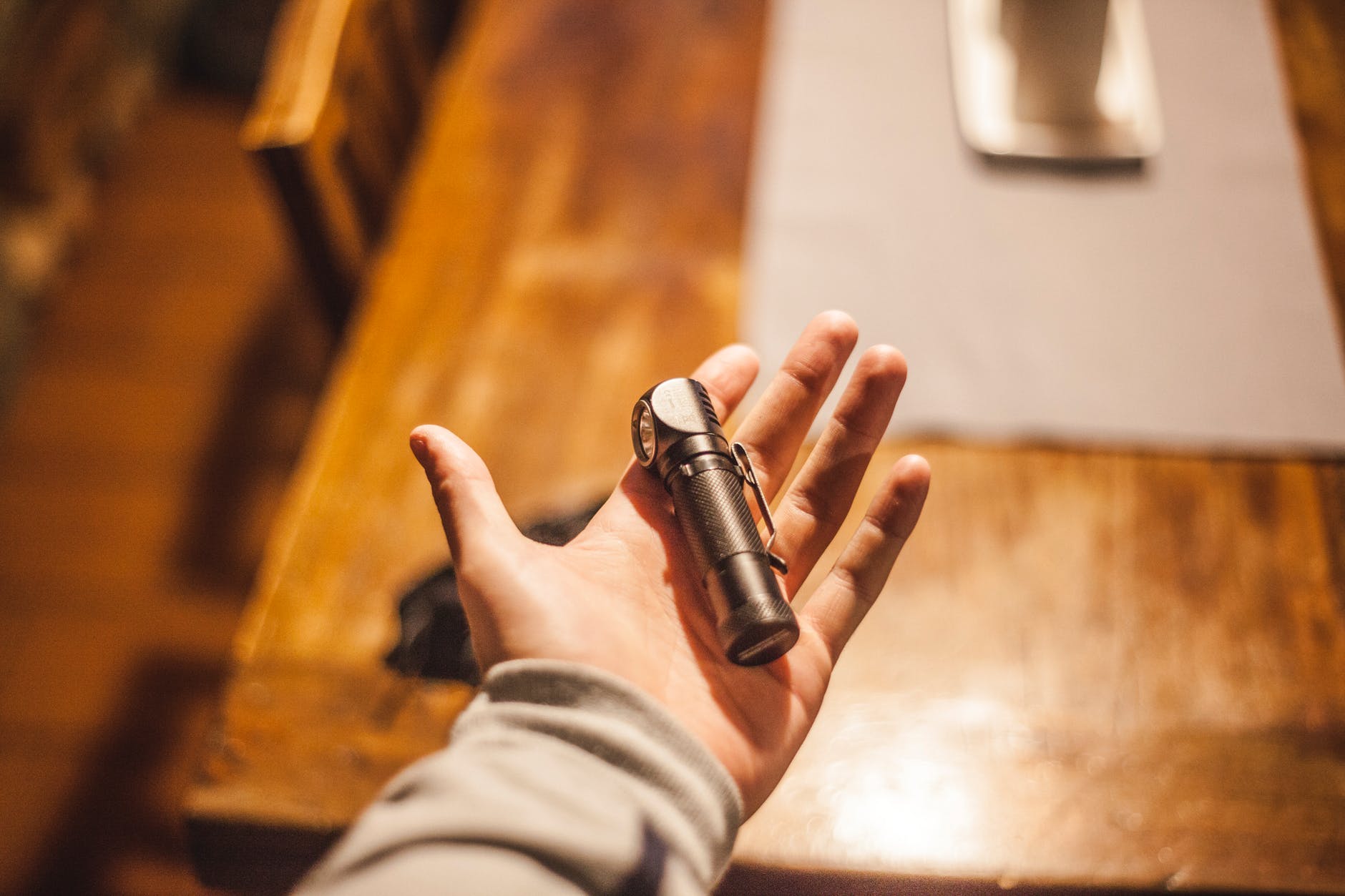
man holding flashlight

The items reviewed were based on price, pros & cons in relation to the ease of use, availability to buy the product, and whether the item offers a warranty or guarantee.  

What We Reviewed

  • SURVIVE2THRIVE 40 DAYS/NIGHTS 100% ORGANIC FOOD SUPPLY
  • Orbit 26097 Gas And Water Emergency Shut Off Tool
  • Kaito KA500 5-Way Powered Solar Power Emergency Radio
  • Emergency Zone Honey Bucket Style Toilet
  • LifeStraw Personal Water Filter
  • Leatherman Multi-Tool
  • Titan Warriorcord​
  • Solar Powered Tactical Flashlight
  • Power Bank 50000mah Solar Battery Charger
  • 115 Hour Plus Emergency Candle Clear Mist
  • Titan Extra-Thick Emergency Mylar Sleeping Bag

SURVIVE2THRIVE 40 DAYS/NIGHTS 100% ORGANIC FOOD SUPPLY

[amazon box=”B00EEIPOOQ”]

Features

Survive2thrive is the ultimate in survival gear with a 100% organic vegetarian food preparedness pail. The meals are nutrient-dense and provide an adult with enough food for 40 days and nights. Each ingredient in the pail is vacuum-sealed and nitrogen-washed in 5ml bags for maximum shelf-life. The bucket includes food such as black beans, garbanzo and pinto beans, rolled oats, lentils, quinoa, millet, chia seeds, buckwheat sprouts, brown rice, sprout blend, Enerfood, pancake mix, gluten, miso powder, and spice mix.

PROS

  • USDA Organic  
  • Individually vacuum-sealed
  • Easy to transport and store
  • A shelf life of 15 years

CONS

  • Lack of food variety
  • Vegetarian only

Orbit 26097 Gas and Water Emergency Shut Off Tool

[amazon box=”B000YAFS8A”]

Features

Among the most important survival gear is this gas and water emergency shut-off tool. In an emergency, it is important to turn off water and gas in case of a leak. This multi-functional tool is designed to open both standard and Texas meter covers and shut off water and gas mains. It is made of durable metal and features a glow-in-the-dark comfort grip handle.

PROS

  • Shuts off the gas and water mains
  • Glow-in-the-dark handle
  • Comfort grip

CONS

  • Not long enough
  • No instructions for use
  • May not fit all meters

Kaito KA500 5-Way Powered Solar Power Emergency Radio

[amazon box=”B003A21DQA”]

Features

A portable emergency radio is a must-have survival gear item that every household should have. The Kaito KA500 uses different methods to power on including an AC/DC adaptor, a built-in rechargeable battery, a compartment for 3 AA batteries, hand-cranking or USB power source, and adjustable solar panels. It features a wide range of band reception including AM, FM, shortwave, and NOAA weather stations. It has seven pre-programmed weather channels and will be automatically activated when it receives alert signals from weather stations when set to “alert” mode. This emergency radio also acts as an emergency battery charger with its standard built-in USB port for charging devices like smartphones, GPS units, and MP3 players. Other features include an LED reading lamp, LED flashlight, and red LED beacon light.

PROS

  • Made of impact-resistant material 
  • Water resistant
  • Available in a variety of colors
  • Headset jack socket
  • May also be used for camping, road trips, RVs

CONS

  • Crank power device is weak
  • Batteries not included
  • AC/DC adaptor sold separately
  • No warranty

Emergency Zone Honey Bucket Style Toilet

[amazon box=”B004MIBPVO”]

Features

Be prepared when modern conveniences are unavailable by adding a toilet set to your survival gear list. The Emergency Zone complete toilet set includes items needed for a mess-free and hygienic way to manage waste in an emergency. The complete toilet set includes 10 toilet liners, 10 toilet chemical packs (which contain deodorizer and a gelitanizer that turns a 1/2 gallon of liquid waste to gel for disposal), and a removable toilet seat.

PROS

  • Includes instructions for use  
  • Lightweight
  • Durable
  • May also be used for camping, road trips, RVs

CONS

  • Must dispose of waste
  • Does not specify a weight limit
  • The seat does not fit bucket

LifeStraw Personal Water Filter

[amazon box=”B006QF3TW4″]

Features

Lifestraw personal water filter safely turns up to 1,000 liters of contaminated water into drinkable water. The microfiltration device removes 99% of waterborne parasites and waterborne bacteria including E. coli, salmonella, giardia, and cryptosporidium. It also filters micro-plastics often found in the environment and has been rigorously tested using standard protocols set by the US EPA. With proper use and maintenance, LifeStraw provides 1,000 gallons of safe drinking water and is the perfect addition to any survival gear list.

PROS

  • Laboratory-verified testing
  • For every straw purchased, a child in need receives safe drinking water
  • Long lifetime

CONS

  • Hard to suck water through
  • Difficult to use
  • Does not provide enough water

Leatherman Multi-Tool

[amazon box=”B019EN82P8″]

Features

A multi-tool is a crucial piece of survival gear, as it provides several tools in one. The Leatherman multi-tool features 19 tools in one, including a variety of pliers and wire cutters, a knife, a saw, a hammer, and a bottle and a can opener just to name a few. Special features also include a fire-starting rod and a safety whistle. This tool only requires one hand to open and use and it is equipped with a pocket clip and carabiner, making it easily within reach. Leatherman also offers a 25-year limited warranty.

PROS

  • 25-year limited warranty
  • 19 tools in one
  • Comes with sheath

CONS

  • Difficult to use
  • Not big enough
  • Loose-fitting tools

Titan Warriorcord

[amazon box=”B00IIOJSX0″]

Features

Titan Warriorcord may be the most versatile of survival gear. This cord is made from 100% military-strength nylon and has a minimum tensile strength of 550 pounds. It is rated as 100% bump, bulge, and kink-free. Titan paracord may be used for home and auto emergency kits, survival kits, and bug-out bags; it is designed for strength, durability, and compactness. Warriorcord may be used to tie things down to the top of a vehicle, string things up, such as wet laundry or a rucksack of food, or create a dog collar in a pinch. There is no limit to the uses of Titan Warriorcord.

PROS

  • Made to military specifications
  • Available in a variety of colors
  • Variety of uses

CONS

  • Snags
  • Frays easily
  • Inside cord slips away easily

Solar Powered Tactical Flashlight

[amazon box=”B07BTPMGB9″]

Features

No survival gear stash should be complete without a dependable flashlight. This solar powered, tactical flashlight made from durable aluminum offers a 3W LED front light that lights up to 200 meters of lighting distance. It boasts several all-in-one features such as an attack hammer for escape in a vehicle emergency, a built-in compass and magnetic side piece for attachment to a vehicle or other metal surface, side lights, and a solar-powered rechargeable emergency power bank. It also includes 1 lanyard and 1 USB cable.

PROS

  • Portable  
  • Durable
  • Multi-function all-in-one
  • Includes lanyard and USB cable

CONS

  • Long charging time
  • Heavy
  • No warranty

Power Bank 50000mah Solar Battery Charger

[amazon box=”B07981X5XL”]

Features

This high capacity 50000mah solar battery charger features two USB output sockets and 2 LED lights. It features protection against overcharge, over-discharge, overload, and short circuit incidents. It is compatible with USB digital devices and electronics and most cell phones, including an iPhone. This power bank comes with a USB cable and is waterproof. It also includes a built-in compass and mountaineering hook, making it perfect for attaching to a survival gear bag.

PROS

  • Includes built-in compass and mountaineering hook 
  • Waterproof
  • Portable

CONS

  • Long charging time
  • Only 2 USB output sockets
  • No warranty

115 Hour Plus Emergency Candle Clear Mist

[amazon box=”B007KAX77G”]

Features

These 115-hour emergency candles are ideal in any situation where light is needed. They feature liquid paraffin in a plastic container for a clean burn and boast over 100 hours of burning time. The package includes a plastic storage cap to prevent messy spills. They emit no odor and are a must-have survival gear item.

PROS

  • Long burning time 
  • No odor
  • Includes storage cap
  • Long shelf life

CONS

  • Open flame
  • Not refillable
  • Lack of light

Titan Extra-Thick Emergency Mylar Sleeping Bag

[amazon box=”B01H0UZ92Q”]

Features

The Titan extra-thick emergency sleeping bag is designed to be used for heat retention in an emergency and to help survive unfavorable weather. Each sleeping bag is heat-conductive, waterproof, and tear-resistant. When used properly, this sleeping bag will reflect up to 90% of body heat back to you. Originally designed for NASA, these sleeping bags can also be used as bivvy sacks, sleeping bag liners, ponchos, tarps, ground cover, and rescue or distress beacons. This survival item can be stowed easily in an included nylon drawstring bag and has a lifetime guarantee.

PROS

  • Lifetime guarantee   
  • Waterproof
  • Portable
  • Reflects body heat

CONS

  • Thin material
  • Holds in moisture
  • Small size

Closing Thoughts

With prices ranging from $10 to $260, even the most modest of budgets can afford these survival items, and when disaster strikes, we can’t afford to be without them. Being prepared for these events by making a plan and having supplies readily available are steps we can easily take to increase our chances of coping with such disasters. There are many uncertainties in life and being unprepared for an emergency shouldn’t be one of them. Prepare yourself today with these survival gear must-haves so that tomorrow can take care of itself.  

8 Ways To Protect Yourself From Biological Agents

The world today is more dangerous than ever before. It seems as though every time you look at the news, you see the aftermath of another senseless tragedy. With terrorism becoming more and more commonplace, you’ve probably heard phrases such as biological agents and wondered how you could possibly protect yourself. In this article, we will discuss what biological agents are, and then share ways that you can protect yourself from becoming infected by a biological agent.

What Are Biological Agents?

There are many names for biological agents, such as bio-agents, biological threat agents, biological weapons, and biological warfare agents. Whatever you want to call them, they are very dangerous weapons that can cause serious illnesses or even death to those who are infected. Biological agents come in many forms, but most often they are in the form of a parasite, fungus, or virus that can be used as a weapon during an act of war or terrorism. A terrorist attack using biological agents as a weapon is known as bioterrorism.

How Do Biological Agents Work?

In an act of bioterrorism, viruses are intentionally released in order to cause illness, incapacitation, or even death to those who are exposed. Exposure to biological agents can happen in a number of ways, including physical contact, droplet infection, and aerosol infection. Usually, biological agents are selected based on their ability to be mass circulated.

Biological agents are put into three different categories which are ranked by the severity of their effects on individuals and on society as a whole:

Category A

Biological agents in Category A are considered to be of high priority because of their extremely dangerous nature. Biological agents in this category have the potential to lead to serious illness, incapacitation, or even death. Worst of all, these biological agents pose a serious risk to national security because of how easily and quickly they can be transmitted or passed from person to person.

Category A diseases and viruses include:

Tularemia

Tularemia is an incapacitating infectious disease that usually begins with a bite from a bloodsucking pest like a tick or a deer fly, or by closely interacting with an animal who has been infected. While it can’t be passed from person to person, this high-risk disease can be obtained by drinking contaminated water or inhaling contaminated dust. The symptoms of tularemia include loss of appetite, high fever, and lethargy, and in some cases, can lead to death. With proper treatment and medical care, however, the risk of death is relatively low.

Anthrax

Anthrax is a non-contagious infectious disease with a high mortality rate. The symptoms show up as early as one day after infection or as late as two months after infection. Anthrax has been known to occur in four different forms: skin, lungs, intestinal, and injection.

The skin form usually begins with a small blister that turns into an ulcer with a black center over time. The inhalation form usually comes with symptoms such as feeling feverish and having shortness of breath. The intestinal form usually causes painful gastrointestinal issues, nausea, vomiting, and diarrhea. Finally, the injection form typically results in a fever and swelling and an abscess at the injection site. Depending on the form, anthrax has a 20%-80% mortality rate without treatment. Even with treatment, the respiratory and intestinal forms of anthrax still carry an extremely high risk of death.

Smallpox

Smallpox is a highly contagious virus that was eradicated worldwide in the 1970s. However, some samples still exist in laboratories in a few different countries. Smallpox is especially dangerous as a biological agent because it was eradicated so long ago that many people are not protected against it by means of vaccines anymore. Since it is highly contagious, it could be transferred from person to person easily. Smallpox can also be transmitted through the atmosphere.

Botulinum Toxin

Botulinum toxin is generally considered to be safe in most clinical settings, however, it is one of the most lethal toxins out there when used in higher doses. Interestingly enough, botulinum toxin has a wide range of uses and can be found in certain medicines and cosmetics. If used as a biological agent, it would pose a serious risk due to its high level of toxicity.

Bubonic Plague

The bubonic plague tends to be spread via bites from infected fleas. In addition, the bubonic plague can also be transmitted from the fluids of a dead animal that was infected with this plague. The bubonic plague is typically associated with small animals such as rodents. As a biological agent, this is very dangerous because it can kill very quickly. Without treatment, roughly 30-90% of people who get the bubonic plague will die as a result, typically within the first ten days after exposure.

Viral Hemorrhagic Fevers

This is somewhat of a catch-all category since viral hemorrhagic fevers range from mild illnesses to extremely serious and life-threatening illnesses such as the Ebola virus. However, all viral hemorrhagic fevers result in unpleasant symptoms such as fever and bleeding which can become extremely dangerous if the fever worsens or symptoms of shock begin to occur. If used as a biological agent, viral hemorrhagic fevers could be extremely dangerous, as there is no known cure for them and vaccines are still in development and are not yet accessible to the general public.

Category B

Category B agents are less of a concern than Category A agents and include epidemics such as water supply threats and food safety threats.

Category C

Category C biological agents are diseases, viruses, and infections that are already relatively common but have the potential to be purposely abused during biological warfare such as the H1N1 virus and HIV or AIDS.

8 Ways to Protect Yourself from Biological Agents

1. Get Your Yearly Flu Shot

Of course, getting your flu shot won’t protect you from every form of the flu, but it can protect you from the most common flu virus strains that are going around during any given year. Getting your flu shot can help you fight off a virus more efficiently if you do happen to get infected. This is not something to take lightly in the event of an act of bioterrorism.

2. Get a Pneumonia Vaccine

This is especially recommended for those with respiratory problems such as asthma, those with diabetes, the elderly, and anyone with an inhibited ability to fight off infection. Getting a pneumonia vaccine might be the difference between life or death if exposed to a biological agent.

3. Wash Your Hands Often

It sounds obvious, but it’s important to keep your hands clean, especially before touching your eyes, nose, or mouth. Make sure to wash your hands after every time you use the restroom, pet an animal, or touch something that might not be clean. Make sure to properly wash your hands with soap for at least 15-20 seconds.

4. Carry Hand Sanitizer with You

Since you might not always be able to access soap and water, carrying hand sanitizer and using it often can help prevent the spread of germs, especially if you use it before you eat or touch your face.

5. Don’t Touch Dead Animals

It might sound obvious to avoid touching a dead animal, but some people have jobs that require them to move dead animals for one reason or another. To properly protect yourself, make sure to use heavy-duty gloves to prevent being directly exposed to the bodily fluids of the animal.

6. Properly Dispose of All Bio-Hazards

Make sure that any potentially contaminated material such as gloves, masks, tissues, hypodermic needles, or anything contaminated by bodily fluids are disposed of properly. Many locations have approved bio-hazard receptacles for proper bio-hazard disposal, but if that isn’t an option, a sealed and clearly marked bag is a decent alternative.

7. Stay Informed

Although the news can be depressing, it’s important to be aware of what’s going on out there. Keep your eyes and ears open for news of possible bioterrorism. If you hear reports of an outbreak on the other side of the world, don’t assume that you are safe. Air travel has made it easier than ever for infections and viruses to spread.

8. Seek Medical Attention Immediately

If you have symptoms that mimic that of a dangerous disease or virus, don’t take any chances. Some viruses can kill their victims in as little as ten days after exposure. If you’re concerned about your symptoms or those of a loved one, seek medical attention immediately, especially if there is an outbreak already occurring. You would much rather be safe than sorry when it comes to serious diseases and viruses.

Conclusion

lt can be scary to think of terrorism and the potential of biological agents affecting you and your loved ones, but it’s important to prepare for the possibility of it happening. The best thing that you can do to avoid becoming infected by a potentially deadly virus is to use common sense and err on the side of caution and not take any unnecessary risks.

Current Emergency Alerts: Tips for Handling a Disaster

Are you familiar with current emergency alerts? The Federal Communications Commission or FCC replaced the Emergency Broadcasting System, also known as EBS, two decades ago. The government created the system that replaced it, the Emergency Alert System, or EAS, to provide a more efficient solution for the president to address the nation at a moment’s notice.

Incredibly, it takes 10 minutes or less for EAS to notify the entire country with current emergency alerts successfully. The Federal Emergency Management Agency, the National Weather Service, and the Federal Communications Commission regulate EAS. It is an official part of the Integrated Public Alert and Warning System (IPAWS) program, which is also run by the Federal Emergency Management Agency.

Wireless Emergency Alerts

Woman with a cellphone receiving current emergency alerts.
Image CC0, by rawpixels, via Pexels

In the midst of national emergencies, federal and local government officials need a system for delivering current emergency alerts. In an emergency, there is often very little time to react let alone warn others of impending danger. Consequently, these are just a couple of the reasons that America developed WEAsorWireless Emergency Alerts

Working hand in hand with IPAWS, which we will take a closer look at later in this article, the government can deliver WEAs to the entire nation at only a moments notice. These wireless emergency alerts have undoubtedly saved countless lives.

There are three specific types of WEAs: imminent threat alerts, AMBER alerts, and presidential alerts. These current emergency alerts are designed to appear as text messages. However, they are designated with vibrations and different sound notifications. These identifying features repeat two times to get your full attention.

Not all devices are WEAs capable, so, it is suggested to check with your service provider whether or not you are set up to receive them. They will not interrupt phone calls, messaging, or other actions that require data usage. Also, WEAs do not show up on your phone bill as standard text messages. In fact, you do not receive a bill for them at all.

Officials authorized to send WEAs include the president, local and state officials, the National Center for Missing and Exploited Children as well as the National Weather Service. In fact, WEAs are possibly the most effective method for alerting the public to dangerous situations and pressing emergencies, as well as informing them of what action to take.

Emergency weather alert system

https://www.youtube.com/watch?v=JkssSmDNPRc

The Emergency Alert System (EAS), is one of the nation’s primary methods for sending current emergency alerts. EAS requires all broadcasters, including radio, cable, and satellite networks, to provide the government with a means to address the entire country within minutes of an impending weather-related emergency or other major disasters.

EAS is used mainly by state and local officials in regards to disclosing weather-related information, AMBER alerts (missing or abducted children), and other pertinent information concerning emergencies. Federal Emergency Management Agency (FEMA), is directly responsible or utilizing and testing EAS in case of national emergencies.

NOAA weather radio all hazards (NWR)

A satellite used to gather information for NOAA weather radio and current emergency alerts.
Image CC0, by ChristophMeinersmann, via Pixabay

Equally important, NOAA Weather Radio (NWR) is a national network of radio stations that endlessly broadcast weather reports and current emergency alerts. In fact, the NWR collects their information from the nearest National Weather Service offices, which are spread out across the entire country and are continually gathering weather statistics and receiving live satellite imagery.

The primary duties of NWR include broadcasting severe weather warnings, watches, and forecasts, 365 days a year, 24 hours a day. NWR sometimes works hand in hand with EAS to deliver national security alerts that are not weather-related. However, these broadcasts may be environment, nature or public safety oriented.

IPAWS

Integrated Public Alert and Warning System (IPAWS), is a culmination of the nation’s current and future emergency warning systems, including the technologies utilized and the complete infrastructure as well. IPAWS works closely with EAS, WEAs and the NWS to deliver the most accurate information regarding emergencies.

Regardless the type of emergency, IPAWS works with other agencies to make sure that Americans are fully aware of disasters and other serious incidents via current emergency alerts. Also, how to react in these particular situations such as whether someone should seek shelter in their bathroom or basement, or if they should evacuate their current location altogether.

Types of disasters

Ariel view of the eye of a hurricane.
Image CC0, by pixabay, via Pexels

Disasters come in all shapes and sizes. Anything from a storm lasting several hours to wildfires, floods, and other situations that may last for days and weeks. Below is a diverse list of natural and human-made disasters.

  • Drought and massive water shortage
  • Earthquakes
  • Extreme heat and severe weather
  • Flooding
  • Hailstorms
  • High winds
  • Hurricanes
  • Landslides including rockslides, mudslides, and avalanches
  • Thunder and lightning storms
  • Tornadoes
  • Tsunamis
  • Wildfires
  • Winter ice storms
  • Sinkholes
  • Volcano eruption
  • Terrorism
  • Chemical weapons attack
  • Explosions
  • Power outages
  • Nuclear events such as a damaged powerplant or detonated warhead
  • Civil unrest, also known as Anarchy

What You Can Do to Prepare for Disasters

Be informed. Plan ahead. Take action. These are the main points to take with you as far as current emergency alerts go. Stay tuned, so that you remain fully informed. Plan ahead, which means storing water, canned food, flashlights, and other equipment in the basement or other secure locations. Take action, when you receive WEAs or other information via EAS and IPAWS be prepared to do what is best for the safety of you and your loved ones. Below is an additional list of helpful disaster preparedness tips.

Sign up for current emergency alerts

Most importantly, check with your service provider to make sure that your devices are capable of receiving WEAs, that way you’re not caught unaware.

Have a plan in place for various disaster scenarios

Create a plan and discuss it with all the members of your family, and anyone in the immediate household. Including planning for events that may happen when you are away from your home.

Know your local area’s evacuation routes

current emergency alerts
Image CC0, by Clker-Free-Vector-Images, via Pixabay

Check with local authorities to find out the evacuation routes for your immediate area, and then familiarize yourself with them.

Create an emergency kit and understand how to use it

Also, put together an emergency kit with everything that you may need to survive a disaster. Including food, water, medicine, clothing, and more.

Have a plan for those with special needs, including pets

Image CC0, by doanme, via Pixabay

Preparation for dealing with special needs family members and pets in the face of a disaster is critical. Considering their specific needs and creating plans will help alleviate dangerous situations during emergencies.

Learn skills that are handy in emergency situations

Further, learn and practice survival skills such as fire starting, shelter building, cooking on an open flame, how to operate a fire extinguisher, etc.

Understand the impact that various emergencies can have

It’s also important that you study actual emergencies and disasters that have occurred in your area. Knowledge is power because history really does repeat itself!

Know the location of nearby emergency shelters

Additionally, you’ll want to contact local officials to obtain emergency shelter locations. These may be important shopping centers, schools, and even stadiums.

Have a plan for reconnecting with friends and

Brick wall painted with "who, how, when, what, why, and where?"
Image CC0, by geralt, via Pixabay

After a disaster happens, you will want to make sure you have an established plan – a full program – for reconnecting with friends as well as a family. Also decide how to communicate, where to meet, and anything else applicable.

Put together an emergency kit

current emergency alerts
Image CC by NC-ND 2.0, by Helzer, via Flickr

Finally, aside from understanding the different types of emergencies that you and your loved ones may face in the future, and preparing accordingly, having an emergency kit is a huge benefit. In the case of an actual emergency, such as a violent storm, power outage, earthquake, or an alien invasion of Earth, an emergency kit can help to ease the turbulence of the situation.

Putting together an emergency kit is one of the very best ways to prepare for a disaster. When a severe emergency occurs, which often appear with little to no warning, regular everyday needs like food and water can be impossible to come by. Having an emergency kit lends a bit of security in disastrous scenarios. Below is a list of recommended items to add to your kit:

  • Canned and boxed food
  • A large amount of water
  • Can opener or knife for opening canned food
  • First aid kit and necessary medical supplies including prescriptions
  • Flashlights and lantern with extra batteries
  • A battery-powered NOAA weather radio, also with additional batteries
  • Maps of the local area
  • Pliers or another tool for safely turning off utilities
  • Plastic tarp and duct tape for temporary shelter
  • Plastic bags for waste disposal
  • A face mask for filtering contaminated air
  • Extra clothing for each member of your family
  • Matches and lighter
  • One clean blanket or sleeping bag for each member of your family
  • Water purification drops or a water filter
  • Cash and valuables such as gold, silver, and expensive jewelry

Surviving a Disaster

A disastrous tornado ripping through a field.
Image CC0, by Comfreak, via Pixabay

Signing up for current emergency alerts, like WEAs, and keeping an NOAA weather radio on hand will keep you safe. Putting an emergency kit together and learning as much as possible about different disaster scenarios will help keep you safe.
Full preparation for an emergency is the best defense, in the end, because the best way to survive a disaster is to plan for it. A severe emergency situation can arise seemingly in the blink of an eye, leaving hardly any time at all to get your act together. The better informed you are, and physically prepared for a disaster, the better your chances are that you and your loved ones will survive.


Featured image CC0, by ractapopulous, via Pixabay

  • « Previous Page
  • 1
  • 2
  • 3
  • 4
  • …
  • 9
  • Next Page »

5 Safety Tips You Need To Know If You Live Near A Nuclear Power Plant

image source: pixabay.com When purchasing a home, there a lot of things to consider. What area of the United States do you want to live? Do you want to be in the country or in the city? Are you going to rent or own, and will it be an apartment or a house? If you […]

Tornado Warning VS Tornado Watch: What You Need To Know

When it comes to severe weather, nothing is as devastating as a tornado when you consider the inch to inch devastation. Tornados often possess stronger winds than hurricanes, and due to the cyclone shape of a tornado, it increases the damage potential. Tornados are also especially dangerous if you are in its path. A single […]

Long Term Water Storage: The Ultimate Guide

While you hope that a calamity like a water shortage or other emergency will never befall in your lifetime, it is always important to be prepared for the worst while hoping for the best. One of the most important aspects of emergency preparedness is ensuring you have a sufficient stockpile of water to get you […]

10 Best Filter Water Bottle Brands To Use During Emergencies

If there is one thing that all hikers and outdoor enthusiasts have in common, it’s that they all agree you should never blindly drink out of a natural water source. That’s because the unfiltered water, although fresh and natural, contains harmful bacteria and waterborne parasites that would likely go undetected by taste alone. With a […]

14 Deadliest Natural Disasters of All Time

What are the deadliest natural disasters of all time by death toll? Which type of deadliest natural disasters has the greatest death count? More importantly, what are some ways the population was affected by those disasters? Were there things that people did to worsen or better the effects of mother nature angrily smashing her surroundings? […]

4 Frostbite Symptoms And How To Treat Them

With the onset of winter comes the risk of getting frostbite. With all of the outdoor recreation that’s available to us in the winter, it is important to learn how to protect ourselves. Knowing the signs of frostbite in the early stages can help you to avoid permanent damage to your skin and underlying tissues. […]

Fire Escape Plan for Your Family: Our Complete Guide

No one ever thinks a tragedy will happen to them. We see events on the news all the time such as accidents, home invasions, and house fires. We rarely plan for these things because we never think that we will be in such a situation. If you do one thing this coming year, whether you have […]

10 Tips for Living Through Power Outages

Most of us don’t think of power outages until we’re searching for flashlights or candles in the dark. Some think the light on their cellphone will be good enough to make it through power outages. That might work if power outages happen only when your phone is already fully charged. But, what about being prepared […]

How To Tell If A Snake Is Poisonous: Your Ultimate Guide

image source: Pixabay Have you ever been startled by a snake in your yard? Snakes are among the most misunderstood and feared animals on the planet, mainly because of the poisonous and potentially deadly bite a snake can inflict on its target. The truth, however, is that most snakes in the United States are non-venomous and […]

Copyright © 2026 ·Outreach Pro · Genesis Framework by StudioPress · WordPress · Log in