Disaster Rally

  • Natural Disasters
    • Earthquakes
    • Hurricanes
    • Tornadoes
    • Fires
    • Floods
    • Tsunamis
    • Other
  • Man-Made Disasters
    • Nuclear
    • Pollution
    • War
    • Other
  • Prepare
    • Plan
    • Supplies
  • Disaster Resources
    • Agencies
    • Aid
    • Medical
    • Rescue
    • How To Help
    • People in need
  • Contact
  • About Us: Disasterrally

5 Safety Activities for Children

Safety activities are both fun and practical, helping children gain an understanding of safety precautions. It’s never too early to start teaching an individual how to react, communicate and cooperate in times of need.

Kids who participate in safety activities learn how to pinpoint problems and how to come up with solutions. They will learn how to use their mind and body in case of emergency, and the value of responsibility.

children laughing

Types of Safety Activities

  • Story-telling. Children love stories, so making them listen to useful information “packed” in a way that they will enjoy is a great idea. After finishing telling the story, you can ask questions and test their comprehension.
  • Quizzes and games.
  • Coloring pages.
  • Art contests.
  • Family involvement.
  • Community service (for older kids). Middle and high school students can teach preschoolers about safety, both parties having a lot to gain. By doing so, the older students act as role models, while the younger schoolers are exposed to vital information.

5 Fun Safety Activities for Preschoolers

1. A Day with the Firefighters

Call the local fire station and arrange an activity with the firefighters. It can either take place at the fire station or another location. Explain to the chief firefighter the importance of this fire safety activity and it will surely be arranged. Have the firefighters talk about their jobs, the problems that they usually encounter and what steps we need to take to prevent accidents. Ask them to provide information about home safety so that the kids are well aware of the consequences of their actions.

After the firefighters’ visit, you can ask the children what they thought about the gathering. They can draw or write what they understood, and you can ask questions to test their listening attention.
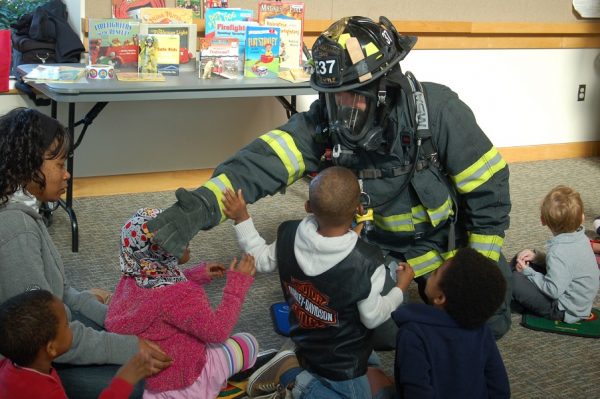
firefighter with kids

2. Calling 911

Children as young as 3.5 years can be taught to dial 911. It is crucial you integrate this safety activity into their routine. In some emergency situations, it’s our children that must make the vital call. Such is the case of the fire, a parent’s or a caregiver’s illness, an accident, or other situations.

First, you need to teach the child how to recognize the number. It may take time to engrave the information into their minds, so be patient. If your kid gets bored, take a break.

Have the child know that 911 is an emergency number and they should call otherwise. Tell the kid what are emergencies, and if they are old enough to read, you can write down a list.

Tips:

  • Use tracer pages to create a page with 911 or your mobile phone number.
  • Make a 911 banner and display it near the phone.
  • Place a sticker with 911 on the phone case.

kid making a call

3. School bus safety

This is one of the safety activities that that help children comprehend and discuss the issues associated with riding a school bus or any type of vehicle. Simulating how they ride a vehicle in a safe manner will also develop the kids’ social and language skills.

This is quite a fun activity, as the children will enjoy making they own unique school bus. You need a few things before getting started:

  • A few chairs;
  • A few seat belts;
  • A steering wheel or something similar;
  • A large appliance box.

Cut the box to make room for the “doors” and place the chairs in. First, demonstrate the correct way to enter a vehicle safely and how to put on a seat belt. Invite the young ones in the “car” and attach the seat belts. While in the “car”, you can recite poems or sing travel songs as a way to make the whole experience more pleasant and relaxing.

Then, have the children show what they have learned from you. Have them place the seat belt on their own or have them bring a doll and secure the seat belt for it.

Other matters that must be discussed are: why we should not be standing while riding a vehicle, why we must not leave the seat while the car is still moving, or why it is important to listen to the driver’s instructions.

 

kids getting off school buskids getting off school bus

4. Stop, drop, and roll

This is yet another fire safety activity that is taught to people of all ages. It is a good way to develop the child’s gross motor skills. Before hands, talk with the kids about the precaution measures we must all take to keep ourselves safe from danger. Don’t be too graphic about the consequences because children can get too scared.

This technique involves three steps that a person must do in case of fire:

  • Cease any movement;
  • Drop to the ground, covering their face with their hands;
  • Roll on the ground to extinguish the fire.

You can teach the kids these actions in a fun way. Take them outside if the weather allows and bring a device to play music. Turn on the music and practice the drop and roll with them a few times. Children will enjoy the exercise, and they’ll learn a crucial technique in the process.

Gather them around and let them know what the “stop, drop, and roll” technique is used for. Explain why we must go through all these steps to prevent getting burned in case of an emergency when our clothes catch fire.

This activity can be combined with others, such as learning how to dial 911 for help.

kids performing stop, drop, and roll safety activities

5. Poison prevention

Young ones are curious by nature, and they will always see things that may appear tempting but in reality, they are dangerous substances. Cleaning products or certain medicines are easily reachable by kids, and we must teach them what they are for and why they should stay away from these items.

Children as young as three can learn what is safe and what is not. They are capable of recognizing uneatable, dangerous products by sight. This is why we must take advantage of their clever minds and teach them how to prevent an accidental poisoning event. Instruct children to ask an adult first if it is OK to consume an item.

A good way to teach your kids what is unsafe is to mark dangerous products with the letter X. Then, have your children draw Xs on the products they feel are unsafe. It’s a good way to test their understanding and teach them responsibility.

IMAGE SOURCE: 1, 2, 3, 4, 5

How to Create a Good Network Disaster Recovery Plan

You may have heard of companies which invest in a network disaster recovery plan (often abbreviated to network DRS or simply NDRS), and wonder what that is. As mentioned in our main guide on disaster management, there are two main sides to disaster recovery and management. First of all, there is the human side of handling an emergency or disaster, focused on helping the people in need meet their basic needs (food, water, shelter, emergency medical care, safety and so on). Usually, this side of disaster relief work is handled by both governmental agencies (like FEMA) and non-governmental organizations.

Network disaster recovery plan

The second side to handling a disaster or disruptive event, whether it is a natural one or a man-made one, is meant for protecting businesses, companies or institutions and allowing them to continue their activity. For institutions and state infrastructure, the FEMA (Federal Emergency Management Agency) handles the steps involved for emergency management and disaster recovery. For private companies and businesses, a blend of state services and private services acts to protect their activity and help them recover faster. This is known as a Business Continuity Plan (usually offered by companies specializing in this), and disaster recovery is a smaller part of that, dealing specifically with the recovery of the IT systems of the company.

Even more specifically, the part of disaster recovery services that deals with networks and getting them back online is called network disaster recovery. The main thing you need to know about a NDRS is that no matter the size of the company you work in (or have), you probably need one. Nowadays, there are probably very few business activities (if there are any) which don’t rely heavily on information systems. This means that most of your activity logs and sensitive data, not to mention your entire collection of company records, policies, procedures and know-how are stored within your company’s network, and when a disaster strikes and damages it, your entire operation is threatened.

Network disaster recovery plan

Services which offer you a network disaster recovery plan and help insure your data and systems (through cloud storage backup and through expert assistance on resuming activity) are more and more popular. But signing up for one of these service packs isn’t enough to protect your IT systems: first, you need to assess by yourself (maybe with some external assistance, though), and set the foundation for your network disaster recovery plan. Here is how.

How to Create a Network Disaster Recovery Plan

In order to end up with the perfect network disaster recovery plan, you need to follow these basic steps:

  • Get a consultant from a disaster recovery service to help you identify your main vulnerabilities in your IT system;
  • Write down the main assets or priorities that need to be protected first and foremost. The few features without which your business’s whole activity could not function (or could not be streamlined). No external specialist can do this for you, since you are the one who knows your activity best;
  • Take a look at an example of a network disaster recovery plan template for inspiration, any sample you can usually find online goes. Most likely, your disaster recovery firm will handle the creation of the official version of the plan for you, but you need to have an idea of how one looks beforehand. This will allow you to revise the first two points of this checklist of steps, if you’ll realize it’s necessary (the part with the main priorities of your particular business activity, and the part with your main vulnerabilities);
  • With the help of your network disaster recovery consultant, create the actual version of your final network disaster recovery plan. Set the protections in motion and rest better at night from now on, considering that no matter what may come your way, your business continuity is insured in its most important aspect.

The Main Services You Should Consider for Your Network Disaster Recovery

There are plenty of services which provide companies small and large with disaster recovery for their IT systems. This type of service is actually becoming more and more popular, with the biggest software and cloud storage companies competing for the attention of business owners who are looking for the best network disaster recovery plan for their business.

Network disaster recovery plan

Here a very brief list of the main service providers in this niche. Take a look into their offers, if only to get a better idea of what to expect from the actual provider you will eventually opt for.

1. Microsoft Azure

The Azure service from Microsoft is considered by many to be the ultimate network disaster recovery plan, provided by some of the best specialists in the field. Few backup infrastructures match the highly advanced preparedness of Microsoft, and their personalized plans for each client offer targeted and immediate response to any cyber-threat or disruptive event. You can find out more about their services here.

2. Bluelock Recovery Solutions

The network disaster recovery plan from Bluelock promises an almost seamless resuming of your activity in case anything happens to your IT systems. Few other service providers can make – and hold – a similar promise, and based on how their popularity, they seem to be keeping their promise pretty well. You can read up more about their service here.

3. VEEAM

This next service on out top 5 list is provided from VEEAM. Official reviews for VEEAM praise it for their instant fixes and affordable rates, and their special self-restore portal for application owners is also highly appreciated. See more about their range of services here.

4. SunGard’s Disaster Recovery Service

One of the best things about SunGard is that they offer many kinds of different network disaster recovery plans and service packs. Their case studies and extra resources and data which back their figures and claims are also impressive. You can see more about their multiple service packs here.

5. Acronis Disaster Recovery

The full service from Acronis has a few impressive features that convince many business owners to sign up for their network disaster recovery plan. They use a hybrid cloud backup system so that your data stays safe even if a disaster were to hit both you and them at the same time, and they also offer wider business continuity solutions beyond the disaster recovery side. You can read up more about the Acronis services here.

Image sources: 1, 2, 3.

The IT Disaster Recovery Plan: Everything You Need to Know

You may have heard of business recovery or business continuity plans, or of the IT disaster recovery plan as mandatory forms of planning ahead for businesses everywhere. As more companies, businesses and institutions are becoming more and more reliant on information technology (IT) systems and the virtual environment, this reliance makes them both more potent and more vulnerable. While computer use has dramatically enhanced the productivity of businesses everywhere, especially as computers themselves have become more and more powerful over the years, this reliance on IT systems also means that minor disasters can lead to major halts in activity. Lack of access to IT systems, or, even more dramatically, a permanent loss of data due to a disruptive event can mean the termination of all activity for many businesses, organizations and institutions alike.

IT Disaster Recovery Plan

That is why procedures and back-up plans such as the Business Continuity Plan (BCP) and the IT Disaster Recovery Plan (DRP) are crucial forms of insurance for any organization, company or business, no matter how large or small. We will walk you through everything you need to know about the difference between a BCP and a DRP, as well as how to start planning in order to outline the recovery plans your company should have and develop them in no time.

1. What Exactly Is an IT Disaster Recovery Plan and Business Continuity in General?

Many people who are just starting to hear of an IT disaster recovery plan or backup procedures for disaster recovery think all the terms involved are more or less referring to the same thing. In order to help your understanding of these terms and the difference between them better, first we should define them. According to its official definition, a Business Continuity Plan is the wider aspect of this type of insuring process, containing all the backup plans for the management and restoration of the types of activity necessary for the functioning of a business or organization, from manufacturing to quality control and so on. These components may include a Business Resumption Plan, an Incident Management Plan and so on; in short, everything which the organization may need for its post-disaster reconstruction and the resuming of its activity.

For example, a hospital will of course rely on computer systems for managing their patient database and documentation, but they will also need to manage the disruptive event, get supplies delivered to vulnerable patients in due time, restore the entire area’s security and so on. All institutions and organizations dealing with human lives (basically any company whose employees work in an office) will have first and foremost the concern and responsibility of dealing with their living assets (the human resources) and only then handle the IT system and activate its disaster contingency management plan, the network recovery protocol and so on.

This means that out of all the aspects of a BCP, the IT Disaster Recovery Plan is only a small part of the entire planning involved, and refers strictly to the recovery of technology, as opposed to the whole of BCP who deals with the recovery of business operations. Some online resources propose a debate regarding the use of a BCP vs. the use of an IT disaster recovery plan, but it is an issue falsely put, since the latter is just a smaller part of the first.

IT Disaster Recovery Plan

2. Developing an IT Disaster Recovery Plan Template for Your (Small) Business

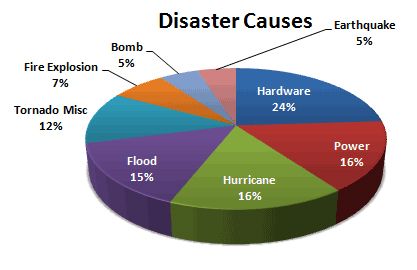
According to official data provided by FEMA and by the Disaster Recovery Institute, the businesses and organizations which have developed a proper IT Disaster Recovery Plan have survived unfortunate events much easier than the ones who postponed it. These disasters which can strike may not even be news-worthy, but prove to be quite fatal to your business, and therefore they prove to fully merit the name of disasters. A natural disruptive event like a small flood or a power strike at precisely the wrong moment can have fatal consequences for your server or servers, for your highly specialized software, or even for your physical technology infrastructure.

Since all businesses and organizations are unique, you need to come up with your own personal plan of insuring your company against the occurrence of disruptive events. A personalized IT Disaster Recovery Plan can be better developed with the help of professionals who offer the recovery service itself, but you can also take a look at various free samples found online in order to get a better idea of how most templates for an IT DRP look like. As far as a good DRP sample goes, we like this template best, but you can find similar examples online, in various formats (Word document or PDF). Don’t worry, all the steps are explained as if for dummies, so going through them will be quite simple.

3. Getting Help from a Disaster Recovery Company

After you get a better idea of what an IT disaster recovery plan is supposed to be, it’s time to start creating it. Your end purpose should be to write a main doc which will then be integrated as part of the company’s policy, and applied to every step of your company’s backup actions. It’s easier to save up on data if you make frequent saves and so on; the same principle applies here, only for the much wider scale and purpose of macro IT disaster recovery. After you finish writing this document which, for the most part, will highlight your company’s priorities and things which are most crucial to protect, you will then show it to the service firm that will handle your disaster recovery and backup.

IT Disaster Recovery Plan

Usually, such companies provide more than just server backup on their info center and the protection this ensues, but they will explain more in the walkthrough you will schedule. The main vulnerabilities of your IT system and technological operations will be identified, and you will create together a checklist of simple steps for your IT disaster recovery plan. Then, you will probably also proceed with the application of a test that will identify how your system will react in case of a threat, so you can protect it further.

Some suggestions of services you can start looking into are these:

  • VMWare disaster recovery;
  • Oracle’s IT disaster recovery plan;
  • Dilbert disaster recovery;
  • HIPAA;
  • ITIL;
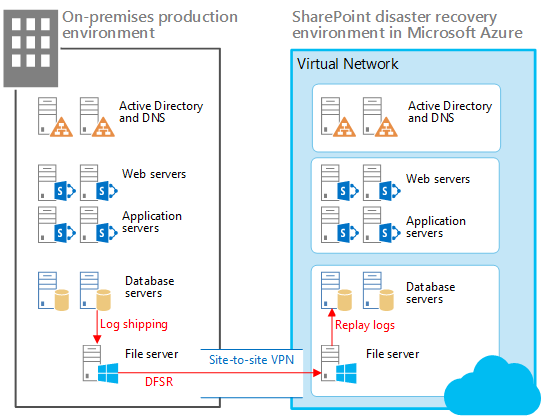
  • SharePoint Disaster Recovery (developed by Microsoft);
  • NIST;
  • SQL disaster recovery.

Last, but not least, don’t forget to check out the Department of Homeland Security’s own guide on creating an IT disaster recovery plan.

Image sources: 1, 2, 3.

All You Need to Know about Disaster Response Services

When disasters and, generally speaking, disruptive events occur, people respond to the threat and contain it the best they can. The official terms surrounding disaster management (like disaster relief and disaster response) often vary and people confuse them or use them interchangeably, but there is actually a pretty strict delimitation when it comes to all sides of this support process.

Disaster Response Services

Here is a brief overview of how the various sides of disaster management work and intertwine:

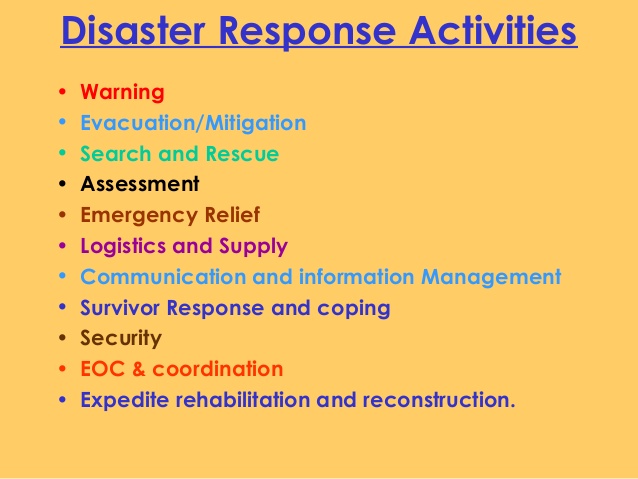
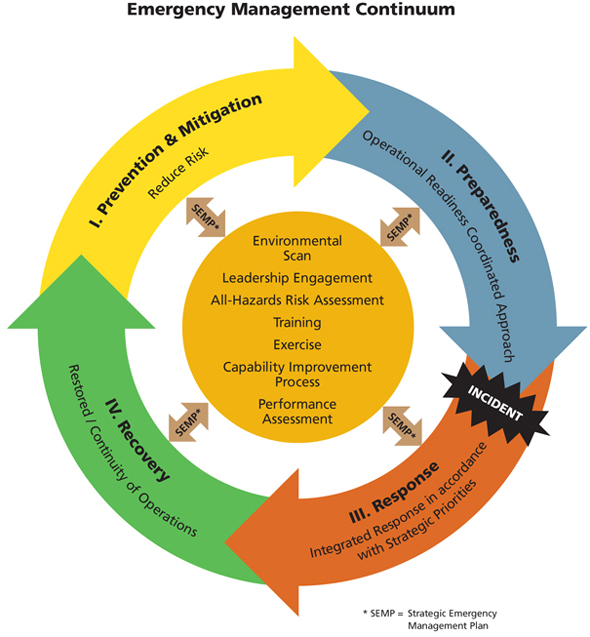
  1. Disaster Management – this is the widest aspect, referring to the entire cycle of emergency management;
    1. Emergency Planning – this phase refers to identifying risks before the disastrous event even occurs
    2. Disaster Response – the second phase of the cycle, comprising immediate assistance services, such as search and rescue, distributing supplies, providing emergency medical care and so on. Also called disaster relief by some.
    3. Disaster Recovery – the last phase of disaster management, taking place after the immediate emergencies of the second phase have been dealt with. This phase focuses on making sure the affected lives return to normal as fast as possible.
  2. Business Continuity – this part focuses on disaster recovery for businesses, ensuring that companies affected by disasters can pick up their normal activity as fast as possible and that the temporary disruption doesn’t prove to be the end of the company as well.
    1. Disaster Recovery Services – a sub-set of business continuity, this part of a BCP (Business Continuity Plan) focuses mostly on IT system and the protection of virtual protocols and data.
    2. Business Contingency Management – a post-disaster set of plans and activities, destined to make businesses more resilient and able to cope with future disruptive events (preparedness training).

Disaster response, therefore, is an emergency stage of activities destined to bring some relief to those affected by a disaster, and is one of the main focuses of humanitarian actions and organizations everywhere.

Disaster Response Services

Disaster Response Jobs and How to Get Involved

If you’re tempted of getting involved more into disaster response activities, first of all we need to congratulate you for your noble intentions, and second of all, to provide you with an overview of how to start. Before looking for opportunities on how to get involved, you need to decide how much time you can dedicate to this: do you want to be involved on and off, as a volunteer, or do you want to make an actual profession out of it?

If you want to get involved as a volunteer, you can do this on a low-key mode, with your local emergency response team (every area has one, so do a quick search and you should be able to get in touch with your local emergency management force in no time). There are also the major international organizations who are always looking for more volunteers to join their operational forces. We will give you more details about what the best humanitarian action organizations are and how to get in touch with them and see what you can contribute with, in the section below.

As for disaster response jobs and careers, this side of the intervention field is also full of opportunities. Since people working in disaster response are basically super-heroes, trained to not only do their job flawlessly, but also do it under considerable time pressure and without all the usual tools and props, serious certification is required. Usually, the certification one needs in order to be a licensed emergency management team member comes from FEMA. This government agency also provides the training required for the major specializations needed. Here are just a few examples:

  • Medical emergency response staff (nurses and field doctors);
  • Bomb alert engineers;
  • Data backup scientists;
  • Communications officers;
  • Search and rescue team members (including firefighters);

You can find out more about the training offered by FEMA’s Emergency Management Institute (EMI) here.

Disaster Response Services

A Few Disaster Response Organizations

Humanitarian and disaster relief organizations are active all over the world, and the international ones usually focus more on the countries where the government lacks the resources to provide proper disaster response on its own. Since most acts of disaster response are aimed first and foremost at meeting people’s most basic needs, and therefore a central government that isn’t able to help the people affected by disaster really needs all the help it can get. The most important thing about disaster response, though, is that it’s always an organized and systematic activity, no matter who is the central authority behind the organization (either a national government or an NGO). There can be spontaneous interventions for disaster response, but they are usually on a local neighborhood scale and will either fizz out or become part of a larger scheme.

Without further ado, here are the major disaster response organizations you should know about:

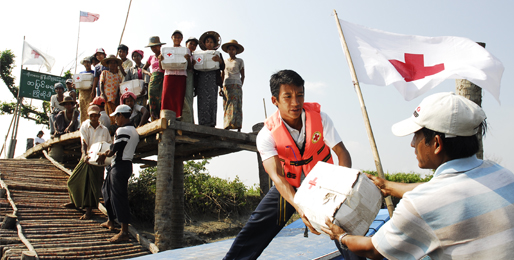
  • The Red Cross – The Red Cross is an international organization with a strong presence in its U.S. branch, so basically whenever natural disasters have struck us in the past few years (tornados, hurricanes and floods), the Red Cross has provided a huge relief for those affected. Find out more about how you can get involved here.
  • The United Nations (UN) – Another great international organization that handles very varied types of disaster response and humanitarian work, besides various other responsibilities in diplomacy and so on. The UN also has some pretty high-end emergency management jobs for those of you who already have experience with humanitarian work and emergency relief coordination.
  • The Catholic Relief Services – One of the most important Christian organizations present in the U.S., the CRS welcomes all kinds of volunteers for their wide array of humanitarian actions, beyond disaster response (donations, doing some hunger relief actions from the charity fund and so on).
  • The Lutheran Disaster Response (LDS) – The other major Christian organization that provides disaster response nationally and internationally, the LDS welcomes plenty of volunteers and professionals altogether.
  • World Renew (WD) – One of the most active organizations in the field of disaster response and humanitarian work, WD has a very complex layering of projects and activities in which you can get involved with.

Last, but not least, if you’re willing to try going abroad for a disaster relief work experience, the first step you should make is to read this guide on what skills you need and where to start. Good luck!

Image sources: 1, 2, 3.

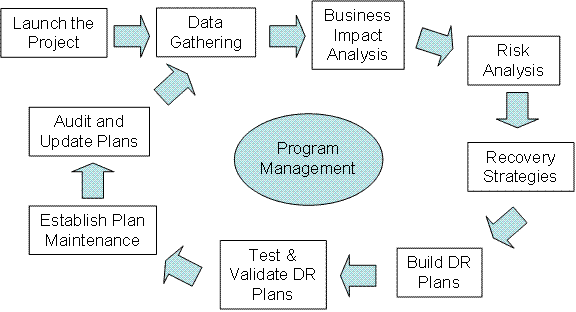
What Is Disaster Recovery and What Can You Do Yourself?

In case of a natural or human-induced disaster striking an area, the fast recovery from the unfortunate event is a priority for everyone. The recovery must optimally be realized with as little human and financial costs possible so that the area can resume its previous state and even be better prepared and less vulnerable to similar future events. So, what is disaster recovery as officially defined and provided by various services and organizations? There are two main sides to this recovery: the humanitarian part, referring to people and communities and which is usually known as disaster relief, and the part focusing on ensuring the survival and continuity of a business, usually known as disaster recovery.

What Is Disaster Recovery

Sometimes, the two terms are used interchangeably, since they aren’t that different in meaning, but for the sake of differentiating between the two types of disaster management services, a great part of the world has started respecting this distinction between disaster relief and disaster recovery. Our present article will focus on clarifying the disaster recovery aspect for businesses, and also, address some FAQs about disaster recovery along the way.

What is Disaster Recovery?

Disaster recovery can be defined as a set of procedures and policies set in place in order to ensure the continuance of infrastructure (and/ or of business activity) in the aftermath of disruptive events. The more the world came to rely on technological infrastructure, the more we started to realize how vulnerable we would be left in case this infrastructure failed, and since the 70s, disaster recovery systems have been specifically created to assist with this issue.

Since disaster recovery focuses first and foremost on ensuring the restoration of IT and technological infrastructure and data, it represents only a subset of the more general business continuity systems. These comprise of a vaster array of policies which ensure other aspects required for an activity to be resumed (finding alternate office space, financial recovery from damages and so on).

Disaster Recovery

As businesses started realizing their huge dependence on IT technologies (and especially since internet speed and real-time response became an integrative part of almost any business), services which offer disaster management and recovery have become more and more popular and needed. So, what is disaster recovery from this point of view, of commercial services marketed and offered to IT-reliant businesses? Usually, all service providers specializing in disaster recovery for businesses offer this:

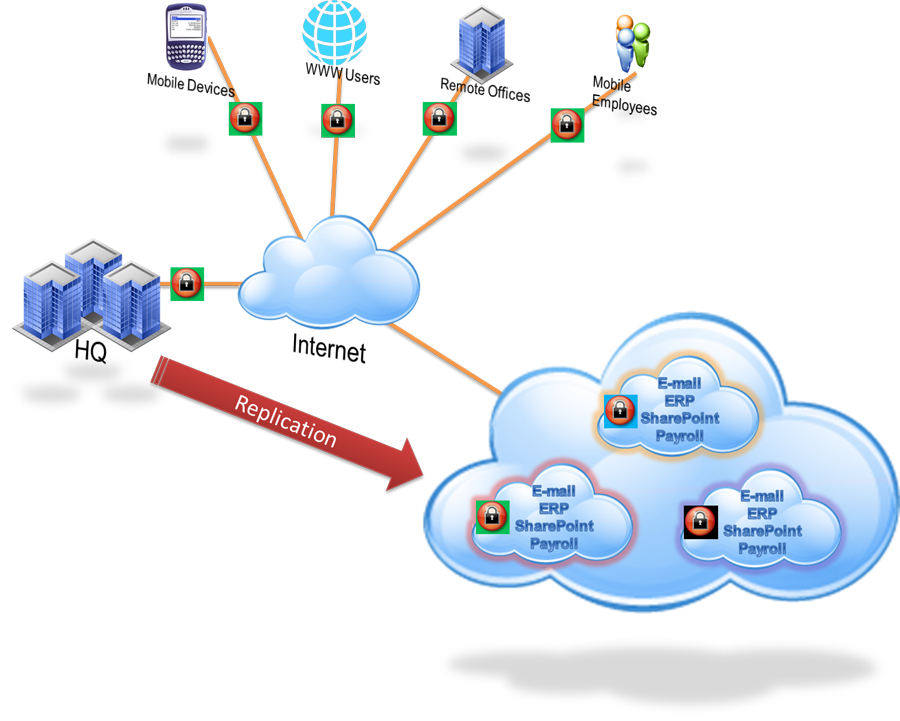
  • Full cloud storage and online backup for your business information, data, sensitive data like login details and company track records etc.;
  • An initial evaluation of the risk your business faces in case of disaster and tips on how to minimize that risk;
  • A disaster recovery plan to be activated in the wake of a disruptive event, prescribing the client (the business trying to protect itself from disaster) the steps to follow for continued functionality and on to a full recovery;
  • The availability of limited office space and computer systems to allow the affected business to resume its activity at least partially until their workspace is restored;
  • A cyber security diagnostic in case the disaster was not caused by a natural event (like an earthquake or a tornado and so on), but by a specific cyber-attack which led to a potentially dangerous breach;
  • Various service packs offering increasing levels of assistance with the aftermath of the disruptive event.

What Is Disaster Recovery

Disaster Recovery FAQs

1. What Is Disaster Recovery for Businesses Beyond the Backup Service?

Initially, disaster recovery service providers focused mostly on cloud storage backup, but today’s service packs offer much more than that. First, they diagnose the specifics of the business that is trying to protect itself from disaster, then they formulate some options and service packs adapted to suit the needs of that business. This can include everything IT-related, like ensuring a preservation of layers of access according to the company’s hierarchy and so on, but also non-IT services. Such non-IT services can include the provision of office space and minimal infrastructure required for the business to get back into work, even if for the time being the company is still dealing with the aftermath of disaster and its actual office space and work environment and compromised.

2. What Other Aspects of Disaster Recovery Should I Consider as a Business Leader?

You should consider disaster recovery beyond the simple aspects of cloud storage, as well as depending on the specifics of the business you are running. After all, what is disaster recovery if not a tailored approach meant to get your company back in business as soon as possible? A few general ideas useful to all businesses would be these: increasing the security and diminishing the risk of data loss, protecting both your physical and virtual assets with the help of comprehensive insurance, and creating reliable procedures for getting back on track as fast as possible.

3. What Is Disaster Recovery as Business Continuation and What Services Should I Look Into?

As mentioned above, disaster recovery confined to IT and cloud backup is but a small aspect of protecting your company and ensuring your business continuation. This second concept is a more loosely defined set of services and measures, impossible to pin down because the nature of each business can be drastically different and, therefore, the business continuation plan must be adapted to each individual case. There are usually three levels of a sound business continuation plan:

  • Resilience: the purpose of these measures is to minimize the damage and ensure that the business activity can continue up to a certain point in spite of the disruptive event;
  • Recovery: the purpose of these procedures is to ensure a fast recovery of the degree of functionality lost in the disaster and bring the activity back to full capacity;
  • Contingency: Ensuring that the people and the infrastructure of the business become more flexible and able to cope with unforeseen aspects of whatever disruptions and disasters may come. This third layer of measures and procedures is meant first and foremost to deal with the potential inadequacy of the first two (the resilience and recovery plans and measures). To increase the effectiveness of contingency, this part of the business continuation strategy must also include the thorough testing of the other parts of the plan.

What Is Disaster Recovery

What Can You Do Yourself For a Better Disaster Recovery?

First of all, as a business owner or leader you should try to familiarize yourself as much as possible with the actual risks you are facing in case of the various types of disasters which can strike your business. Identify your potential losses and this way you will know exactly what your protection priorities should be. If you’re not sure how to identify security risks yourself, don’t worry: it’s quite common to enlist the services of a disaster recovery consultant in this stage of planning.

The bottom line is to start asking yourself not simply ‘what is disaster recovery?’, but increasingly ‘what should my business recovery plan contain?’ Consultants from the recovery service provider you will hire can only help you with the technical details you may not be aware of, but only you can intimately know the priorities and vital functions of your business, so you are in the end the most qualified planner for your business continuity.

Image sources: 1, 2, 3, 4.

  • « Previous Page
  • 1
  • …
  • 4
  • 5
  • 6
  • 7
  • Next Page »

5 Safety Tips You Need To Know If You Live Near A Nuclear Power Plant

image source: pixabay.com When purchasing a home, there a lot of things to consider. What area of the United States do you want to live? Do you want to be in the country or in the city? Are you going to rent or own, and will it be an apartment or a house? If you […]

Tornado Warning VS Tornado Watch: What You Need To Know

When it comes to severe weather, nothing is as devastating as a tornado when you consider the inch to inch devastation. Tornados often possess stronger winds than hurricanes, and due to the cyclone shape of a tornado, it increases the damage potential. Tornados are also especially dangerous if you are in its path. A single […]

Long Term Water Storage: The Ultimate Guide

While you hope that a calamity like a water shortage or other emergency will never befall in your lifetime, it is always important to be prepared for the worst while hoping for the best. One of the most important aspects of emergency preparedness is ensuring you have a sufficient stockpile of water to get you […]

10 Best Filter Water Bottle Brands To Use During Emergencies

If there is one thing that all hikers and outdoor enthusiasts have in common, it’s that they all agree you should never blindly drink out of a natural water source. That’s because the unfiltered water, although fresh and natural, contains harmful bacteria and waterborne parasites that would likely go undetected by taste alone. With a […]

14 Deadliest Natural Disasters of All Time

What are the deadliest natural disasters of all time by death toll? Which type of deadliest natural disasters has the greatest death count? More importantly, what are some ways the population was affected by those disasters? Were there things that people did to worsen or better the effects of mother nature angrily smashing her surroundings? […]

4 Frostbite Symptoms And How To Treat Them

With the onset of winter comes the risk of getting frostbite. With all of the outdoor recreation that’s available to us in the winter, it is important to learn how to protect ourselves. Knowing the signs of frostbite in the early stages can help you to avoid permanent damage to your skin and underlying tissues. […]

Fire Escape Plan for Your Family: Our Complete Guide

No one ever thinks a tragedy will happen to them. We see events on the news all the time such as accidents, home invasions, and house fires. We rarely plan for these things because we never think that we will be in such a situation. If you do one thing this coming year, whether you have […]

10 Tips for Living Through Power Outages

Most of us don’t think of power outages until we’re searching for flashlights or candles in the dark. Some think the light on their cellphone will be good enough to make it through power outages. That might work if power outages happen only when your phone is already fully charged. But, what about being prepared […]

How To Tell If A Snake Is Poisonous: Your Ultimate Guide

image source: Pixabay Have you ever been startled by a snake in your yard? Snakes are among the most misunderstood and feared animals on the planet, mainly because of the poisonous and potentially deadly bite a snake can inflict on its target. The truth, however, is that most snakes in the United States are non-venomous and […]

Copyright © 2026 ·Outreach Pro · Genesis Framework by StudioPress · WordPress · Log in