Disaster Rally

  • Natural Disasters
    • Earthquakes
    • Hurricanes
    • Tornadoes
    • Fires
    • Floods
    • Tsunamis
    • Other
  • Man-Made Disasters
    • Nuclear
    • Pollution
    • War
    • Other
  • Prepare
    • Plan
    • Supplies
  • Disaster Resources
    • Agencies
    • Aid
    • Medical
    • Rescue
    • How To Help
    • People in need
  • Contact
  • About Us: Disasterrally

5 Chernobyl Disaster Facts and Present Situation

The use of nuclear power has been a point of contention for many years. Critics of the use of this energy often cite the Chernobyl nuclear power plant in Ukraine as a prime example of why this type of energy should not be used. The Chernobyl nuclear power plant, located in Pripyat, exploded and emitted radioactive materials into the environment. This event ranks as one of the top catastrophic nuclear events in worldwide history. As well-known as this event is, there may be some Chernobyl disaster facts that you are not currently aware of.

Danger sign at the Chernobyl nuclear power plant
Image Source: Pinterest

1. 200 Tons of Radioactive Material Remain in Chernobyl

Let’s start with one of the Chernobyl disaster facts that are very much worrying to those who live near the power plant. Even after the Chernobyl nuclear power plant explosion, the plant continued to remain in operation. In fact, the last reactor was not shut down until 2000, which is 14 years after the explosion took place. More than that, more than 200 tons of radioactive material are still located inside the power plant, and it may take as much as another 100 years before the power plant is completed decommissioned. Meanwhile, those who live within a very large radius around the facility continue to feel the effects of the nuclear waste material.

2. Far More than 31 Deaths Have Been Linked to the Chernobyl Nuclear Power Plant Incident

When you read media stories about the Chernobyl nuclear power plant disaster, you hear about the 31 individuals who died directly from the explosion and fire during the days the fire burned. These were workers at the plant as well as rescue workers who were the first to respond to the incident. However, the death toll actually far exceeds this number.

The radioactive material that entered the atmosphere has spread far and wide throughout the Soviet Union and surrounding countries. Shortly after the event, 50 emergency responders passed away from acute radiation syndrome. Some sources state that between 9,000 and 60,000 cases of thyroid cancer that have been reported may have been caused by this event. This is a difficult type of cancer to treat, and the total death toll related to this event could tally into the thousands or tens of thousands of people. Other sources state that as many as 90,000 cases of cancer may be related to this event.
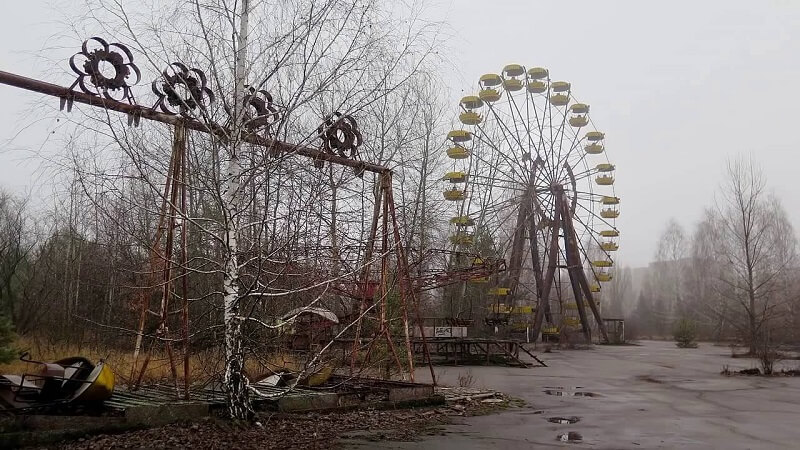
 swings and Ferris wheel near Chernobyl
Amusement park near Chernobyl (Image Source: YouTube)

3. The Worst Man-Made Natural Disaster

The International Nuclear Event Scale rates events based on how devastating and widespread damage is. The Chernobyl disaster is only one of two events that received the highest rating possible, which is a rating of seven. The other event was the Fukushima Daiichi event that took place in Japan in 2011. Both of these events leaked a substantial amount of deadly contamination into the environment. In addition, both have resulted in a significant decline in the interest of building new nuclear reactors in areas around the world. Nonetheless, nuclear sources continue to be used to generate power. It also continues to be a threat to the world population on all continents except for Australia and Antarctica.

4. The Soviet Union Did Not Receive the Bulk of Contamination

You might think that Soviets were the primary victims of the Chernobyl nuclear power plant event. However, this is not the case. It is true that tens of thousands of people were forced to evacuate from their homes while the fire burned. Furthermore, over 500,000 individuals were negatively impacted by the event. However, it is estimated that more than 70 percent of the radioactive contamination material impacted the neighboring country of Belarus.

In Belarus and other surrounding countries, it was common for doctors to advise pregnant women to abort their pregnancies because of the likelihood that the babies would be born with severe birth defects as a result of this event. It is not known how many abortions are related to the Chernobyl event. Many other women chose to avoid trying to get pregnant because of the event. Some sources estimate that more than five million people throughout the region were exposed to the high levels of radiation.

5. The Remaining Radioactive Material May Be at Risk

Last on our Chernobyl disaster facts list, here’s a worrying thought. The Chernobyl facility is in relatively poor condition. The remaining 200 tons of radioactive material at the power plant are located in a building known as the sarcophagus. This building is crumbling and in poor condition.

It is reported that the explosion and fire that took place in April 1986 dispersed more than 100 times the amount of radiation of both the Hiroshima and Nagasaki bombs used in World War II on Japan. Radioactive acid rain from the event fell as far away as Ireland. What’s more, an entire forest located closer to the nuclear facility turned red because of exposure to radiation. This forest is now appropriately known as the Red Forest. The impact on wildlife throughout the region is not accurately known.

Because additional radioactive material located in the deteriorating sarcophagus may be at risk, the global impact of this event may continue to grow if a leak occurs. Nonetheless, some residents have moved back into the affected area because of a few financial incentives offered by the Ukrainian government.
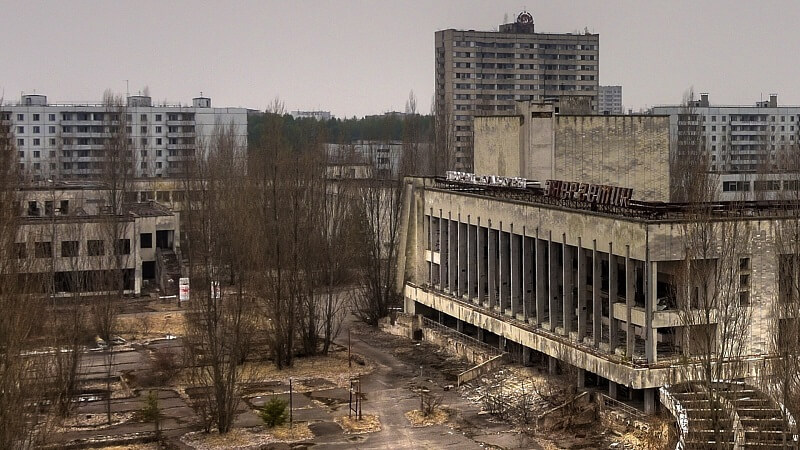
abandoned town of Pripyat
The ghost town of Pripyat (Image Source: Pinterest)

Summing Up

Hopefully, these Chernobyl disaster facts shed light on many questions you may have had. Many people are not aware of the incredible impact that the Chernobyl nuclear power plant disaster has had on so many lives in countries near and far. They are also not aware of the long-term impacts of radiation exposure as well as the continued risk that this facility presents. The unfortunate reality is that nuclear meltdown events that occurred in Pripyat and in Fukushima can occur elsewhere as well.

Knowing these distressing Chernobyl disaster facts, where do you stand when it comes to nuclear energy?
What Causes Wildfires And How To Prevent Them

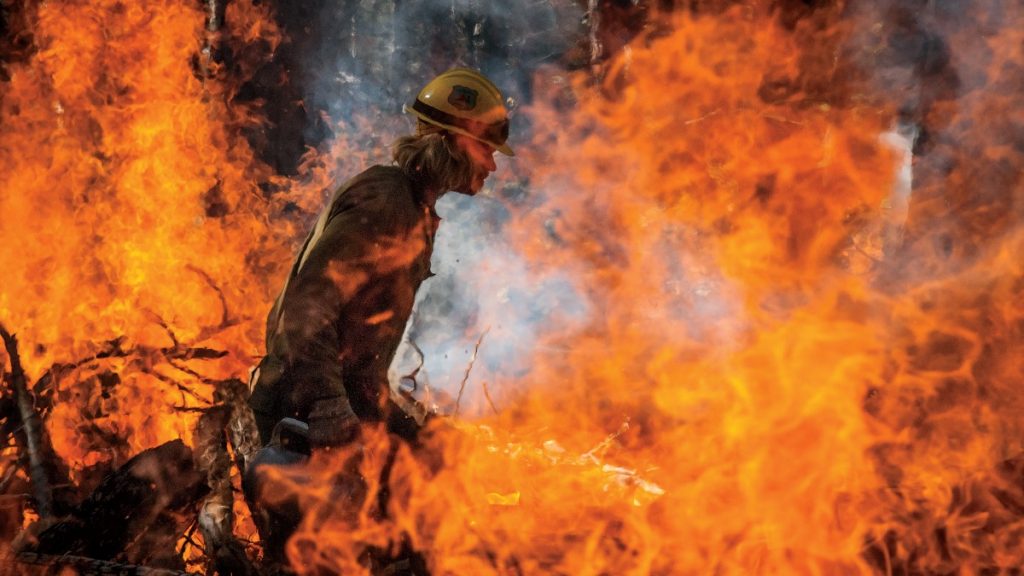
Wildfires are a destructive force of nature that you don’t want to cross paths with. Luckily, there might be a chance to prevent some bursts by knowing what causes wildfires. This is what we’ll be focusing on in the continuation of this article alongside with some solutions.

What Is A Wildfire?

What Causes Wildfire And How To Stop It

Source

Real wildfire isn’t green and able to burn on the surface of water and we should be grateful for that. We say this because they cause enough damage as it is. Wildfires aren’t anything but uncontrollable blazes that have started to spread out on large areas of vegetation. These fires can last for several days straight and they scorch any kind of organic matter in their path.

In the United States, we can talk about approximately 100,000 wildfires starting every year. On an average, millions of acres of land get lost amid the blazes.

For narrower areas, wildfires that mostly affect one particular type of vegetation have their own specific names. We can have forest fires, grass fires, peat fires, or bush fires depending on which type of flora is affected most.

What Causes Wildfires?

Unfortunately, wildfire causes are many and plenty. It doesn’t help that forests and patches with dry vegetation are essentially danger zones. It’s worth noting that wildfires tend to start, most of the time, in areas with dry and hot climates.

Human Actions

Human intervention is what causes wildfires most frequently in the USA. Most of the time it’s because of our indirect actions, though there are some situations where the fire starts with intention. Find below a list detailing what causes wildfires at the hand of any of us.

#1 Campfires

Camping is loads of fun and strumming your guitar while roasting some marshmallows above a campfire can often make the whole experience all the more charming. However, unattended campfires are guaranteed wildfire hazards.

In order to avoid the possible outcomes of a campfire, your first step is ensuring that you’re setting up your tent in a relatively safe area. Igniting a blaze in the heart of the forest with logs and trees all around drastically increases the risk of a wildfire explosion. Moreover, don’t sleep with your fire still lit unless there is someone to watch over it. And don’t forget to put it out when you leave!

#2 Burnings

Many people burn debris and yard junk in order to get rid of it. It’s legal to do so, which should theoretically imply that it’s not dangerous. Unfortunately, at the end of the day, fire is still fire and it can easily get out of hand. Tricky winds may make it bigger and more difficult to keep under control.

If you really have to burn your debris, there isn’t really any way to avoid doing so. You can try to lower the risks of an inferno breaking out by always keeping a source of water nearby. Moreover, it would do to inspect your chosen area beforehand and see that it’s not particularly windy.

#3 Cigarettes

We’ve heard that cigarettes are bad in every possible way. They’re bad for your own health, for the health of people around you, and they’re harmful to the environment as well. When carelessly tossing a still lit cigarette on the ground, you’re turning this harm into a literal business.

Scratch the fact that it’s littering, a cigarette not properly put out can easily develop into a disastrous forest fire.

#4 Fireworks

Fireworks should only be handled by people who know what they’re doing, period. They can cause some serious injuries when not kept under control. And in even worse scenarios, a firework can be what causes wildfires. Always keep your firework shows in open areas with no trees, twigs, figs, bushes, and whatnot around you. Forest fireworks are just a bad idea all around.

#5 Arson

An arsonist sets fire to property, vehicles, and various other things with the express intention of causing damage. Cases of arson amount to approximately 30% of what causes wildfires. There are some people who willingly set fire to their own property and belongings in order to receive damage compensation. We can’t say this applies to forests since they’re public property, so for now we’ll just blame it all on a little bit of… mental instability.

Natural Causes

A human’s action isn’t the only factor that causes wildfires. Mother Nature has a say in all of this as well and, unfortunately, she doesn’t shy away from igniting whole acres of vegetation.

Lightning

Lightning is an extremely dangerous natural phenomenon, but it’s especially dangerous for forests. There is a particular type called “hot lightning” which is known to be the biggest fire-starter whenever a thunderstorm breaks out. Hot lightning can cause sparks that will set its vicinity ablaze, with the flame continuing to burn for a long time and being very difficult to put out.

Heat

During times of extremely arid and hot summer, the sheer power of the heat is enough to start wildfires. This happened in recent times both in the United States and other areas around the world, most notably in Australia.

Wildfire Prevention Solutions

  1. Respect the law. There are specific regulations which refer to the act of burning objects and they also state which substances you are and aren’t allowed to burn. If one particular thing is banned, chances are this is because it’s easily flammable and can accidentally evolve into a wildfire.
  2. Watch weather forecasts before you decide to start any fires, whether it’s burning junk or going camping. Avoid days that are particularly windy and that may pose obstacles in keeping the blaze under control.
  3. Contain your fires. The best example for that is a well-built campfire, which technically doesn’t allow the fire to spread from its source – not incredibly fast, at least. Don’t ever assume that “it won’t happen to you.” Always think one step ahead and ensure you’d be able to easily put out a fire should things go out of hand.


9 Key Facts about Droughts You Should Read About

Here are some useful facts about droughts that you may be interested in knowing. This common natural disaster has an impact on many different aspects of our lives, including environmental, economical, and social impacts. Which is why it is important we get proper information about this so-called “creeping phenomenon”. In this article, we will reveal crucial facts about drought and the water situation in California.

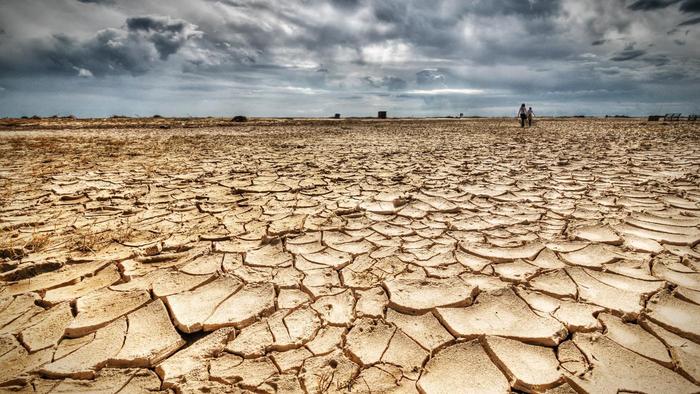
facts about droughts dry land

First things first. Before sharing key facts about droughts, we must answer a few questions:

  • What is a drought? Droughts are a common natural disaster, and one of the worst to occur. It is a lengthy period of time that may stretch up to a few years in which the land experiences a lack of water
  • How do droughts occur? A drought can take decades to fully develop. They are also quite difficult to predict. Droughts occur when there is a prolonged absence of rain. They can take place at any given time. This means that it is not uncommon for droughts to occur during winter time.

9 Facts about Droughts You Should Know

1. There are different types of drought

Although we use “drought” as a general term, there is more than one type of drought.

A socioeconomic drought is the one that affects the humans in a certain society through water shortage. Individuals living in these areas lack access to drinking water and running water.

A meteorological drought can affect a region that is suffering from a lack of rainfall.

The agricultural drought describes areas where people cannot grow crops because of the water scarcity. As a result, the production of foods is affected and it shows in the higher price of crops.

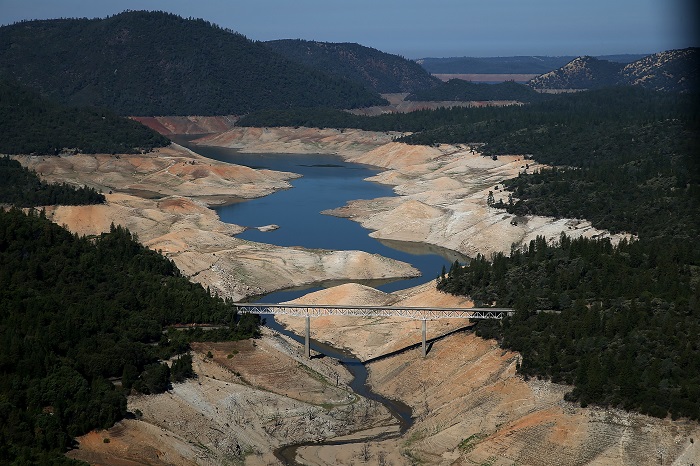
A hydrological drought translates into a low level of water in the lake and the reservoir in an area.

lake oroville california

2. They affect both wildlife and plant life

When extreme droughts occur, wildlife can die. However, most of the animals can still be saved when the drought does not last for too long.

Plants, on the other hand, are more sensitive. If the land starts showing signs of decline, entire crops may stop growing and get destroyed.

The damage caused by drought also reflects in the prices of vegetables, fruits, and other crops. Increased prices are one of the many effects that occur because of this phenomenon.

3. They stand a higher risk today

The risk of drought occurring has actually doubled today. And it is all due to climate change. It affects a wide range of factors associated with drought. It is believed that climate change will particularly increase the risk of two types of droughts: hydrological and agricultural. Scientists believe that increased temperatures will lead to more rain, but lessen the probability of snow and early snow melt, along with increased evaporation and transpiration.

4. There is a pattern

In the United States, droughts are more likely to affect the Midwest and the South. More than 44 percent of California is in exceptional drought. This is the worst level of drought according to the Drought Severity Classification.

5. They lead to hunger and famine

Food crops cannot be supported in these conditions because of the scarcity of water. The grass and grain that farmers use to feed their livestock face the same problem. As droughts reduce or destroy food sources altogether, people in an affected area go hungry. If its level of severity is high and continues over a prolonged period of time, famine is most likely to occur.

6. They influence the Sierra Nevada Snowpack

Speaking of facts about droughts in California, the Sierra Nevada Snowpack is also experiencing an abnormality. Counted on to provide about 30 percent of California’s water supply through the melting of the snow, it is reported that the snow-water content is only 5 percent of normal. Earlier this year, in April, researchers noted that the average snow-water equivalent for California was only 19 inches, which is just 71 percent of normal. In the same month, nearly 90 percent of the state was suffering from some level of drought.

7. They have an impact on our health

Droughts often cause an insufficiency of clean water for drinking, personal hygiene, and public sanitation. This, of course, can lead to a broad range of possibly life-threatening diseases. In a drought, some people may reduce hand washing and other practices as a way to conserve water. This proliferates the spread of infectious diseases such as gastrointestinal illnesses. Since severe droughts can also impact the air quality, the CDC reports an increased risk for respiratory illnesses such as pneumonia and bronchitis.

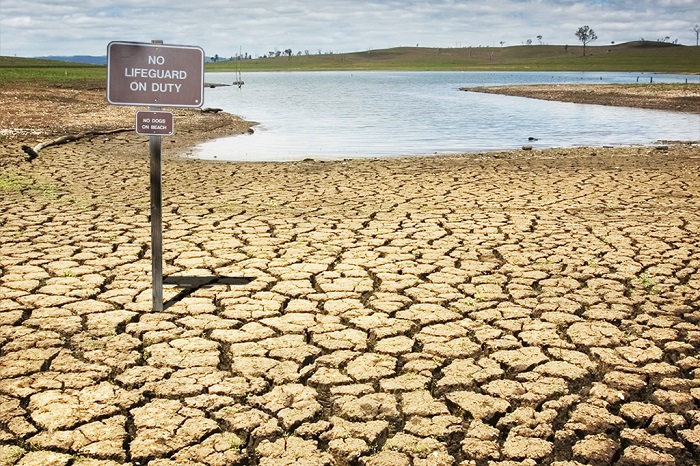
Furthermore, certain mental health effects are linked to droughts. People whose livelihood is connected to water supplies (farmers and horticulturalists) may develop adverse mental health conditions. Financial-related worries can cause anxiety, depression, and other behavioral health conditions.no lifeguard on duty sign

8. There is a link to mosquito-borne diseases

As droughts shrink bodies of water, it becomes stagnant. This offers mosquitoes the perfect breeding ground. Furthermore, the lack of water can change the behavior of the insects and have them infected themselves with diseases carried out by certain types of birds. Consequently, it may lead to outbreaks of St. Louis encephalitis, Eastern Equine encephalitis, and West Nile virus.

9. They lead to desertification

When droughts recur and continue to recur, they can lead to desertification. When desertification occurs as a result of drought, it can produce an incredibly severe ecological catastrophe. The most obvious example would be the Horn of Africa, which has seen recurring droughts.

Drought and desertification are interconnected natural phenomena. Inappropriate human land management in combination with climatic constraints drive land degradation and desertification.  Scientists expect that climate change will aggravate both the duration and the severity of drought worldwide. These conditions will add up to the already fragile drylands. This may accelerate the rate of desertification.

When comparing them to tornadoes or floods, people often do not consider droughts to be such a catastrophic natural phenomenon. However, these key facts about droughts should shed light on the serious consequences they can have. While it may be tough to stop droughts from occurring, we can still try to find ways to manage the situation better.

IMAGE SOURCE: 1, 2, 3

How to Create a Good Network Disaster Recovery Plan

You may have heard of companies which invest in a network disaster recovery plan (often abbreviated to network DRS or simply NDRS), and wonder what that is. As mentioned in our main guide on disaster management, there are two main sides to disaster recovery and management. First of all, there is the human side of handling an emergency or disaster, focused on helping the people in need meet their basic needs (food, water, shelter, emergency medical care, safety and so on). Usually, this side of disaster relief work is handled by both governmental agencies (like FEMA) and non-governmental organizations.

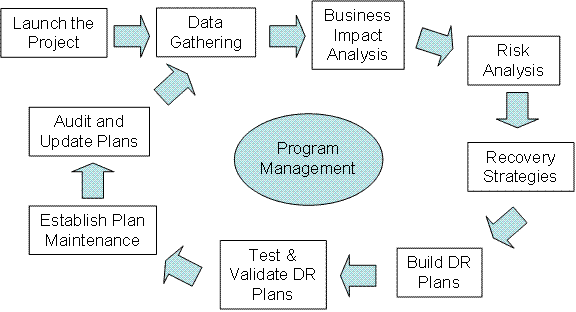
Network disaster recovery plan

The second side to handling a disaster or disruptive event, whether it is a natural one or a man-made one, is meant for protecting businesses, companies or institutions and allowing them to continue their activity. For institutions and state infrastructure, the FEMA (Federal Emergency Management Agency) handles the steps involved for emergency management and disaster recovery. For private companies and businesses, a blend of state services and private services acts to protect their activity and help them recover faster. This is known as a Business Continuity Plan (usually offered by companies specializing in this), and disaster recovery is a smaller part of that, dealing specifically with the recovery of the IT systems of the company.

Even more specifically, the part of disaster recovery services that deals with networks and getting them back online is called network disaster recovery. The main thing you need to know about a NDRS is that no matter the size of the company you work in (or have), you probably need one. Nowadays, there are probably very few business activities (if there are any) which don’t rely heavily on information systems. This means that most of your activity logs and sensitive data, not to mention your entire collection of company records, policies, procedures and know-how are stored within your company’s network, and when a disaster strikes and damages it, your entire operation is threatened.

Network disaster recovery plan

Services which offer you a network disaster recovery plan and help insure your data and systems (through cloud storage backup and through expert assistance on resuming activity) are more and more popular. But signing up for one of these service packs isn’t enough to protect your IT systems: first, you need to assess by yourself (maybe with some external assistance, though), and set the foundation for your network disaster recovery plan. Here is how.

How to Create a Network Disaster Recovery Plan

In order to end up with the perfect network disaster recovery plan, you need to follow these basic steps:

  • Get a consultant from a disaster recovery service to help you identify your main vulnerabilities in your IT system;
  • Write down the main assets or priorities that need to be protected first and foremost. The few features without which your business’s whole activity could not function (or could not be streamlined). No external specialist can do this for you, since you are the one who knows your activity best;
  • Take a look at an example of a network disaster recovery plan template for inspiration, any sample you can usually find online goes. Most likely, your disaster recovery firm will handle the creation of the official version of the plan for you, but you need to have an idea of how one looks beforehand. This will allow you to revise the first two points of this checklist of steps, if you’ll realize it’s necessary (the part with the main priorities of your particular business activity, and the part with your main vulnerabilities);
  • With the help of your network disaster recovery consultant, create the actual version of your final network disaster recovery plan. Set the protections in motion and rest better at night from now on, considering that no matter what may come your way, your business continuity is insured in its most important aspect.

The Main Services You Should Consider for Your Network Disaster Recovery

There are plenty of services which provide companies small and large with disaster recovery for their IT systems. This type of service is actually becoming more and more popular, with the biggest software and cloud storage companies competing for the attention of business owners who are looking for the best network disaster recovery plan for their business.

Network disaster recovery plan

Here a very brief list of the main service providers in this niche. Take a look into their offers, if only to get a better idea of what to expect from the actual provider you will eventually opt for.

1. Microsoft Azure

The Azure service from Microsoft is considered by many to be the ultimate network disaster recovery plan, provided by some of the best specialists in the field. Few backup infrastructures match the highly advanced preparedness of Microsoft, and their personalized plans for each client offer targeted and immediate response to any cyber-threat or disruptive event. You can find out more about their services here.

2. Bluelock Recovery Solutions

The network disaster recovery plan from Bluelock promises an almost seamless resuming of your activity in case anything happens to your IT systems. Few other service providers can make – and hold – a similar promise, and based on how their popularity, they seem to be keeping their promise pretty well. You can read up more about their service here.

3. VEEAM

This next service on out top 5 list is provided from VEEAM. Official reviews for VEEAM praise it for their instant fixes and affordable rates, and their special self-restore portal for application owners is also highly appreciated. See more about their range of services here.

4. SunGard’s Disaster Recovery Service

One of the best things about SunGard is that they offer many kinds of different network disaster recovery plans and service packs. Their case studies and extra resources and data which back their figures and claims are also impressive. You can see more about their multiple service packs here.

5. Acronis Disaster Recovery

The full service from Acronis has a few impressive features that convince many business owners to sign up for their network disaster recovery plan. They use a hybrid cloud backup system so that your data stays safe even if a disaster were to hit both you and them at the same time, and they also offer wider business continuity solutions beyond the disaster recovery side. You can read up more about the Acronis services here.

Image sources: 1, 2, 3.

  • « Previous Page
  • 1
  • 2
  • 3
  • 4

5 Safety Tips You Need To Know If You Live Near A Nuclear Power Plant

image source: pixabay.com When purchasing a home, there a lot of things to consider. What area of the United States do you want to live? Do you want to be in the country or in the city? Are you going to rent or own, and will it be an apartment or a house? If you […]

Tornado Warning VS Tornado Watch: What You Need To Know

When it comes to severe weather, nothing is as devastating as a tornado when you consider the inch to inch devastation. Tornados often possess stronger winds than hurricanes, and due to the cyclone shape of a tornado, it increases the damage potential. Tornados are also especially dangerous if you are in its path. A single […]

Long Term Water Storage: The Ultimate Guide

While you hope that a calamity like a water shortage or other emergency will never befall in your lifetime, it is always important to be prepared for the worst while hoping for the best. One of the most important aspects of emergency preparedness is ensuring you have a sufficient stockpile of water to get you […]

10 Best Filter Water Bottle Brands To Use During Emergencies

If there is one thing that all hikers and outdoor enthusiasts have in common, it’s that they all agree you should never blindly drink out of a natural water source. That’s because the unfiltered water, although fresh and natural, contains harmful bacteria and waterborne parasites that would likely go undetected by taste alone. With a […]

14 Deadliest Natural Disasters of All Time

What are the deadliest natural disasters of all time by death toll? Which type of deadliest natural disasters has the greatest death count? More importantly, what are some ways the population was affected by those disasters? Were there things that people did to worsen or better the effects of mother nature angrily smashing her surroundings? […]

4 Frostbite Symptoms And How To Treat Them

With the onset of winter comes the risk of getting frostbite. With all of the outdoor recreation that’s available to us in the winter, it is important to learn how to protect ourselves. Knowing the signs of frostbite in the early stages can help you to avoid permanent damage to your skin and underlying tissues. […]

Fire Escape Plan for Your Family: Our Complete Guide

No one ever thinks a tragedy will happen to them. We see events on the news all the time such as accidents, home invasions, and house fires. We rarely plan for these things because we never think that we will be in such a situation. If you do one thing this coming year, whether you have […]

10 Tips for Living Through Power Outages

Most of us don’t think of power outages until we’re searching for flashlights or candles in the dark. Some think the light on their cellphone will be good enough to make it through power outages. That might work if power outages happen only when your phone is already fully charged. But, what about being prepared […]

How To Tell If A Snake Is Poisonous: Your Ultimate Guide

image source: Pixabay Have you ever been startled by a snake in your yard? Snakes are among the most misunderstood and feared animals on the planet, mainly because of the poisonous and potentially deadly bite a snake can inflict on its target. The truth, however, is that most snakes in the United States are non-venomous and […]

Copyright © 2026 ·Outreach Pro · Genesis Framework by StudioPress · WordPress · Log in