Disaster Rally

  • Natural Disasters
    • Earthquakes
    • Hurricanes
    • Tornadoes
    • Fires
    • Floods
    • Tsunamis
    • Other
  • Man-Made Disasters
    • Nuclear
    • Pollution
    • War
    • Other
  • Prepare
    • Plan
    • Supplies
  • Disaster Resources
    • Agencies
    • Aid
    • Medical
    • Rescue
    • How To Help
    • People in need
  • Contact
  • About Us: Disasterrally

Community Disaster Preparedness Plan: Keep Your Neighborhood Safe

Community disaster preparedness is a scary sounding phrase. However, we live in frightening times. Political climates around the world are growing tenser each day. Diplomacy seems to be a thing of the past, at least for America. Violent weather events are climbing worldwide each year. The outlook for avoiding disaster is growing bleak in every community. Are you prepared if disaster struck your state? What about the rest of your city? Your neighborhood? Your street?

No one likes to think about the worst that could happen if their safe corner of the world were to be hit by a natural disaster or a human-made catastrophe. The fact is, though, that you’re more likely to survive if you have a community disaster preparedness plan than you are if you’re caught unsuspectingly. The same goes for your neighbors. Together, you could have a real chance at not only surviving but protecting those among you who aren’t capable of protecting themselves. Basically, a community disaster preparedness plan can not only give you and your neighbors peace of mind, but it can also tip the odds in your favor.

Hazard Risk Assessment For Community Disaster Preparedness Plan
Community Disaster preparedness
Image CC by 0, by WikiImages, via Pixabay

First, when developing a community preparedness plan, you’ll want to asses the potential hazards for your area. Research if necessary to reveal which types of natural disasters and severe weather events occur most often in your location. This will help to narrow down the conditions you and your community may need to prepare for. Flooding won’t require the same action plan as, say, wildfires. Decide which type of disaster your community is likely to face, so you know exactly what you need to prepare for.

Potential Hazards

Additionally, natural disasters aren’t the only threat to you and your community. Even if you’re lucky enough to live in an area that is not prone to dangerous weather events, you could still be susceptible to human-made disaster. But also, make sure to consider all the possible types of catastrophe before assuming that you don’t have anything to worry about in your community.

Natural hazards
Community Disaster Preparedness
Image: CC 2.5, by USDA Forest Service, via Wikimedia

Natural hazards are any act of nature. Severe weather events make up the majority of natural hazards for most areas. These can include tornadoes, hurricanes, tsunamis, wildfires, flooding, avalanches, earthquakes, landslides, drought, and extreme freezing or snowfall. An often overlooked natural hazard is an outbreak of disease. Unfortunately, epidemics can catch communities off guard and cause panic and mayhem. Especially at risk in disease outbreaks are children and the elderly, who tend to suffer complications and death when ill more often than adults and teens.

Accidental human hazards
Community Disaster Preparedness
Image: CC 3.0, by FSXIV, via Wikimedia

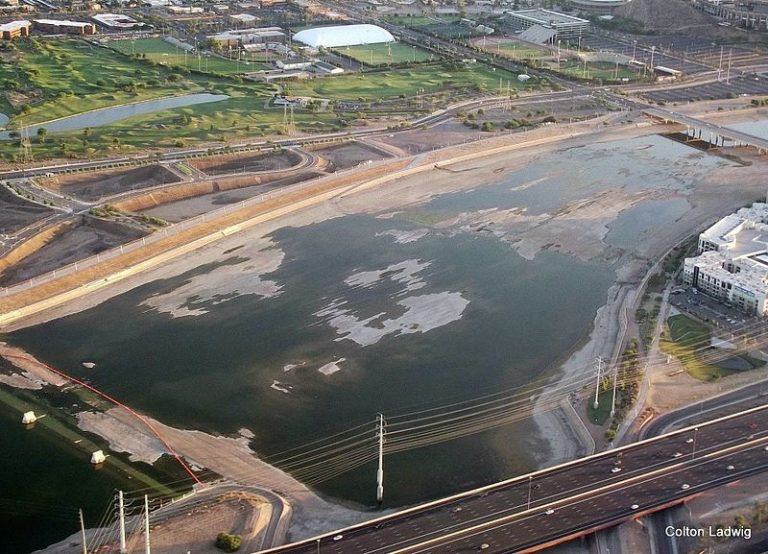
Realistically, sometimes even the most advanced human-created technologies fail. Dams break. Oil or other hazardous materials spill into the environment. Bridges and buildings collapse. Power fails. Trains derail. Mines collapse. Airplanes crash. Sadly, these unlucky events can happen in any community, but some are at higher risk than others. If you live near an oil refinery, a mine, or any business that regularly uses dangerous chemicals, you are especially at risk for accidental human hazards.

Intentional human hazards
Community Disaster Preparedness
Image: Public domain, by U.S. Air Force, Wikimedia

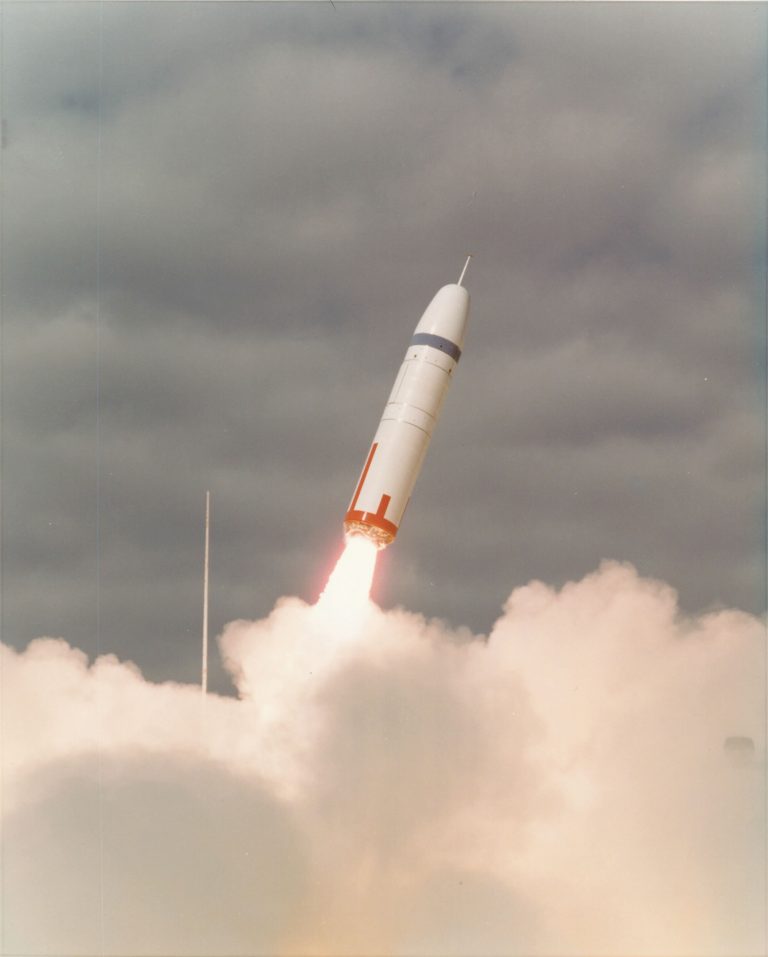
Finally, possibly the most frightening of all potential disasters are intentional human hazards. In today’s world, it feels like nuclear war may break out at the drop of a Tweet. Consequently, if you live in a highly populated area, it’s more likely that your community will be targeted by an enemy attack. These attacks may be nuclear, biological, or chemical. Unfortunately, other intentional human hazards becoming more common include mass shootings in schools, workplaces, and at public events, and cyber attacks. Each of these human-designed hazards will require a different plan for your community to be prepared to respond effectively.

Community Health and Health Resources

Before making a plan, you need to asses the health of your community as a whole. Chances are if you live in a retirement community you will have a lot more potential health problems to deal with than you would if you lived in a small college town. How many senior citizens live in your community? How many children? Babies? Pregnant women? Pay attention to the age range of people who tend to move into your neighborhood. This will give you a realistic idea of how concerned you need to be about general health in the case of a disaster hitting your area.

Once you have an idea of the health level of your community at large, gather information about health resources. Does your community have a hospital? Is one of your neighbors a doctor? Where would be able to find medical assistance if someone in your group was injured or became ill? You will want to have these questions answered before disaster strikes, so you don’t find yourself running around trying to find help when it may already be too late.

 Create a Team

Community Disaster Preparedness
Image CC by 0, by rawpixel, via Pixabay

So far, you’ve got a basic idea of what types of disasters your community needs to prepare for. You then assessed your community’s overall health and health resources. Now, it’s time to get other community members on board. Think about those people closest to you in our community. Select a small group of trustworthy individuals and invite them to join you on their community’s disaster preparedness team.

Assign Roles

Now that you’ve assembled the core members of your community preparedness team, it’s time to assign roles. There is no specific way to divide responsibility among your team. It is essential to make sure that someone is responsible for overseeing supplies, someone is responsible for arranging assistance for the elderly and children, and someone is responsible for communication. It is wise to consider setting up communication hubs with assigned people in other areas. That way if local phone lines become useless, members of your community can check in and update their status to a trusted individual.

Create Goals

Furthermore, once a core community disaster preparedness team has been formed, and fundamental roles have been assigned, it’s time to create some goals. If you never put your plan into action, it means nothing. It’s not necessary to wait for a disaster before you can begin to put your plan into action. By this point, you’ve assessed your community’s hazard risks, community health, and community health resources. You’ve shared this information with your core team, and assigned a role to each member. Now, it’s time to act on your assessments.

Additionally, approach your local businesses and speak to them about disaster preparedness. You’ll want to ask these businesses to be a part of the community disaster preparedness plan. Many businesses are eager to open their doors for shelter for the displaced, or may be able to donate supplies. Set a goal of getting a certain amount of businesses involved, shoot for a certain level of community involvedness, and then it’s time to get the rest of the neighborhood on board.

Recruit

Equally important, after you assemble your team, have set your initial goals and spoken to businesses, it’s time to get everyone involved in your community disaster preparedness plan. Put up flyers, set up a website, or even host an event. Explain to everyone in the community who will listen how vital disaster preparedness is. Educate them on the types of hazards possible in your community and the effects they could have on people, animals, and the environment. Give out checklists for people to make their own disaster preparedness kits. Let everyone know who is in charge of supplies, who is responsible for those who need extra assistance, and who is assigned to communication. This way they know who to look for if a disaster does hit.

Practice

It’s easy to make a plan, write it down, share it, and then forget about it. Practicing is a critical step in the planning. Plan safety drills at least once per year for your community. Then, treat these drill as if they were real disasters. Afterward, assess which areas of preparedness your community showed strength in, and which areas need more work. Share these results to help everyone prepare for the next drill, and for any possible disaster before then.

Pay it Forward

Consider approaching surrounding communities, once you get to the point where you feel that your community has a robust disaster preparedness plan that is being executed well in drills. Keep in mind, smaller communities will need to come together to survive if a large catastrophe hits. Next, share the success you’ve had in your neighborhood, and tell them how you did it. Finally, encourage them to do the same in their community, and offer to help if you can. Everyone will benefit from preparedness in the end.

Disaster can strike anywhere, any time. You don’t want your community caught off guard. Putting a community disaster preparedness plan into place takes a lot of time and effort. But, avoiding tragedy by keeping yourself, your family and your neighbors safe is surely worth it.
 

Featured Image: CC by 0, by geralt, via Pixabay

How to Make A Disaster Preparedness Plan and Safeguard Your Family

It’s difficult to turn on the news without hearing about people’s lives being turned upside down because Mother Nature had a bit of a temper tantrum and they didn’t have a disaster preparedness plan in place. According to surveys, Americans are far more concerned about the possibility of tornadoes, floods, hurricanes, earthquakes, and wildfire than they are about terrorism. For good reason:

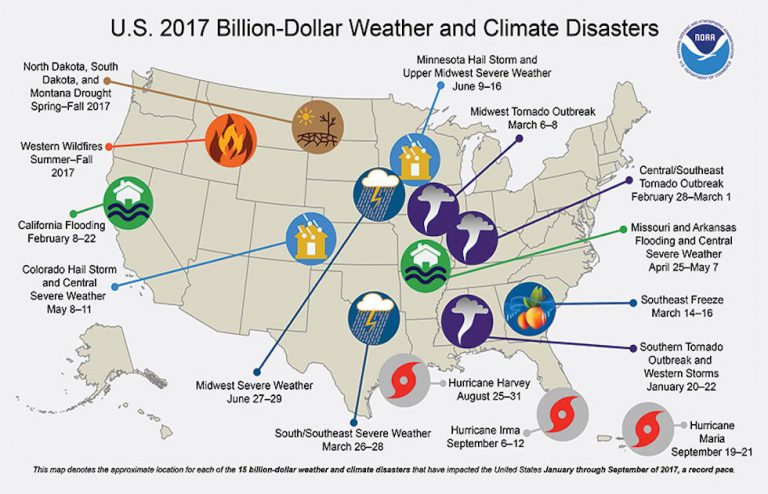
In 2017, natural disasters hit Americans with a bill of at least $306 billion. No matter which side of the climate change debate you fall on, it can’t be disputed that:

  • It was the third-hottest year on record, and for some states, it was the hottest ever
  • Hurricane Harvey broke the record for rainfall from a single tropical storm with four feet of rain
  • Hurricane Rita left Puerto Rico in darkness and killed more than 1,000 people. The island still hasn’t recovered
  • Several states saw record rainfall and many experienced flooding
  • Despite its wettest year on record, California suffered devastating wildfires in both the north and south part of the state
  • More than 5,600 structures, including much of wine country, were destroyed and 22 people died

Still, few Americans have a real disaster preparedness plan. From HealthcareReady.org:

Less than two in five Americans (38 percent) could list all of their prescription details including dosage if they had to evacuate their homes without their medications or medical supplies, down from 2016 (43 percent).

15 percent of Americans reported they could only be away from their medications or medical equipment for two to three days before they began to experience serious effects, while 22 percent indicated they could go a month or longer.

More than half of Americans (53 percent) do not have any emergency preparation plans in place, yet 44 percent are concerned about an emergency happening.

disaster recovery plan
Image: Public Domain via NOAA

Why You Need a Disaster Preparedness Plan

Natural disasters are frightening, but until they’re knocking on your door, they’re easy to shove to the back of your mind. Unfortunately, natural disasters take people by surprise, and nearly half the country is at risk of a natural disaster destroying their home, or worse. There isn’t a state in the union that’s immune from natural disasters. If you don’t have a disaster preparedness plan, you should get one ready now.

Types of Emergency

disaster recovery plan kit
Image: CC 2.0, by Prepared BC, via Flickr

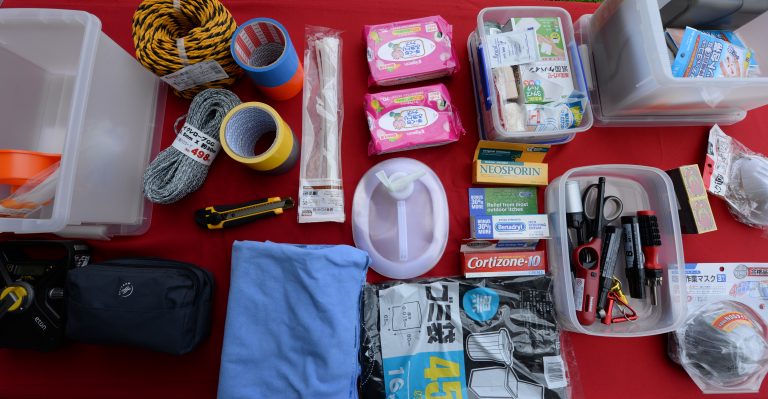
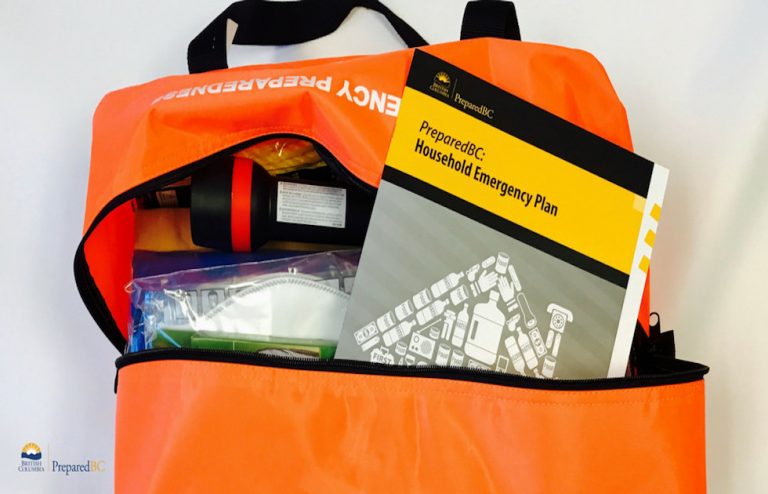
There are several things that should be a part of every disaster preparedness plan, but that doesn’t mean that all plans should be the same. For example, you would respond to a wildfire differently than you might react to a tornado, but in both cases, you need food, water, first aid kits, and medications. All disaster preparedness plan kits should include:

  • Non-Perishable Food (don’t forget food for your pets)
  • Water
  • Batteries
  • Flashlights
  • Blankets
  • Clothing
  • Diapers (if necessary)
  • Toilet Paper
  • Disinfectant Wipes
  • Matches
  • Medical Supplies, Including Prescriptions
  • A Battery Operated or Wind Up Radio
  • A Portable Generator
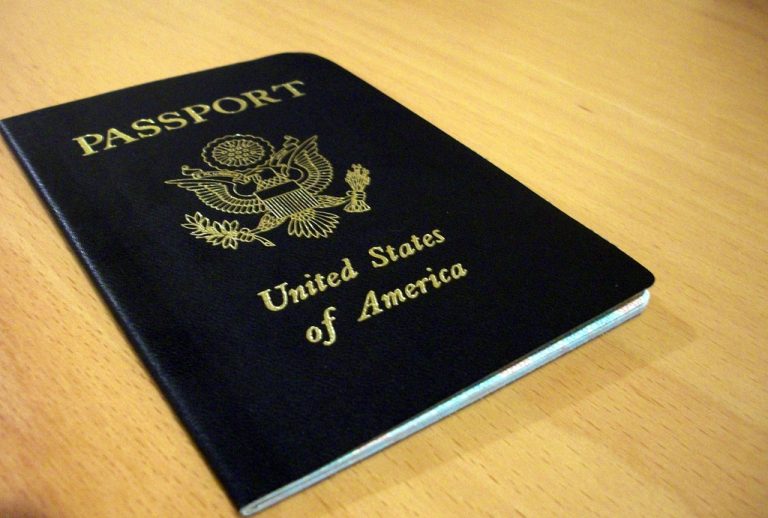
  • Critical Documents like Passports and Social Security Cards
  • Cash

Your disaster preparedness plan should include where to meet in case your family is separated, and you lose cell phone service. Keep a smaller disaster preparedness kit in your car as well.

Run frequent backups on your computers and store a thumb drive with all critical computerized data. You should also consider scanning important photos and including those on the thumb drive.

Earthquake

earthquake disaster recovery plan
Image: CC by 2.0, by Marco Dormino, via Wikipedia

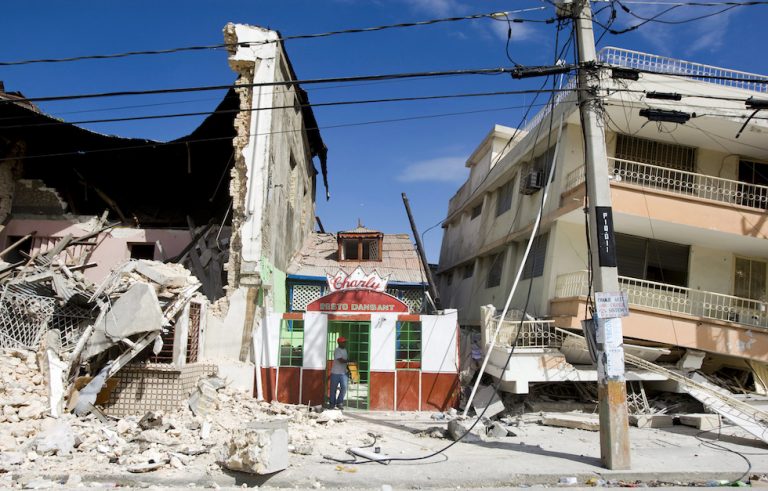
While most people think of earthquakes as just another of California’s quirks, every state in the nation is at risk. Earthquakes can occur any season, at any time of the day, and without warning. They can range from a minor vibration to a devastating shaker that can down skyscrapers and turns homes into piles of rubble. Overall, earthquakes are by far the deadliest natural disasters.

To prepare for an earthquake, secure any items that could fall. Bolt freestanding furniture like bookshelves, and your TV to the wall. Secure hanging pictures and mirrors, especially if they hang over a bed or over a place where people sit. If you can afford it, have a seismic specialist inspect your home and find out where your vulnerabilities are.

Earthquakes are not the time to evacuate your home. Instead, you should learn to “drop, cover, and hold on.” Practice dropping to the floor, finding cover, like under a table or in a windowless room, and wait it out. Be aware that when an earthquake is over, it may not be over. Aftershocks can be as large or larger than the original quake, and they can come hours to days afterward.

Note that homeowner’s insurance doesn’t cover earthquakes. For that, you need to buy separate earthquake insurance.

Hurricane

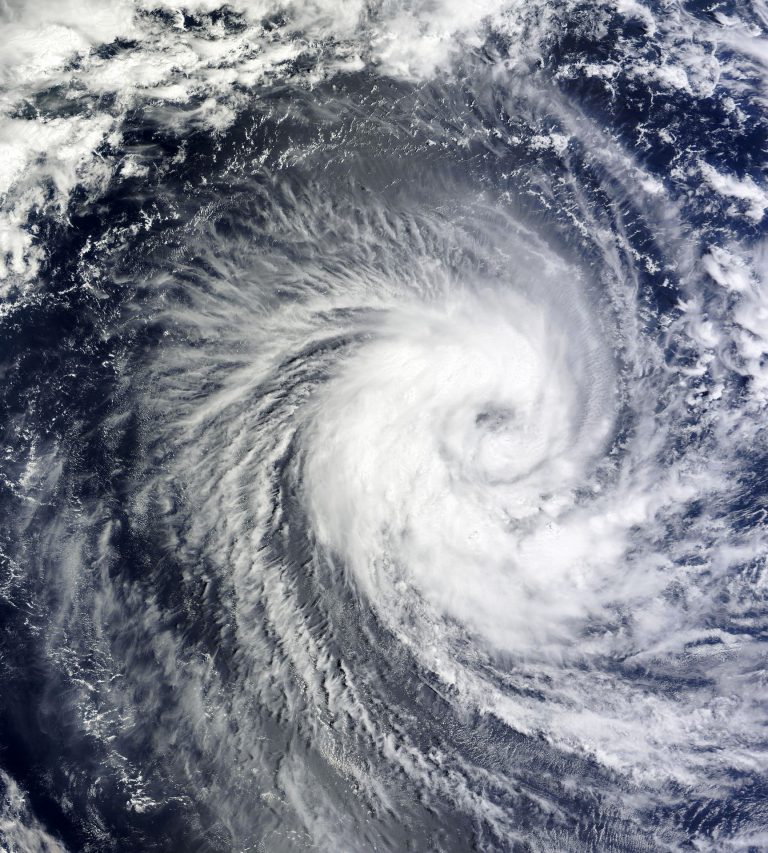
hurricane disaster recovery plan
Image: CC0, by 12019 / 10269 images, via Pixabay

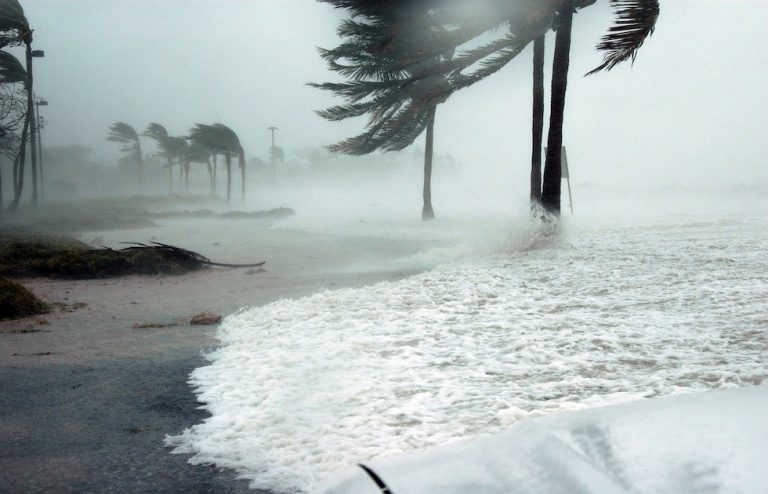
If you live within 100 miles of an ocean, you are at risk for hurricanes or tropical storms. The good thing about hurricanes is that they give you notice. The bad thing about hurricanes is that they can cause billions of dollars in damage. They destroy homes and even after the hurricane subsides, residents are left with lakes of flood water.

The best way to survive a hurricane is to leave. Your city or state might issue evacuation orders, but you don’t want to wait until the hurricane hits to make your plan. Make sure you know the escape routes, and during hurricane season, don’t get caught with an empty gas tank. Top off your tank as often as possible.

To prepare your home for a hurricane:

  • Trim trees so they won’t break windows or fences
  • Secure rain gutters and downspouts
  • Reinforce the roof, all doors, and windows
  • If possible, build a FEMA safe room in your home
  • Have a stock of plywood to secure your windows

Floods

floods disaster preparedness plan
Image: CC 2.0, by David Pfeffer, via Flickr

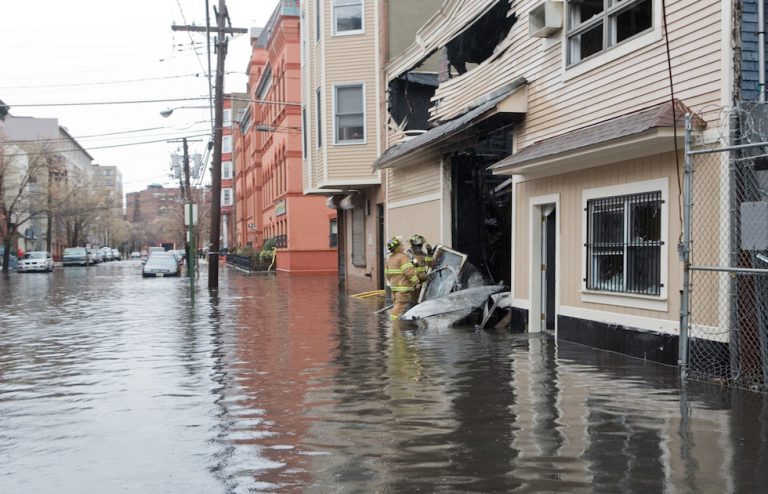
While floods generally occur at lower elevations, they can happen anywhere at any time. Some floods come with a warning while flash floods take everyone by surprise. Floods can follow hurricanes or even earthquakes. They are the most common natural disaster, and while a single earthquake or hurricane can be far more deadly, floods claim more lives most years just because there are more of them.

Floods are very costly. Billions of dollars are spent each year in flood cleanup, and most homeowner’s insurance policies don’t include flood insurance.

Fire

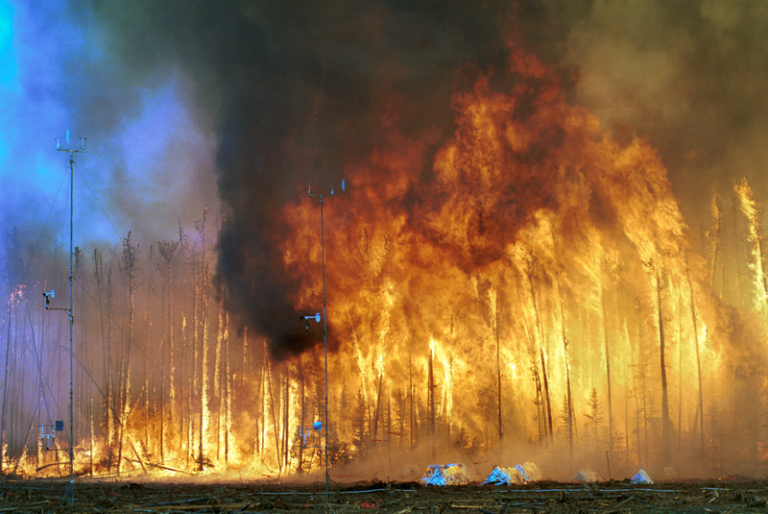
wildfire disaster preparedness plan
Image: Public Domain, by Airman 1st Class Donald C. Knechtel, via U.S. Air Force

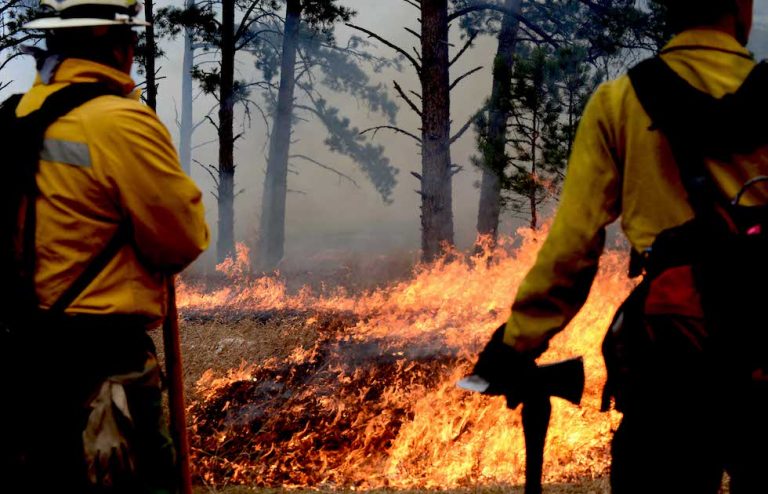
Fires are particularly frightening because they can happen anywhere and often without notice. Most wildfires have few fatalities, but property damage can be catastrophic. Last year’s wildfires in California killed about 40 people and injured 44. They caused billions of dollars in property damage.

When a fire bears down on your home, you have no choice but to evacuate. Practice an evacuation route in advance, especially during dry seasons. Keep your car fueled. If you are close enough to a fire to see embers, hose down your house to help keep it safe.

Tornadoes

tornado disaster preparedness plan
Image: CC 4.0, by Jason Weingart, via Wikipedia

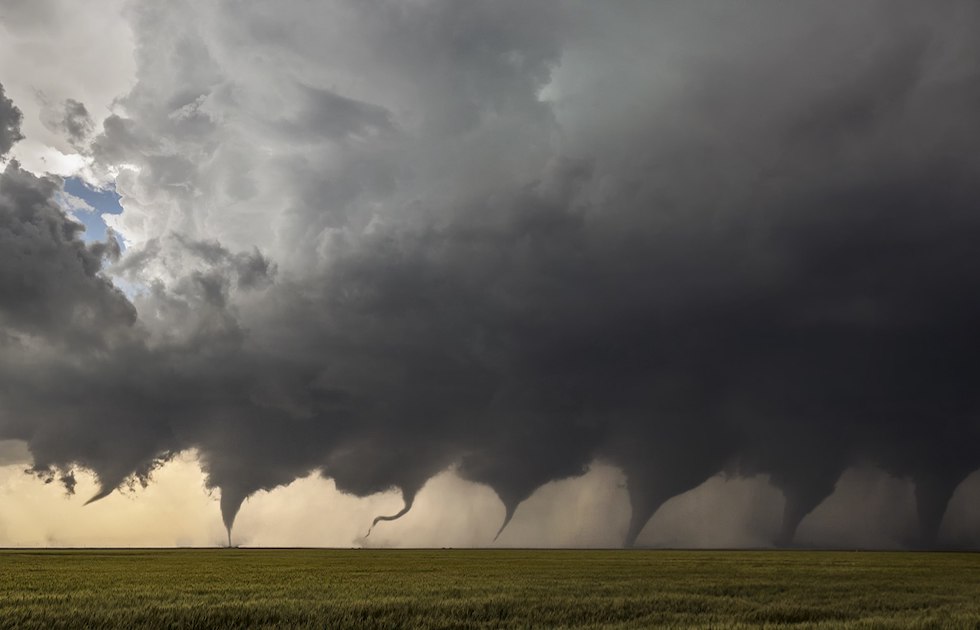
Hollywood loves tornadoes. The dramatic cyclones are riveting, and while a tornado is quick, it can leave a vast amount of wreckage behind. Still, tornadoes are among the least deadly natural disasters. In 2017, there were 35 deaths, and most were in Midwestern and Gulf states. Still, you should always prepare yourself for tornadoes. They can pop up almost without notice, and it’s not uncommon to see more than one in a single day.

It’s tough to prepare your home for a tornado, although homes with foundations fare far better than homes such as mobile homes, which do not. The Federal Emergency Management Agency (FEMA) recommends that people in tornado-prone areas build a safe room. If that’s not possible, find a place with no windows, such as an internal bathroom or a basement. Stay away from all glass and away from all debris. Listen to the radio for updates.

Emergency Preparedness Scenarios

Prepare your family for every emergency preparedness scenario by having drills. Here is how FEMA recommends you prepare for every type of disaster:

Disaster Recovery Plan Sample DocumentIt’s always best to have your disaster recovery plan in writing, so you don’t forget anything. FEMA has several free templates to help you create a plan. Most importantly, FEMA recommends that you determine how family members will receive alerts and warnings, the shelter plan, the evacuation route and a family household/communication plan.
<h2>Disaster Preparedness Resources</h2> 


Disaster Recovery Plan Sample Document

It’s always best to have your disaster recovery plan in writing, so you don’t forget anything. FEMA has several free templates to help you create a plan. Most importantly, FEMA recommends that you determine how family members will receive alerts and warnings, the shelter plan, the evacuation route and a family household/communication plan.

If you run a business, here are several disaster recovery plan sample documents to help you get back up and running with little downtime.

Disaster Preparedness Resources

The U.S. Department of Energy has a comprehensive list of resources for all types of disasters, from natural to terrorism. They recommend the following to keep you and your family safe under all circumstances.

Here is a list of PDFs available for you throught the US Department of Energy:

  • Disaster_Supplies_Kit.pdf
  • FEMA_Red-Cross_Emergency_Preparedness_Checklist.pdf
  • FEMA-Red-Cross_Family_Disaster_Plan.pdf
  • Winter_Safety.pdf
  • NOVA-Home_Guide_to_Emergency_Preparedness.pdf
  • Red-Cross_Terrorism-Preparing_for_the_Unexpected_0.pdf
  • FEMA-Good_Ideas_Book_0.pdf

For most people, a disaster preparedness plan is the last thing they want to think about, but it could save lives.


Featured Image: Public Domain, by Airman 1st Class Donald C. Knechtel, via U.S. Air Force

Be Prepared: Have a Disaster Preparedness Checklist

You never know when disaster will strike. But you can be ready. A disaster preparedness checklist can help keep you organized so that when trouble strikes, you won’t have to think twice. You’ll know exactly what to do.

How to Assemble a Disaster Preparedness Checklist

Things are calm, now. You have time to think. Take this time to think about what you will need most in the event of an emergency. Make a list. Go over it with everyone in your household. Your disaster preparedness checklist needs to cover all the members of your household. That includes adults, children, and pets.

Disaster Preparedness Checklist Item #1: Stay or Go?

Your first decision — and the first item on your checklist — should be knowing whether you should escape your house or shelter in place. You should have plans for both contingencies.

Make this plan together. If your family members have a part in making the plan, they will remember it better. And practice regularly, so that if the time ever comes, your response will be automatic.

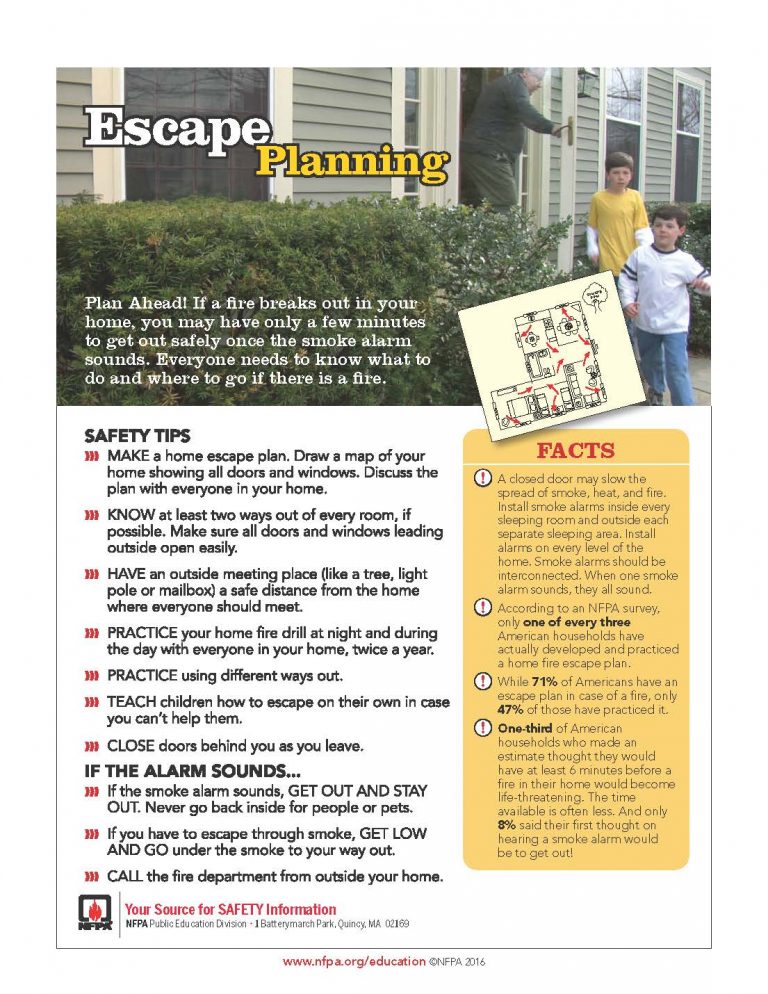
Escape Plan

Add Escape Plan to your disaster preparedness checklist.
Image: CC0 Public Domain, by NFPA, via Joint Base San Antonio.

In the event of an earthquake, fire, or flood, you may have to flee your home. The members of your household will have a greater chance of doing this successfully if you have a plan.

First, know your exits. Know several different ways to get out of your house, including from the top floors and the basement, if possible. Next, agree on a meeting place outside the house. Make sure everyone knows where that is. Your family should also have a signal that tells everyone that it’s time to leave the house now.

If your plan includes relocating to a municipal shelter, know the nearby shelter locations, and have a plan for getting there. The Red Cross has an interactive map at its website to help you locate a shelter near you.

Make sure everyone knows the plan and practice it regularly.

Shelter Plan

In other situations, such as a tornado or civil unrest, your family will need to shelter in place. So you will need a place to shelter. Ideally, this place will be secure. It will have a heavy, locking door. It should also be physically sound and not likely to collapse. In addition, it should have adequate ventilation. It should also have a place for supplies, such as water and non-perishable food, in case you have to stay a while.

Store non-perishable food and non-prescription drugs in your shelter.
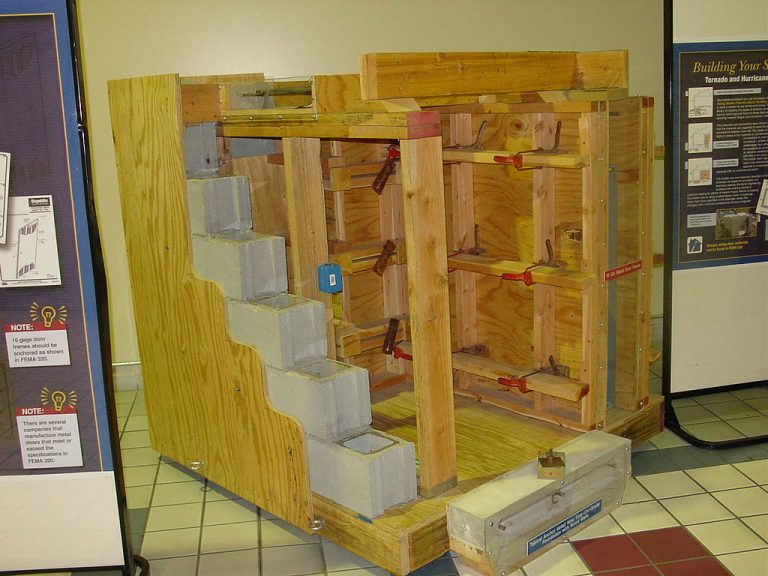
Image: CC0 Public Domain, by Kent Baxter for FEMA, via Wikimedia Commons.

Many houses in the midwestern United States have storm cellars. Additionally, some people build fortified panic rooms in their homes. If your house has a basement, you can convert it into a shelter as well. The FEMA website has information about safe rooms and shelters, including specifications, how to build one, and even how to apply for funding to help pay the building costs. When constructing your Disaster Preparedness Checklist, make sure you take any such structure into account.

Here are some different kinds of shelters you might consider, depending on where you live:

  • Tornado or Hurricane Shelter
  • Safe Room / Panic Room
  • Flood Shelter

Signals

Your family should have a series of signals that everyone will hear and understand immediately. A whistle or air horn works well. Make sure everyone has one in their personal disaster kit. Make sure all members of your household know the signals and can produce them. Some signals you might include are:

  • Get out of the house and to the meeting point
  • I am in danger
  • All clear

Disaster Preparedness Checklist Item #2: Vulnerable Family Members

Add sanitary supply and ways to help vulnerable family members in your Disaster Preparedness Checklist
Image: CC by A-SA 4.0 International, by Hawkeye7, via Wikimedia Commons

In the event of a disaster, some family members will be able to get themselves to safety unassisted. Others will need help. If one of your household members has a physical or mental limitation, how can you help them get to safety and who will do that? If there is an infant, who will take them? What about the dog or cat? You need to have a plan that covers the following questions:

  • Which family members will need help?
  • What are their specific needs?
  • Who will be responsible for making sure that each vulnerable family member is safe and accounted for?

Disaster Preparedness Checklist Item #3: Kits, Supplies, and Survival Tools

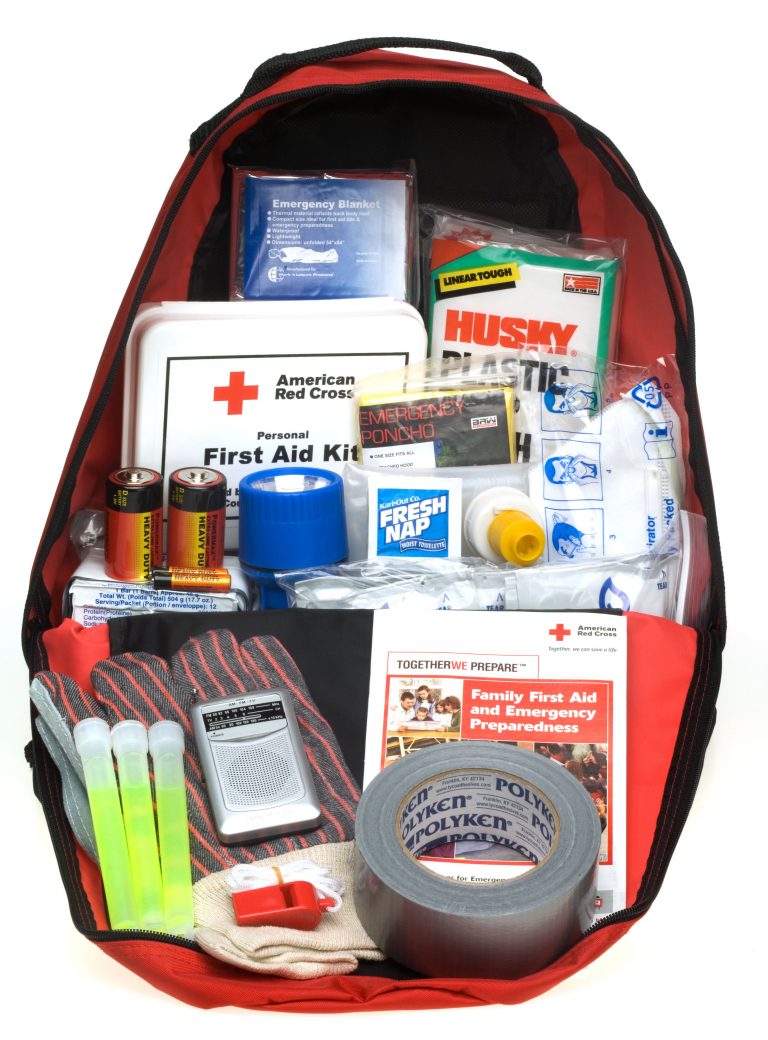
Image: CC0 Public Domain, by FEMA Photo Library, via Wikimedia Commons

Ideally, you will have more than one disaster preparedness kit. You will have one in your shelter area for the group, and every group member should have their own kit close to hand in case disaster strikes at night. These kits will contain some of the same things, and some things that are different. Check out the Red Cross website for more information about putting together a disaster preparedness kit.

Personal Disaster Preparedness Kit

People who grow up in earthquake-prone areas are familiar with the under-the-bed earthquake kit. A general personal disaster kit will contain the same sorts of things to help every family member to get themselves to safety in the event of a disaster. This kit should be kept under the bed, or somewhere else where you can get to it easily in the middle of the night. These kits should include:

  • Your signaling device: a whistle, air horn, etc.
  • A flashlight.
  • Your phone and a charger. You might consider a solar charger, in case the electricity fails.
  • Shoes and socks, in case you have to walk over broken glass.
  • Any medications you may need.
  • An extra pair of glasses or contact lenses if you wear them.
  • A spare hearing aid and batteries if you use one.
  • Sanitary supply items, like tampons, if you use them.
  • A bottle of water. Also consider a Lifestraw or other personal water purifier.
  • A small non-perishable food item, like an energy bar.
  • A small amount of cash.
  • A utility knife.
  • If you have an infant, an infant “go bag” is a good idea. It should contain diapers, wipes, formula, water, a blanket, and anything else your infant needs.

After making your disaster preparedness checklist, keep these things close at hand. In addition, keep them organized, in a bag or backpack that you can grab and go.

Family Disaster Preparedness Kit

Make sure you have the right survival tools in your Disaster Preparedness Checklist
Image: CC0 Public Domain, by Senior Airman Omari Bernard, via Kadena Air Base, Japan.

In addition to a personal go bag, you should have a family disaster preparedness kit. Important documents, communications equipment, and medical supplies should be kept together in a centralized place. If disaster strikes, you don’t want to trust that your four-year-old can find his birth certificate, or that your eight-year-old knows where the walkie-talkies are.

Communications Equipment

A good family disaster preparedness checklist will lead to a kit that should include multiple means of communication. Everyone will, hopefully, have their personal phones. However, if cell phone service is out, walkie-talkies can help you to communicate with each other and with the outside world. A battery operated or crank powered radio can also help you to keep abreast of what’s happening.

Make a communications plan — not just with your household members, but also with people outside of your immediate area. Keep a list of important phone numbers and email addresses. In the event of a disaster, it’s important to stay in touch with the outside world.

Money and Documents

Your Disaster Preparedness Checklist should include important documents.
Image: Attribution 2.0 Generic (CC BY 2.0), by Damien Bariexca, via Flickr.

In the event of a disaster, it’s important to have cash on hand in small denominations. If the electricity fails, credit cards and ATMs will fail as well. Some sources recommend a minimum of $100 to $150 per person.

You should also have important documents secured safely and together. These may include passports, birth certificates, marriage, divorce papers, immigration documents, social security cards, bank account information, pet microchip numbers, and more. Consider making photocopies of important cards in your wallet: drivers license, credit cards, immigration cards, and so on.

Water and non-perishable food

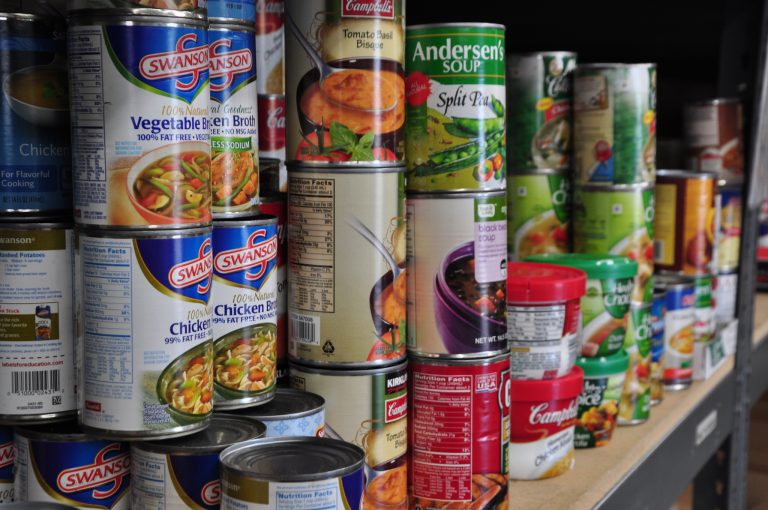
Keep some non-perishable food items on hand. Items such as canned food and energy bars work well. Also, make sure that you have water. Many sources recommend one gallon of drinking water per person per day.

Stock up on non-perishable food in case of disaster.
Image: Attribution 2.0 Generic (CC BY 2.0), by Salvation Army USA West, via Flickr.

Non-prescription drugs

In addition to any prescribed medication, you should have a first aid kit. Your first aid kit should include non-prescription drugs like pain relievers (aspirin, ibuprofen, acetaminophen), antihistamine pills and creams, and antibiotic salves. In addition, a first aid kit should contain medical tape, gauze bandages, bandages, disposable gloves, scissors, tweezers, and other essential items.

Sanitary supply items

Sanitary supply items like tampons and sanitary pads are essential for people who use them. However, even if you don’t regularly use these products, you should have them in your disaster kit. Why? Because tampons and sanitary pads are valuable, multi-purpose survival tools. They are sterile and can be used as bandages, to stop a bloody nose, to start a fire, and even to filter (but not purify) water. You can read more about survival uses of sanitary supply items at The Art of Manliness.

Pet supplies

Pets are family members. Plan for their needs as well. Your family disaster preparedness kit should contain pet food, water, and any medications your pet may need.

Survival tools

Image is CC0, by StephenPB, via Pixabay..

Here are a few essential tools you should always have in your kit.

Gas turn-off lever. In the event of an earthquake or natural disaster, being able to turn off your home’s gas will prevent an explosion. (You might also consider installing an automatic gas shutoff valve if you live in an earthquake zone.)

Multi-tool. A good, well-made multi-tool that contains a knife, pliers, and other tools will serve you well.

Fire Starters. Sometimes you won’t have matches or a lighter. Time for some homemade fire starters. These are easy, cheap, and fun to put together. It can also be a fun, and educational family activity. Check out a few homemade fire starters here.

Keeping It All Together: Disaster Preparedness Checklist

To survive a disaster, you need a plan. That plan needs to cover all of the members of your household. Everyone needs to understand the plan, and everyone needs to practice. A checklist can help you stay organized. And staying organized can help you stay in control.

For more information about disaster preparedness, check out the U.S. government resources at Ready.gov.


Featured Image: CC BY 2.0, by Global X, via Flickr.

Financial Emergency Preparedness: Plan for Recovery Before the Disaster

When is the time to consider a financial emergency preparedness plan? When disaster strikes, your immediate concern is for the safety of your family. Money is the last thing on your mind if a wildfire or hurricane is heading your way. After the danger passes you will put the pieces of your life back together. That’s when a financial emergency preparedness plan becomes priceless.

Natural disasters often come with unexpected expenses, as it is hard to budget in a tornado next week. You’ll need to stock up on supplies at the very least, not to mention money to evacuate to safer ground. Then once you’re safe, you may need to replace necessities like clothing, hygiene items, and other personal belongings. Without a financial emergency preparedness plan in place, you could find yourself far from home, and without the cash you need to get back. Or even just to get by.

Once you get the all clear to return home, will you then be prepared to put your life, and home, back together? You’ll need ready access to your bank accounts and important papers. And don’t forget the phone call you’ll need to make to your insurance company; they’ll have a lot of questions you need to answer. After a traumatic experience, you’ll want the recovery process to be as smooth and comfortable as possible.

To answer the first question posed, the time to create that plan is now. You don’t want to end up like the family in this hilarious PSA from FEMA:

So, let’s take a look at what you’ll need in the case of a natural disaster or another emergency. By planning ahead, you’ll be able to ease back into normalcy so much faster. We’ll walk you through setting up your financial emergency preparedness plan, step by step, for that extra sense of security.

Critical Items for Your Financial Emergency Preparedness Plan

The first step in devising a preparedness plan is taking stock of the items you already have and organizing them for a quick bug-out. Find an easy to access place accessible to any member of the family in case you need to evacuate in a hurry.

Gather financial documents

Put together all your necessary personal financial information, such as your home or renter’s insurance, banking information, passports, and vehicle titles. Purchase a waterproof envelope or other container and keep these items stored where you can find them quickly as you need to head out the door.

Find identification papers

Although you can replace them, it’s inconvenient to lose documents like birth and marriage certificates. Keep these, and similar documents like social security cards, immunization records, and medical records with your financial information and take them with you. Should any disaster destroy your dwelling, this step can save you a lot of time and trouble in the aftermath.

For items that you usually carry, such as ID cards, driver’s licenses, and social security cards, make copies of these to store with your financial information and other records. Be sure you have copies of ID for all members of the household, including pets.

Passport and personal financial information should be in your emergency plan
Image: CC0, by cytis, via Pixabay

Cash and valuables

Put aside the amount of money that you’ll need for three to five days in case you need to evacuate. The amount will depend on how much cash you feel comfortable holding, the size of your family, and your needs. Keep this money in the waterproof container along with your papers. It’s sometimes hard to do this as a lump sum, so consider adding a $20 to your disaster “piggy bank” every pay period to build it up slowly.

You may also want to make sure you have a container for valuables to take during an evacuation. These include bearer bonds, family jewelry, or other small, irreplaceable items. Add a spare set of car keys for each of your vehicles, as well.

Cash roll for Financial Emergency Preparedness
Image: CC0, by pasja1000, via Pixabay

Evaluate Your Current Emergency Recovery Systems

The second step for a financial emergency preparedness during a disaster is evaluating the systems you already have in place. Sure, you have home insurance, but when was the last time you examined the policy to make sure it met your current needs?

Property insurance

Evaluate your homeowner’s or renter’s insurance before disaster strikes. If you don’t have one of these plans, speak to your broker to put one in place. Should a natural disaster hit your home, you’ll need coverage to restore it to livable conditions. Most mortgage companies require you to keep an active homeowner’s plan during the life of the loan but make sure that it’s up to date. If your home has appreciated considerably since purchasing the policy, you may need to upgrade.

If you already have a policy, check the terms to ensure that it covers any likely calamities. For example, although your mortgage lender doesn’t always require flood insurance, if your home floods without coverage, you’ll be left to pay the cost of repairs out of your own wallet.

What is natural disaster insurance?

Although standard homeowner’s insurance covers many natural disasters, such as wind from tornadoes or damage from forest fires, it doesn’t cover all incidents. For example, if a hurricane damages your house, it’s probably covered by your policy.

However, if the hurricane causes flooding from a storm surge, your policy probably won’t cover the damage. Natural disaster insurance is additional coverage in case of uncovered natural events. These plans provide flood coverage for properties on lakes, rivers, or oceans. They can also cover damage from earth movement, such as earthquakes or sinkholes. You can even purchase a policy for active volcano coverage. If you live in an area subject to these hazards, talk to your agent about natural disaster insurance in addition to your homeowner’s plan.

What is the National Flood Insurance Program?

The National Flood Insurance Program (NFIP) is a federally managed resource for homeowners created and administered by the Federal Emergency Manage Agency (FEMA). Flood insurance is expensive, and with climate change causing an increase in major storms and flooding, the cost can often price families right out of their homes. At the very least, the high cost can mean they have no resources should they lose their home to a flood.

Participating communities can take part in the NFIP by agreeing to adopt floodplain management ordinances. These ordinances work to prevent flood damage in the future. In exchange, the NFIP provides lower-cost, government-backed flood insurance. As well as being less expensive than other flood insurance programs, it also means families don’t have to wait for disaster assistance to get their homes repaired after a flood. FEMA provides this insurance in high and moderate-to-low risk areas. Most importantly, it also helps homeowners meet the requirements of their mortgage lender, which may require extra coverage if they live in a flood zone.

If you think you may live in a flood zone, you can verify your suspicions at the FEMA Flood Map Service Center. Just enter your address to find the appropriate map. Insurance agents write NFIP policies across the country, so contact your agent for coverage.

Create an emergency fund savings account

Having an emergency fund is always a good way to meet the future and anything that it brings. Along with a small stash of cash to take on the road, start saving an emergency fund earmarked just for unhappy surprises. Like your cash reserve, the amount needed will depend on your financial means, the size of your family, and your needs. However, most experts suggest saving as much as six months of income.

Should a disaster put you out of work, you’ll have something to fall back on during the recovery period. It can also help cover deductibles for home repairs or the cost of relocation. Remember to replace any spent funds at the first opportunity, so your emergency fund savings account is always ready for anything.

Document Your Vital Information

The next step in your financial emergency preparedness plan is to document all the vital details of your life. Although we usually hesitate to imagine the worst, it helps to have all the details handy should the worst ever happen.

Use the EFFAK download package

FEMA provides a comprehensive downloadable packet so you can document your life’s details. It includes everything from contact information for your financial institutions to your children’s names and the schools they attend. By downloading and completing the Emergency Financial First Aid Kit (EFFAK) provided, you’ll have all the necessary information close to hand, whether you’re a victim of identity theft or have a missing family pet.

The EFFAK breaks down the types of information and documentation you’ll need by four areas:

  • Household information and identification
  • Legal and financial documents
  • Medical records
  • Contact information

The packet walks you through the steps you need to take to make sure you have a complete plan in place.

Document your property and assets

Along with all the vital information about your family, make sure you create a home inventory of your possessions should you need to file a claim after a disaster.

One way to get started on your inventory is by recording a video as you walk through your home. This video can serve as proof of ownership and the condition of the contents of your home. As you record, describe the items you’re documenting. Don’t forget to record a tour of your attic, basement, garage, and any outbuildings you have.

To back up your video, take photos of items you’d need to replace, including appliances and furniture. If possible, include pictures of any manufacturer’s label or serial numbers on your belongings.

Do you own collectibles, artwork, or other high-end items of value? Make sure to photograph these as well, along with any receipts or certificates of authenticity. If you haven’t had them appraised, you might want to take care of that as part of your financial emergency preparedness plan. Make sure your homeowner’s insurance covers such items, or talk to your agent about adding a rider for these high-value items.

If you’re not sure exactly how to get started, try downloading one of these free home inventory apps.

  • Home Manage
  • Collectify Home Inventory

Once you have your home inventory prepared, store a copy in your personal financial information envelope. It might also be a good idea to keep one copy on your smartphone and another filed with your insurance agent.

Plan for Recovery Before the Disaster

Although we always hope for the best when an emergency occurs, sometimes nature throws us a curveball. Natural disasters cause fear and panic, and it’s not surprising that many people fail to think of all the little details in the middle of the chaos. That’s why it’s so important to plan ahead by creating a financial emergency preparedness plan with everything you need to get back to normal as soon as possible.

Take the time to put together an escape plan along with the documents and cash you need in case of emergency. Use these financial emergency preparedness tools to create a comprehensive plan that covers every contingency. And if you’ve found other great tools, like the EFFAK or home inventory apps, please share them in the comments below. We’d love to hear how others stay prepared in case of disaster.


Featured Image: CC0, by 12019, via Pixabay

What to Do in Case of Tsunami Before, During, and After

Tsunamis are devastating phenomena that have the potential to ravage any coastline. The phenomenon also referred to as a seismic sea wave typically occurs as a series of large waves resulting from a disturbance emanating from beneath the ocean. The disturbance could occur due to an earthquake, meteorite, volcanic eruption, or landslide. Often, if a major earthquake or landslide happens close to the shore, the initial wave gets to the beach in minutes. Further, a tsunami can take hours to subside.

In most cases, tsunamis come onshore in the form of rapidly rising gushes of water filled with debris. While it is true that not all tsunamis cause damage to coastlines, it is important to note that all tsunamis have the potential cause danger. Frequently, the main cause of fatalities associated with tsunamis is drowning. Other forms of danger include risks associated with flooding, fire from ruptured gas lines, or contamination of drinking water. This article delves into knowledge on what to do in case of tsunami.

Before the Tsunami

Learning About the Risk of Tsunamis in an Area

tsunami risk map

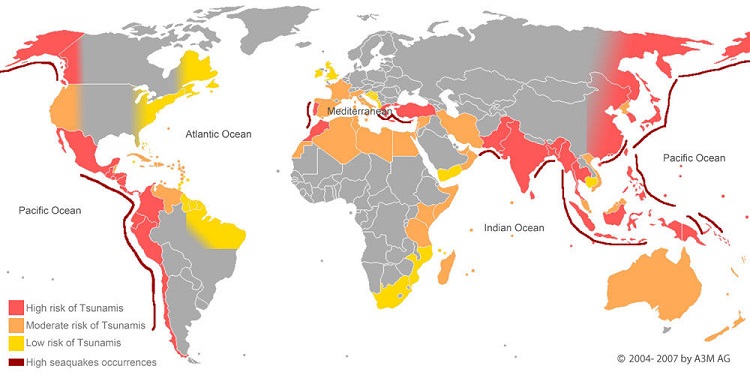
It is crucial to contact the local emergency agency or Red Cross in a specific area to identify the regions that are most susceptible to tsunamis. Essentially, one should ascertain the vulnerable motels, workplaces, hotels, schools, campsites, or homes. Additionally, it is crucial to find out the height above sea level of the street one is located, and the approximate distance from the coast, to stay prepared for any eventuality.

Learning the Signs and Paying Attention to Warnings

While communication lines may offer a lifeline to save lives during emergencies, telephone lines tend to become overloaded during tsunamis. Further, evacuation routes may become overcrowded and one may not know what to do in case of tsunami. Consequently, it is critical to understand the warning systems, as well as disaster plans in place during an evacuation.

The first and most important warning sign is shaking or tremors caused by an earthquake. After shaking, it typically takes minutes before a tsunami arrives. Waiting for an official warning is oftentimes risky. Subsequently, it is crucial to access higher ground and to stay alert to warnings from the local radio or television.

Tsunami warnings are issued when tsunamis have the potential to cause widespread damage. The warnings are issued to alert emergency agencies to evacuate low-lying coastal regions and usually follow seismic related information. Following such warnings, some of the beaches may be closed and ships may be repositioned in deep waters. It is critical to pay attention to local radio channels to be up-to-date on any warnings. In tourist areas, some beaches may have sirens and such signs serve as warnings to evacuate.

Developing an Evacuation Plan

Being prepared is part of the safety when dealing with tsunamis. Planning an evacuation route from one’s location to a safe location ahead of time is advisable. Ideally, one should plan to escape two miles inland or to an area located 100 feet above sea level. Further, the safe area should take one at least fifteen minutes to arrive on foot; because in some cases, traveling by car can be impossible.

In addition, familiarity saves lives; practicing to get the safe location through the chosen evacuation route both day and night can make it easier to react quickly in case of emergencies. Also, it is vital to communicate with every member of the household on the possible actions to take if a tsunami occurs. Also, one of the crucial tools to use when preparing for what to do in case of tsunami is an emergency kit for both family members and pets.

During a Tsunami

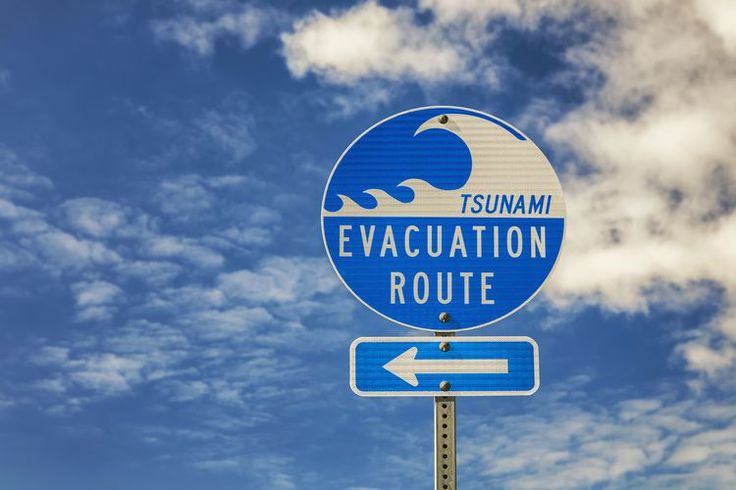
tsunami evacuation route sign

Taking Cover

As previously mentioned, earthquakes may be among the first warning signs of a tsunami. During an earthquake, the first action should be to drop and take cover. Next, it is advisable to hold on to a firmly rooted object. After the shaking subsides, the members of the household should be ready to evacuate at a moment’s notice because the tsunami may take minutes to get to the shoreline. Research shows that it is not wise to approach the shore to watch the tsunami. Typically, if one can see the tsunami waves, it could probably be too late to make an escape.

Listen to Authorities

It is imperative to follow instructions that may have been issued by the local emergency agencies and official weather radio such as the National Oceanic and Atmospheric Administration. In some cases, evacuation routes change or one may be advised to go to higher ground than expected. Local officials also give information on when it is safe to move around. It is perilous to drive anywhere before rescue officials give the go ahead.

Staying Away From Hazards

It is highly likely that one could encounter various hazards and wonder what to do in case of tsunami. For example, some power lines may have fallen and pose high risks. Also, some buildings or bridges may be weakened; which is yet another form of danger. The cold water may also present health risks such as hypothermia or even result in drowning incidents caused by running water.

It is only logical to stay away from water and keep warm. Also, tsunamis occur in waves; it is possible that the subsequent waves may be more dangerous than the initial waves. Therefore, assuming that the danger is over can expose one to further risks.

After the Tsunami

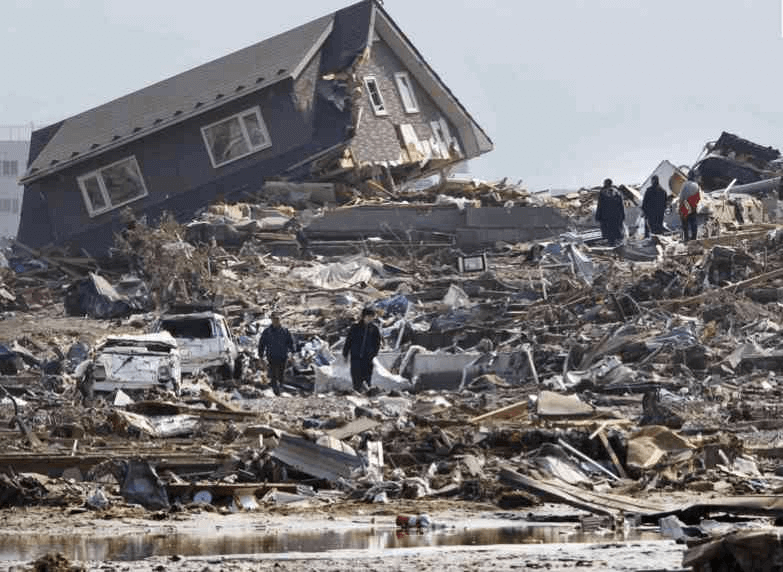
House devastated by a tsunami

Stay Alert to News

It is recommended that one continues listening to the radio or other reliable sources of information for news on the tsunami. Such information is crucial because it gives an idea about the roads, bridges, or places that may be unsafe. Residual effects such as mudflows, contaminated water, and landslides present danger. Avoiding disaster areas is not only safer, but it is also important because it prevents people from interfering with rescue efforts.

Offer Help Where Needed

Following a tsunami, one should be helpful to other victims who may be hurt. Essentially, it is advisable to provide first aid if one has the skills, and also call for help from emergency responders. The elderly, infants, disabled, or those without means of transport may need help in such situations. Also, paying attention to how others are handling stress is vital because they may need moral support.

Re-Entering Buildings

Tsunamis cause damage to areas least expected. Observing caution when re-entering buildings is vital. Injuries on the feet arising from sharp objects are a common occurrence. Therefore, sturdy shoes are a must-have after a tsunami. When examining buildings, it is preferable to use battery powered lanterns as they are sage. Battery powered lanterns are void of fire hazards or electric shocks.

Gas leaks can also be detected by listening to hissing noises. Further, electrical systems can be turned off from the main fuse box until the entire system is fully dry. Other dangers may lurk due to animals such as poisonous snakes. Flood waters from tsunamis tend to displace animals from their habitats and such animals may end up in homes.

The Bottom Line

In conclusion, getting through a tsunami is all about preparedness. Having accurate information can be beneficial for people wondering what to do in case of tsunami.

Before a tsunami, having comprehensive information is an important step in saving lives. During a tsunami, fast reaction times and having the essential tools is also critical. After the tsunami, it is vital to offer help where it is needed and to also to observe caution when re-entering buildings. Evidently, it is possible to mitigate the possible damage or loss of lives following a tsunami.

Image Source: 1, 2, 3

  • « Previous Page
  • 1
  • 2
  • 3
  • 4
  • …
  • 7
  • Next Page »

5 Safety Tips You Need To Know If You Live Near A Nuclear Power Plant

image source: pixabay.com When purchasing a home, there a lot of things to consider. What area of the United States do you want to live? Do you want to be in the country or in the city? Are you going to rent or own, and will it be an apartment or a house? If you […]

Tornado Warning VS Tornado Watch: What You Need To Know

When it comes to severe weather, nothing is as devastating as a tornado when you consider the inch to inch devastation. Tornados often possess stronger winds than hurricanes, and due to the cyclone shape of a tornado, it increases the damage potential. Tornados are also especially dangerous if you are in its path. A single […]

Long Term Water Storage: The Ultimate Guide

While you hope that a calamity like a water shortage or other emergency will never befall in your lifetime, it is always important to be prepared for the worst while hoping for the best. One of the most important aspects of emergency preparedness is ensuring you have a sufficient stockpile of water to get you […]

10 Best Filter Water Bottle Brands To Use During Emergencies

If there is one thing that all hikers and outdoor enthusiasts have in common, it’s that they all agree you should never blindly drink out of a natural water source. That’s because the unfiltered water, although fresh and natural, contains harmful bacteria and waterborne parasites that would likely go undetected by taste alone. With a […]

14 Deadliest Natural Disasters of All Time

What are the deadliest natural disasters of all time by death toll? Which type of deadliest natural disasters has the greatest death count? More importantly, what are some ways the population was affected by those disasters? Were there things that people did to worsen or better the effects of mother nature angrily smashing her surroundings? […]

4 Frostbite Symptoms And How To Treat Them

With the onset of winter comes the risk of getting frostbite. With all of the outdoor recreation that’s available to us in the winter, it is important to learn how to protect ourselves. Knowing the signs of frostbite in the early stages can help you to avoid permanent damage to your skin and underlying tissues. […]

Fire Escape Plan for Your Family: Our Complete Guide

No one ever thinks a tragedy will happen to them. We see events on the news all the time such as accidents, home invasions, and house fires. We rarely plan for these things because we never think that we will be in such a situation. If you do one thing this coming year, whether you have […]

10 Tips for Living Through Power Outages

Most of us don’t think of power outages until we’re searching for flashlights or candles in the dark. Some think the light on their cellphone will be good enough to make it through power outages. That might work if power outages happen only when your phone is already fully charged. But, what about being prepared […]

How To Tell If A Snake Is Poisonous: Your Ultimate Guide

image source: Pixabay Have you ever been startled by a snake in your yard? Snakes are among the most misunderstood and feared animals on the planet, mainly because of the poisonous and potentially deadly bite a snake can inflict on its target. The truth, however, is that most snakes in the United States are non-venomous and […]

Copyright © 2026 ·Outreach Pro · Genesis Framework by StudioPress · WordPress · Log in